
Trump Warns of ‘Bad Things’ if No Deal Reached With Iran
Diplomacy hangs in the balance as Washington and Tehran return to negotiations Warning underscores fragile state of U.S.–Iran relations Nuclear talks clouded by threats of escalation Trump blends pressure and diplomacy in high-stakes standoff Middle East watches closely as talks approach Sanctions and security concerns dominate renewed discussions Uncertainty grows over future of Iran nuclear agreement

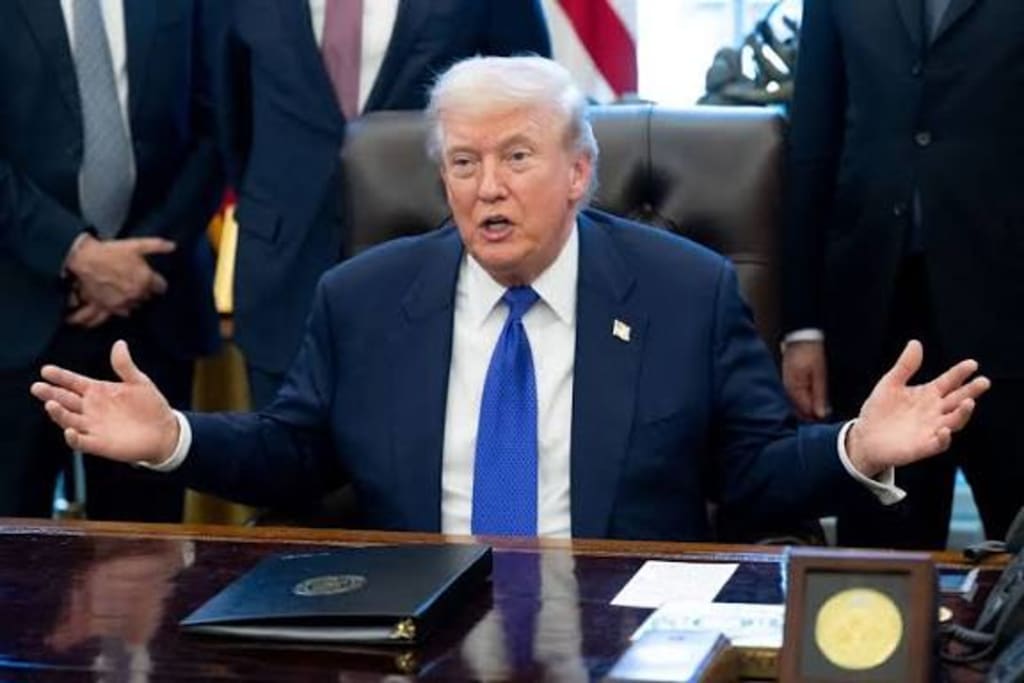
U.S. President Donald Trump issued a stark warning this week that “bad things” could happen if the United States and Iran fail to reach a diplomatic agreement on Tehran’s nuclear program, as high-stakes talks are set to resume in Istanbul later this week. �
Reuters +1
As tensions continue to simmer in the Middle East, Trump’s remarks reflect both the persistence of diplomatic efforts and the shadow of potential escalation — including the implicit threat of military force should negotiations falter. The comments underscore the fragile balance between pressure and diplomacy in Washington’s approach to Iran, a relationship shaped by years of conflict, sanctions, and mistrust.
High-Level Talks Amid Rising Stakes
The United States and Iranian officials are preparing to restart nuclear negotiations in Istanbul, with U.S. Special Envoy Steve Witkoff and Iranian Foreign Minister Abbas Araghchi expected to attend. �
Reuters
Trump has publicly expressed a desire to see an agreement. “If we can work something out, that’d be great,” he told reporters, but added that “probably bad things will happen” if talks fail — an intentionally vague but ominous message. �
The Express Tribune
The discussions, scheduled for Friday, mark a renewed attempt to bridge a diplomatic gap that has widened since the collapse of the 2015 nuclear deal, formally known as the Joint Comprehensive Plan of Action (JCPOA). That pact aimed to curb Iran’s nuclear program in exchange for sanctions relief before the United States withdrew under Trump’s previous presidency. �
The Express Tribune
Trump’s Dual Strategy: Diplomacy and Military Pressure
Trump’s current posture mixes diplomacy with military signaling. Alongside his comments about a potential deal, the White House has ordered a U.S. naval buildup in the region — including aircraft carriers and warships — as leverage against Tehran. �
en.yenisafak.com
“We have big ships heading to Iran right now,” Trump said in a White House briefing, emphasizing both negotiation and deterrence. “We’re talking to them… and if we can make a deal, that would be very good. If we can’t, probably bad things will happen.” �
en.yenisafak.com
This dual approach is intended to push Iran toward concessions on issues that Washington considers core to its national security: limits on uranium enrichment, transparency of nuclear activities, constraints on ballistic missile development, and a reduction of support for regional proxy forces.
Iran’s Response to the Pressure
Iran has offered mixed signals. While its leadership has agreed in principle to pursue diplomatic talks, Tehran has also made clear that it will respond forcefully to any aggression. Supreme Leader Ayatollah Ali Khamenei warned that a U.S. strike could spark a broader regional conflict, a statement reflecting longstanding Iranian doctrine of robust deterrence. �
nypost.com
At the same time, Iranian officials — including President Masoud Pezeshkian — have instructed diplomats to engage in negotiations, provided Tehran’s core interests and sovereignty are protected. �
theguardian.com
This pragmatic shift suggests that Iran may be willing to consider arrangements that curtail certain nuclear activities in exchange for sanctions relief and guarantees against military intervention. Iranian negotiators have reportedly signaled tentative agreement to limit uranium enrichment as part of a “fair and equitable” deal, although Tehran insists on respect for its rights under the Nuclear Non-Proliferation Treaty. �
theguardian.com
Regional and Global Implications
The talks in Istanbul are not just bilateral. Representatives from Saudi Arabia, the United Arab Emirates, Egypt and Qatar are participating as diplomatic intermediaries — a sign that regional powers recognize the danger of uncontrolled escalation. �
Reuters
Middle Eastern governments have repeatedly warned that the region “does not need a U.S.–Iran war,” emphasizing the importance of negotiations and stable security arrangements. �
Reuters
The stakes extend beyond nuclear concerns. Iran’s involvement in proxy conflicts, its ballistic missile program, and its economic isolation due to sanctions all play into the broader dynamic. Momentum toward a deal could reduce tensions and stabilize markets — including oil prices, which recently softened amid speculation about de-escalation. �
Reuters
What “Bad Things” Could Mean
Trump’s reference to “bad things” — deliberately unspecific — has prompted debate among analysts. Some interpret it as shorthand for renewed sanctions, military action, or other forms of heightened pressure. Others view it as a warning that Washington may resort to harsher measures if Iran does not make concessions.
Trump’s rhetoric draws on past approaches; in 2025 he warned Tehran that “very bad things are going to happen” if nuclear negotiations failed and urged engagement with the U.S. on terms acceptable to Washington. �
Anadolu Ajansı
Still, the administration insists diplomacy remains the preferred path. Officials emphasize that ongoing talks represent a chance to avoid conflict and build a framework that satisfies both security concerns and international norms governing nuclear proliferation.
Domestic and International Debate
In Washington, Trump’s stance has drawn reaction from both supporters and critics. Proponents argue that firm pressure is necessary to prevent Iran from acquiring nuclear weapons capability and destabilizing the Middle East. Opponents warn that ambiguous threats could undermine diplomatic credibility and escalate tensions.
European allies have generally backed negotiations while urging restraint. They stress that a negotiated agreement — potentially involving phased sanctions relief coupled with verified limitations on Iran’s nuclear program — remains the best route to long-term stability.
Conclusion
As diplomats prepare to meet in Istanbul this week, Trump’s warning of ‘bad things’ if no deal is reached encapsulates the fragile state of U.S.–Iran relations. The outcome of these talks could determine whether diplomacy prevails or whether the threat of deeper confrontation looms once again.
With regional partners pushing for peace and both sides under pressure to negotiate, the coming days may prove decisive. For now, the world watches as a blend of dialogue and deterrence plays out on one of the most sensitive geopolitical stages of the 21st century.
About the Creator
Fiaz Ahmed
I am Fiaz Ahmed. I am a passionate writer. I love covering trending topics and breaking news. With a sharp eye for what’s happening around the world, and crafts timely and engaging stories that keep readers informed and updated.
Keep reading
More stories from Fiaz Ahmed and writers in The Swamp and other communities.
The Trains Are Late Again, but New Irish Rail CEO Needs Cash for a 21st-Century Infrastructure
Passengers across Ireland are once again facing delays and cancellations on rail services, reinforcing a familiar frustration: the country’s rail network is struggling to meet modern demands. As commuters vent their anger over late trains and overcrowded carriages, the newly appointed chief executive of Irish Rail has warned that without significant new funding, the system cannot be transformed into the reliable, high-capacity network the country urgently needs. The incoming CEO has made it clear that Ireland’s rail problems are not merely operational failures but symptoms of decades of underinvestment in infrastructure, rolling stock, and digital systems. While short-term fixes can reduce disruption, long-term improvement will require billions in public investment. A System Under Pressure Irish Rail carries more passengers today than at any point in its history. Urban growth, climate targets, and rising fuel costs have pushed more people onto trains, particularly in Dublin and other commuter corridors. However, much of the network still relies on infrastructure designed in the mid-20th century. Signal failures, aging tracks, and outdated stations have become routine causes of delays. Maintenance crews are often forced to repair problems reactively rather than prevent them through modernization. The result is a fragile system that struggles when even minor faults occur. Recent service disruptions have highlighted these weaknesses. Commuters reported multi-hour delays caused by equipment breakdowns and staff shortages, sparking renewed public criticism of Irish Rail’s performance. New Leadership, Old Problems The appointment of a new CEO comes at a pivotal moment. The government has committed to ambitious climate and transport goals, including shifting large numbers of journeys from cars to public transport. Rail is central to that strategy, but the network’s current condition makes such a transition difficult. In his first public statements, the new chief executive emphasized that reliability depends on sustained investment, not temporary solutions. “You cannot run a 21st-century railway on 20th-century infrastructure,” he said. “We need modern signaling, electrification, and expanded capacity if we want to meet passenger demand and climate targets.” He also acknowledged public frustration but stressed that change cannot happen overnight. Funding Gaps and Political Reality Irish Rail receives substantial state funding, but much of it goes toward operating costs rather than large-scale capital upgrades. Projects such as electrification of regional lines, digital signaling, and station redevelopment require long-term financial commitments. The company has proposed a multi-year investment plan that would modernize tracks, improve safety systems, and purchase new trains. However, securing that funding means competing with hospitals, housing, and education for limited public resources. Government officials have expressed support in principle but remain cautious about costs. With inflation and rising debt pressures, major transport spending faces political scrutiny. Some critics argue that Irish Rail should improve efficiency before seeking more money. Passenger advocacy groups say accountability must go hand in hand with investment. Climate and Economic Stakes The debate is not only about convenience but also about climate policy. Transport is one of Ireland’s largest sources of carbon emissions. Without a reliable rail system, persuading people to abandon private cars will be difficult. Economists warn that continued underperformance could harm productivity. Delayed trains affect workers, students, and businesses, reducing confidence in public transport and discouraging investment outside major cities. A modern rail network could support regional development by linking smaller towns more effectively to Dublin and other urban centers. This would ease housing pressure in the capital and create more balanced economic growth. International Comparisons Ireland’s rail challenges are not unique, but comparisons with European neighbors highlight how far behind it has fallen. Countries such as Spain and the Netherlands have invested heavily in high-speed lines, smart signaling, and station upgrades. These investments have produced more punctual services and higher passenger satisfaction. Transport experts argue Ireland must follow a similar path or risk permanent lagging performance. “The lesson from Europe is simple,” said one transport analyst. “Spend now, or pay later through congestion, pollution, and lost productivity.” Trust and Transparency Public trust in Irish Rail has eroded due to repeated disruptions and perceived poor communication. The new CEO has pledged to improve transparency, including real-time updates and clearer explanations when delays occur. He has also promised stronger engagement with unions and staff to address recruitment and retention issues, which have contributed to service gaps. Rebuilding confidence will be as important as rebuilding tracks. What Comes Next In the coming months, the government will decide whether to back Irish Rail’s long-term funding proposals. The outcome will shape the country’s transport future for decades. If investment is approved, passengers could see gradual improvements in punctuality, capacity, and comfort. If funding falls short, delays are likely to continue, and public frustration will deepen. Conclusion The latest wave of late trains underscores a difficult truth: Ireland’s rail system is trying to meet modern expectations with outdated tools. The new Irish Rail CEO faces a tough challenge—restore reliability while convincing politicians and taxpayers that large-scale investment is unavoidable. For commuters, patience is wearing thin. For policymakers, the choice is stark: invest now in a 21st-century railway or accept a future of chronic disruption. The next budget decisions may determine whether Ireland’s rail network becomes a symbol of national progress or a reminder of missed opportunity.
By Fiaz Ahmed about 11 hours ago in The Swamp
Dubai to Launch World’s First Street Made of Gold
Dubai, the gleaming metropolis known for its extravagant developments and record‑breaking architectural feats, is adding yet another world first to its trophy list: a street constructed using gold. This futuristic concept is set to become a defining feature of the newly inaugurated Dubai Gold District—a purpose‑built hub for the gold and jewellery trade.
By Salaar Jamalia day ago in The Swamp




Comments
There are no comments for this story
Be the first to respond and start the conversation.