
Petrol Prices Likely to Rise in Pakistan for February 2026
As energy costs and global oil markets shift, Pakistan braces for another round of fuel price adjustments that could impact everyday transportation costs and inflation.

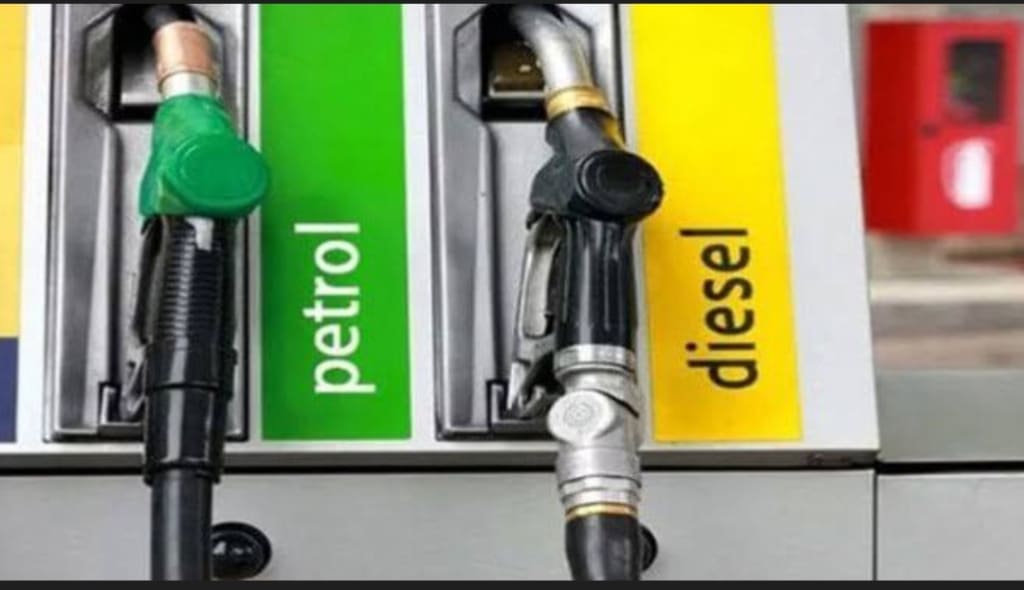
As Pakistan approaches February 2026, news has emerged from Islamabad that petrol prices could see upward adjustments in the country’s fortnightly fuel price review, reflecting a complex mix of global crude movements, regulatory decisions, and economic pressures. While some reports suggest a slight reduction in petrol rates, the broader context points to an overall rise in petroleum product costs — a development that could have far‑reaching effects on consumers, businesses, and inflation.
Petrol — the fuel used by millions of Pakistanis for daily commuting, public transport, and commercial vehicles — is central to the nation’s mobility and cost of living. Any revision in its rates is closely watched by households, transporters, and policymakers alike, because even small changes can ripple through the broader economy, affecting the price of goods, transportation services, and overall inflation.
---
Forecasted Changes in Petrol Prices
According to initial working papers prepared by the Oil & Gas Regulatory Authority (OGRA) and submitted to the Petroleum Division, petrol prices may face upward pressure as Pakistan revisits fuel price adjustments for the period beginning 1 February 2026. These adjustments come after the government kept petrol and diesel prices largely unchanged in the last fortnightly review in mid‑January.
However, reports present a nuanced picture:
Some market sources suggest that petrol prices may be marginally reduced by around 36 paisa per litre in the new pricing cycle.
In contrast, other petroleum products such as high‑speed diesel (HSD), kerosene oil, and light diesel oil (LDO) are expected to experience significant price hikes — with diesel potentially going up by around Rs9.47 per litre, kerosene by roughly Rs3.69 per litre, and LDO by about Rs6.95 per litre.
While petrol itself might see a slight decrease in ex‑depot pricing, the wider pattern of rising energy costs means that motorists and transporters could still end up paying more overall when taxes, levies, and distribution margins are fully accounted for at the pump.
---
What Drives the Price Adjustments?
Several key factors influence the periodic review of petrol and other petroleum product prices in Pakistan:
1. Global Oil Market Fluctuations
International crude oil prices remain volatile, with OPEC+ decisions to manage output and global demand dynamics keeping benchmarks like Brent crude in flux. Even modest increases in global oil prices can translate into higher import costs for Pakistan, pushing domestic fuel prices upward.
2. Exchange Rate Movements
The value of the Pakistani rupee against the U.S. dollar directly affects import costs for crude oil and refined petroleum. If the rupee weakens, Pakistan must pay more in local currency terms for the same amount of imported fuel, increasing the likelihood of domestic price hikes.
3. Government Levies and Taxes
A significant portion of retail petrol prices in Pakistan consists of government petroleum development levies (PDL), sales taxes, and other duties. Even if the ex‑depot price (the price before taxes) rises only slightly, total pump prices can climb sharply once taxes are included. The federal government retains authority to adjust these levies in consultation with OGRA and the Prime Minister’s office before finalizing prices.
4. Domestic Supply and Demand Conditions
Pakistan depends heavily on imported crude and refined petroleum products. Any disruption in supply chains — due to geopolitical tensions, shipping delays, or refinery constraints — can tighten domestic availability and push prices upward. Conversely, stable supply would help temper price hikes.
---
Shift in Other Fuel Prices
While petrol is central to daily transport needs, rises in the prices of diesel, kerosene, and light diesel oil can also impact broader segments of the economy:
High‑Speed Diesel (HSD) is widely used in trucks, buses, agricultural machinery, and trains. Its price rise tends to be more inflationary because it affects freight costs and food prices across the supply chain.
Kerosene is used in households and small engines; hikes in its price directly affect lower‑income households.
Light Diesel Oil (LDO) is utilized in industrial boilers and transport equipment.
Thus, even if petrol itself ends up slightly cheaper at the margin, the spike in other fuel costs may result in higher overall expenditure for businesses and consumers.
---
Consumer Impact: What It Means for Pakistanis
Even small increases in petrol and diesel prices can significantly affect household budgets and business operating costs in Pakistan. Here’s how:
Household Budgets
For families that rely on personal vehicles and motorbikes, fuel costs account for a substantial portion of monthly expenses. A sustained increase — even modest — can squeeze disposable income, especially for middle‑ and low‑income households.
Transport and Logistics Costs
Rising diesel prices can more directly affect the transport sector. Trucks, buses, and commercial vehicles that depend on diesel will see higher operating costs, which suppliers often pass on to consumers, leading to broader inflationary effects.
Inflationary Pressures
Fuel prices are one of the key drivers of consumer price inflation because they influence the costs of goods transportation, agricultural inputs, and energy‑related services.
Business Margins
For businesses that depend on logistics, manufacturing, or energy use, higher fuel costs can erode profit margins unless they adjust prices.
---
Political and Policy Considerations
The final decision on petrol and other fuel prices lies with the federal government and its key decision‑makers, including the Ministry of Finance and the Prime Minister’s office, which review OGRA’s recommendations before issuance. These pricing cycles happen roughly every fortnight, meaning changes are frequent and closely tied to shifting market conditions.
In addition to economic drivers, political sensitivity around fuel prices often shapes policy decisions. Governments have historically been cautious about sharp hikes in petrol rates due to potential public backlash and electoral repercussions.
---
Looking Ahead
As Pakistan heads into February 2026, the petrol price outlook remains mixed. While initial estimates point toward a slight marginal drop at the pump, broader fuel costs and inflation pressures could negate any small decrease, resulting in higher overall energy bills for consumers and businesses. With global oil markets still subject to volatility and domestic taxes constituting a sizeable share of the final price, Pakistanis are likely to feel the effects of any adjustments in fuel pricing through both direct costs and the ripple effects across the economy.
About the Creator
Keep reading
More stories from Salaar Jamali and writers in The Swamp and other communities.
Gold and Silver: Why India May Weigh Higher Import Duties as Record Inflows Pressure the Rupee and Trade Deficit
India, long known as a global hub for gold and silver consumption, finds itself at a critical economic juncture at the start of 2026. A staggering surge in the import of these precious metals has intensified pressure on the country’s trade deficit and rupee exchange rate, prompting policymakers to quietly consider increases in import duties as a tool to moderate inflows.
By Salaar Jamali2 days ago in The Swamp
"UK Introduces Major Police Reform: 'British FBI' to Oversee Terrorism and Fraud Investigations"
Introduction The United Kingdom has recently announced a sweeping overhaul of its law enforcement structure, with a bold initiative aimed at tackling terrorism and fraud more effectively. As part of the reforms, a new national agency—often referred to as the ‘British FBI’—will take on the responsibility of leading investigations into these complex and high-stakes crimes. This move marks a significant shift in how the UK addresses national security threats, organized crime, and financial fraud.
By Ayesha Lashari6 days ago in The Swamp
“Storm on Ice: Why the U.S. Deployment of ICE Agents to the Winter Olympics Has Sparked Italian Fury”
the 2026 Winter Olympics in Milan and Cortina d’Ampezzo draw near, an unexpected diplomatic storm has erupted — not over medals or weather, but over the proposed involvement of U.S. federal agents from Immigration and Customs Enforcement (ICE) in security operations on Italian soil. What began as a technical announcement of logistical support has swiftly spiraled into one of the most contentious pre‑Games controversies yet, triggering sharp criticism from political leaders, civil society, and ordinary Italians who see the move as deeply incompatible with Italian values and Olympic ideals. �
By Ayesha Lashari4 days ago in The Swamp




Comments
There are no comments for this story
Be the first to respond and start the conversation.