
Pentagon to Offer ‘More Limited’ Support to U.S. Allies in Defence Strategy Shift
The U.S. signals a strategic pivot: allies may need to rely more on themselves as Washington scales back military commitments abroad.

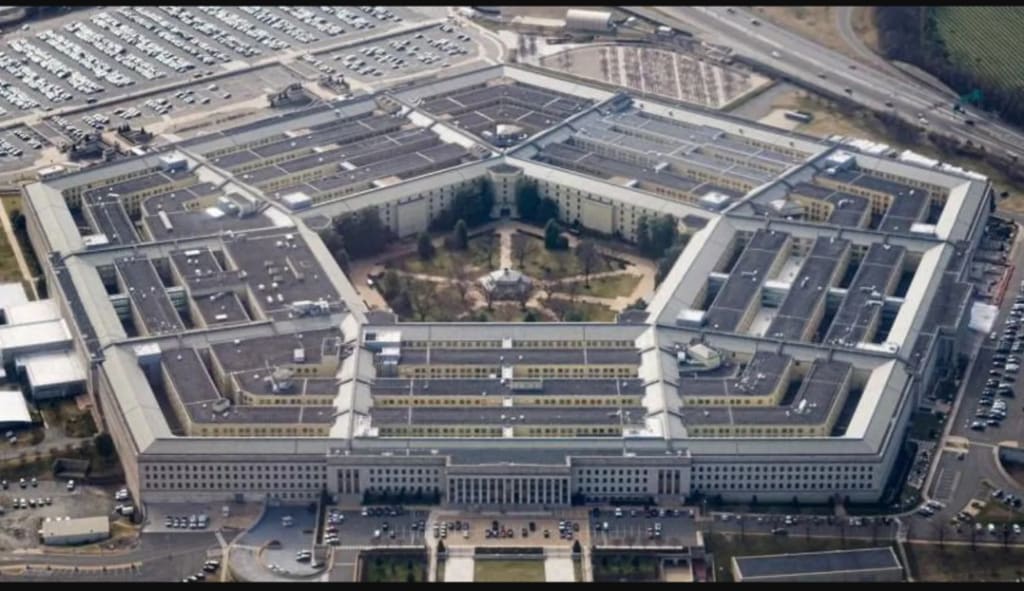
In a significant announcement, the Pentagon revealed plans to provide “more limited” support to U.S. allies as part of a broader defence strategy shift. The move reflects a recalibration of American military priorities, emphasizing strategic flexibility and burden-sharing, but it also signals a potential turning point in long-standing transatlantic and global security relationships.
The announcement comes amid a backdrop of increasing global competition, rising costs of defense, and ongoing pressure for U.S. forces to focus on areas deemed critical to national security. Allies who have traditionally relied on U.S. military support for deterrence and operational readiness are now facing a reality in which they may need to invest more in their own defense capabilities.
What the Pentagon Announcement Means
According to defense officials, the shift does not indicate that the United States will abandon its allies. Instead, it signals a reduced level of direct involvement, particularly in terms of troop deployments, routine operational support, and logistics in regions outside immediate U.S. strategic interests.
In practical terms, this may mean:
Reduced U.S. military presence in certain overseas bases and conflict zones.
More conditional deployment of advanced weaponry or defense systems to partner nations.
Increased expectation that allies maintain and expand their own military capabilities, including personnel, infrastructure, and readiness.
The strategy is part of a larger effort to streamline American defense priorities and focus resources on emerging global threats, including cyber warfare, missile defense, and competition with strategic rivals.
Reactions from U.S. Allies
The Pentagon’s announcement has prompted a mix of concern and cautious acceptance among U.S. allies. European leaders, in particular, recognize the message as part of a broader trend emphasizing strategic autonomy.
Germany, France, and other NATO members have long discussed the need to share the defense burden more equitably, but the Pentagon’s shift could accelerate these plans. Officials in Tokyo and Seoul, key partners in Asia, are also reviewing defense strategies in light of a potential reduction in U.S. support for day-to-day operational readiness and rapid deployment capabilities.
While the move may encourage allies to enhance their military independence, it also introduces short-term uncertainties. Questions remain about how quickly countries can adapt their defense structures and whether reduced U.S. support could create temporary vulnerabilities.
Implications for Global Security
The U.S. decision has far-reaching implications for global stability. Historically, American military presence and guarantees have acted as a deterrent against aggression, from European tensions to conflicts in the Indo-Pacific region. A more restrained posture may encourage some allies to accelerate self-sufficiency programs, but it could also embolden adversaries who perceive a reduction in U.S. commitment as an opportunity to test boundaries.
Defense analysts suggest that the shift reflects a new era of strategic pragmatism. The Pentagon is attempting to balance maintaining influence abroad with the need to address budgetary constraints, rising operational costs, and shifting global threats. In essence, the U.S. is signaling: “We remain committed, but our allies must invest in their own defense as well.”
Strategic Autonomy and Burden-Sharing
European and Asian partners have long discussed the concept of strategic autonomy — the ability to defend themselves without total reliance on U.S. intervention. This Pentagon announcement may accelerate such initiatives:
Europe: NATO countries may increase defense spending, invest in joint military exercises, and develop indigenous defense technologies.
Asia-Pacific: Japan and South Korea could expand their missile defense, cyber warfare, and rapid-response forces to reduce dependence on U.S. reinforcements.
Strategic autonomy is not just a military concern; it also involves diplomatic coordination and economic resilience. Nations must now plan for a broader spectrum of contingencies, from conventional conflicts to cyberattacks and supply chain disruptions.
Potential Challenges
While the Pentagon frames the shift as pragmatic, it comes with risks. A reduced U.S. footprint may:
Create temporary security gaps before allies scale up capabilities.
Generate political friction within alliances, as some countries may feel pressured or abandoned.
Encourage opportunistic behavior from adversaries, particularly in contested regions like Eastern Europe or the South China Sea.
Allies will need to act quickly to modernize militaries, train forces, and invest in new technology. The speed and coordination of these efforts will determine whether this strategic pivot strengthens global security or introduces new vulnerabilities.
Conclusion
The Pentagon’s announcement marks a major shift in U.S. defense strategy, emphasizing restraint, efficiency, and shared responsibility. Allies are being asked to take greater responsibility for their security, signaling a move toward self-reliance and strategic autonomy.
This policy is unlikely to weaken alliances in the long term, but it does represent a fundamental recalibration of expectations. Europe, Asia, and other U.S. partners will need to invest in military readiness, infrastructure, and coordination to adapt to this new reality.
For the United States, the approach allows focus on critical priorities and emerging threats, but requires careful diplomatic management to reassure allies and maintain deterrence.
The shift highlights a critical message for the global community: in today’s complex world, partnership is no longer synonymous with dependence. Allies must strengthen themselves, even as the U.S. remains a central, though more measured, player on the world stage.
About the Creator
Asad Ali
I'm Asad Ali, a passionate blogger with 3 years of experience creating engaging and informative content across various niches. I specialize in crafting SEO-friendly articles that drive traffic and deliver value to readers.
Exchange Firm’s Licence Cancelled: What It Means for Investors and the Market
The cancellation of an exchange firm’s licence by financial authorities has sent ripples across the investment community, sparking uncertainty among investors and renewed debate about regulatory oversight. Such actions are not taken lightly and often signal serious compliance failures, governance issues, or risks to the broader financial system. For investors and market participants, the decision raises an urgent question: what happens next? This development highlights the fragile balance between innovation in financial markets and the need for strict regulation to protect investors. As authorities move to enforce rules, the implications extend far beyond a single firm, affecting confidence, liquidity, and the overall market environment. Why an Exchange Firm’s Licence Gets Cancelled Regulators typically revoke an exchange firm’s licence only after identifying significant violations. These may include failure to meet capital requirements, inadequate risk management systems, lack of transparency, or breaches of anti-money laundering (AML) and know-your-customer (KYC) regulations. In some cases, repeated warnings or fines precede the final decision. When corrective actions are ignored or deemed insufficient, authorities may conclude that the firm poses a risk to investors or market integrity. Licence cancellation is therefore both a punitive and preventive measure designed to stop further harm. For the public, such decisions often raise concerns about how long the problems existed and whether earlier intervention could have minimized losses. Immediate Impact on Investors For investors directly involved with the exchange firm, the licence cancellation can be deeply unsettling. Access to accounts may be restricted while regulators assess the situation, and withdrawals or trades could be temporarily frozen. This uncertainty often leads to anxiety, particularly for retail investors who rely on the platform to manage savings or active investments. Regulators usually work with administrators or trustees to safeguard client assets. However, the recovery process can be slow, and outcomes depend on how well customer funds were segregated from the firm’s operational accounts. Investors are often advised to stay informed through official regulatory updates and avoid relying on rumors or unverified sources. Market Reaction and Short-Term Volatility Beyond individual investors, the broader market can also feel the effects. News of a licence cancellation often triggers short-term volatility, especially if the firm had a significant market presence. Prices of related assets may fluctuate as traders react to uncertainty, and confidence in similar platforms can weaken. Other exchange firms may experience increased scrutiny, with investors reassessing where they place their funds. While this can initially disrupt trading volumes, it may also encourage a shift toward more transparent and well-regulated platforms. Market analysts note that while short-term reactions can be dramatic, long-term stability often improves when weak or non-compliant entities are removed from the system. What This Means for Market Trust Trust is a cornerstone of financial markets. When an exchange firm loses its licence, it can undermine confidence, especially among first-time or smaller investors. Many may begin to question whether regulatory bodies are doing enough to monitor firms proactively rather than reactively. At the same time, decisive regulatory action can also restore trust. By demonstrating that rules are enforced and misconduct has consequences, authorities send a message that investor protection is a priority. Over time, this can strengthen the market by encouraging higher standards across the industry. Regulatory Oversight and Its Broader Significance The licence cancellation underscores the critical role of regulators in maintaining market integrity. Financial authorities are tasked with balancing innovation and risk, ensuring that firms operate transparently while allowing markets to evolve. In recent years, regulators worldwide have tightened oversight, particularly in fast-growing sectors such as digital assets and alternative trading platforms. This case may prompt further reviews of licensing frameworks, compliance monitoring, and enforcement mechanisms. For firms still operating in the market, the message is clear: compliance is not optional. Strong governance, clear reporting, and adherence to regulations are essential for long-term survival. Lessons for Investors This incident offers several important lessons for investors: Due diligence matters: Investors should research exchange firms carefully, including their regulatory status and compliance history. Diversification reduces risk: Relying on a single platform increases exposure to operational and regulatory risks. Regulation provides protection: While regulation may seem restrictive, it plays a crucial role in safeguarding investor interests. Financial experts recommend that investors prioritize platforms with strong regulatory backing and transparent operational practices. Long-Term Implications for the Market In the long run, the removal of non-compliant exchange firms can lead to a healthier market environment. While disruptions are inevitable, stronger oversight can improve resilience and reduce systemic risk. The episode may also accelerate reforms, encouraging regulators to enhance monitoring tools and firms to adopt higher standards. For investors, this could mean greater confidence and more sustainable growth opportunities in the future. Conclusion The cancellation of an exchange firm’s licence is a significant event with far-reaching implications. For investors, it brings uncertainty and potential financial stress. For the market, it highlights vulnerabilities while reinforcing the importance of regulation and accountability. Although the immediate impact may be unsettling, decisive regulatory action can ultimately strengthen trust and stability. As the situation unfolds, investors and market participants alike will be watching closely, hoping that lessons learned lead to a safer and more transparent financial ecosystem.
By Aarif Lasharia day ago in The Swamp
Markets Fall and Gold and Silver Hit New Highs After Trump’s Latest Tariff Threat
Global markets were rocked after U.S. President Donald Trump’s latest tariff threats against European nations tied to Greenland. Stocks tumbled, while investors rushed into safe-haven assets like gold and silver, pushing their prices to record highs. The developments highlight the delicate balance between geopolitics and financial markets, showing how political decisions can quickly ripple through the global economy.
By Aarif Lashari6 days ago in The Swamp




Comments
There are no comments for this story
Be the first to respond and start the conversation.