
Markets Fall and Gold and Silver Hit New Highs After Trump’s Latest Tariff Threat
“Global markets slide as gold and silver surge to record highs amid Trump’s Greenland tariff threat.”
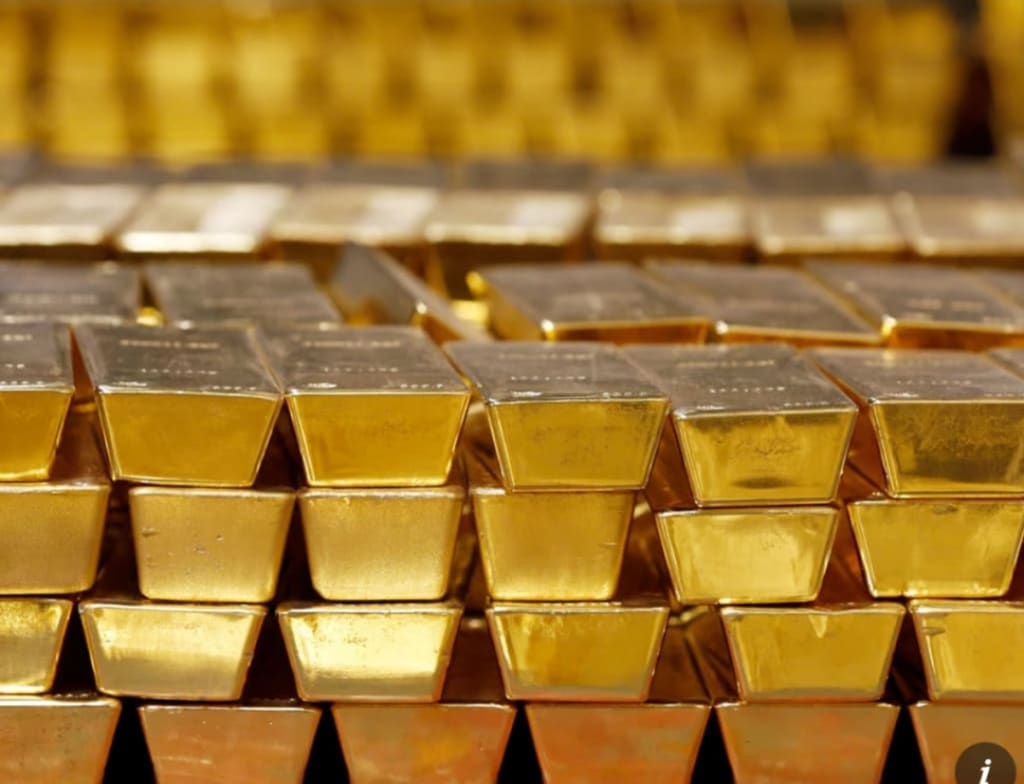
Global markets were rocked after U.S. President Donald Trump’s latest tariff threats against European nations tied to Greenland. Stocks tumbled, while investors rushed into safe-haven assets like gold and silver, pushing their prices to record highs. The developments highlight the delicate balance between geopolitics and financial markets, showing how political decisions can quickly ripple through the global economy.
Stock Markets Take a Hit
Trump’s threat of tariffs sparked a broad sell-off in stocks across Europe and Asia. Key indices, including the Stoxx Europe 600, DAX, and CAC 40, dropped sharply, with tech, automotive, and consumer sectors feeling the most pressure.
U.S. stock futures also reflected market jitters despite the holiday closure, with the S&P 500 and Nasdaq‑100 showing declines. Analysts note that such reactions indicate growing investor caution over potential trade conflicts and their impact on corporate profits.
In Asia, markets in Japan, Singapore, and Hong Kong also dipped, reflecting concerns about global economic stability. Investors often reduce exposure to equities when geopolitical tensions rise, prioritizing safety over short-term gains.
Gold and Silver Surge
As equities fell, gold and silver surged, reaching all-time highs.
Gold climbed significantly, gaining nearly 1.7% in some markets.
Silver also hit record levels, trading above previous benchmarks and reflecting investor demand for safe-haven assets.
Precious metals are considered stores of value during uncertain times, making them attractive when stock markets appear volatile. The flight to gold and silver underscores investor concerns about potential trade disruptions and economic instability.
Currency and Bond Market Movements
The U.S. dollar weakened against other major currencies as investors sought stability. Safe-haven currencies like the Japanese yen and Swiss franc appreciated.
Bond markets also responded, with investors reassessing risk. The interconnectedness of global finance means that policy decisions in one country — like the U.S. tariff threat — can influence currencies, equities, and debt markets worldwide.
Why This Is Happening
The tariff threat stems from Trump’s demands regarding Greenland, targeting European countries. Investors fear that tariffs could escalate into a broader trade conflict, disrupting supply chains, increasing costs, and potentially slowing economic growth.
Historically, such threats alone — even without actual implementation — can shake investor confidence, leading to market volatility and a surge in safe-haven buying.
Sectors Most Affected
Industries reliant on international trade felt the most pressure:
Automotive companies saw declines as tariffs could increase costs and disrupt supply chains.
Tech firms experienced volatility due to their dependence on global markets.
Consumer goods companies faced uncertainty regarding pricing and market access.
Investors are closely watching companies with international exposure, as tariffs could directly affect profits and stock performance.
Analyst Insights
Experts say that the market reaction demonstrates the power of geopolitical uncertainty in shaping investment behavior. Even the possibility of tariffs can influence:
Portfolio adjustments
Safe-haven asset demand
Currency fluctuations
This highlights how politics and finance are deeply intertwined in today’s globalized economy.
Implications for Investors
In volatile markets, investors typically:
Reduce exposure to riskier assets like stocks
Increase holdings in safe-haven assets like gold, silver, and government bonds
Diversify portfolios to spread risk
Monitor developments in real-time to adjust strategies
These strategies help preserve capital and maintain stability in uncertain conditions.
What Comes Next
Market participants will be watching developments closely. If the tariff threat escalates, we could see further stock market declines and additional surges in precious metals. Conversely, diplomatic negotiations or de-escalation may calm markets and restore investor confidence.
Upcoming events such as the Davos Summit and EU meetings will also influence market sentiment, as leaders discuss economic strategies and international cooperation.
Final Thoughts
The recent market reaction — falling stocks paired with rising gold and silver — illustrates how investor psychology responds to geopolitical risk. While equities are sensitive to uncertainty, safe-haven assets provide stability.
As global markets navigate this period of volatility, the interplay between politics, trade, and investment strategy will remain a key factor shaping economic outcomes.
Category: Finance & Markets
Best Community: Global Economy Watch / Investment Insights / Market Reactions
I can also create 5 catchy, engaging subtitles for this blog to make it more appealing and shareable on Vocal Media. Do you want me to do that next?
About the Creator
Keep reading
More stories from Aarif Lashari and writers in The Swamp and other communities.
Trump Links Greenland Dispute to Not Getting Nobel Peace Prize
In a surprising twist during a press conference earlier this week, former U.S. President Donald Trump linked his controversial Greenland dispute to the fact that he did not receive the Nobel Peace Prize. His comments sparked reactions from politicians, international media, and the public, highlighting once again the unusual rhetoric that characterized his presidency.
By Aarif Lashariabout 13 hours ago in The Swamp
Japan Robotics Market Size and Forecast 2025–2033: A Nation Engineering the Future
Japan Robotics Market Overview Japan has long been recognized as a global powerhouse in robotics, and the coming decade is set to reinforce that leadership. According to Renub Research, the Japan Robotics Market is expected to reach US$ 17,214.95 million by 2033, growing from US$ 2,607.88 million in 2024, at a remarkable CAGR of 23.33% from 2025 to 2033. This rapid expansion reflects not only technological excellence but also Japan’s urgent social and economic needs.
By Janine Root about 17 hours ago in The Swamp
Ludacris and Nelly draw backlash over bookings at MAGA-coded music festival
Ludacris and Nelly headlining a mostly right-wing event is good for them. It’s also great for the genre of hip hop. The two rap veterans have showcased their talents on other stages. Why can’t they perform for mostly MAGA folks and grab that bag?
By Skyler Saunders5 days ago in Beat


Comments
There are no comments for this story
Be the first to respond and start the conversation.