
Pakistan vs India: Latest Tensions, History, and Future Relations
Discover the latest updates on Pakistan vs India tensions, explore the deep-rooted history behind their rivalry, and understand the potential path toward peace and regional stability.

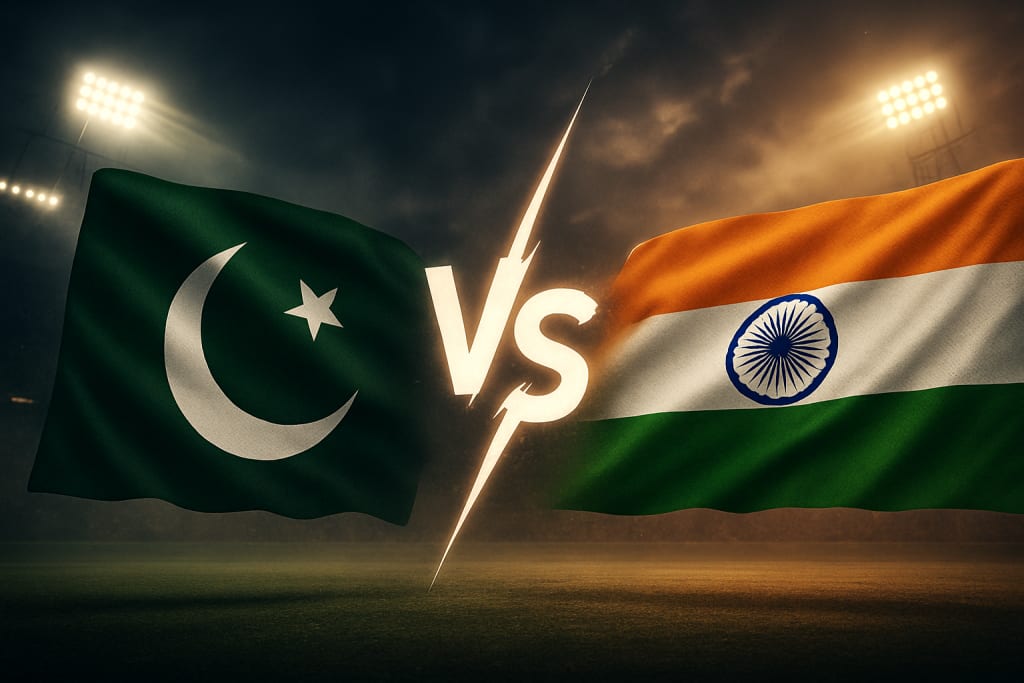
Pakistan vs India: Rising Tensions, Historic Rivalry, and the Road Ahead
The phrase Pakistan vs India often conjures images of cricket matches, diplomatic talks, and military tensions. However, recent developments have reignited the intense rivalry between these two South Asian neighbors, grabbing global attention. With historic grievances and new flashpoints emerging, the world watches closely as Pakistan and India navigate another phase of strained relations.
The Latest Trigger: Kashmir Attack
On April 22, 2025, a devastating attack in Pahalgam, Jammu and Kashmir, left 26 tourists dead. The Resistance Front, linked to the Pakistan-based group Lashkar-e-Taiba, claimed responsibility. This tragedy, the deadliest since the 2008 Mumbai attacks, immediately escalated tensions between Islamabad and New Delhi.
India swiftly blamed Pakistan for harboring terrorist groups responsible for the violence. Pakistan, however, denied any involvement, calling for an impartial investigation. The Kashmir issue, a core reason behind the Pakistan vs India rivalry, once again brought both nations to the brink of conflict.
Diplomatic Fallout: A Swift Breakdown
In response to the attack, India took several hardline steps: suspending the Indus Waters Treaty, cancelling visas for Pakistani nationals, expelling Pakistani diplomats, and closing key border crossings. These measures signaled India's intent to isolate Pakistan diplomatically and economically.
Pakistan countered by shutting its airspace to Indian aircraft, expelling Indian envoys, and suspending the historic Simla Agreement of 1972, which had long governed diplomatic relations and border protocols. These tit-for-tat moves have worsened the diplomatic freeze, making peaceful dialogue increasingly difficult.
Military Escalations: Tensions Along the Line of Control
Following the diplomatic breakdown, reports of gunfire exchanges across the Line of Control (LoC) in Kashmir emerged. Both sides have accused each other of initiating the hostilities. Skirmishes along the LoC are not new in the Pakistan vs India conflict, but the current political climate makes even minor clashes highly dangerous.
While full-scale war remains unlikely due to the nuclear capabilities of both nations, the fear of miscalculation looms large. Military analysts warn that any escalation could spiral out of control, causing widespread instability across the region.
Historical Context: Why Pakistan vs India Is a Global Concern
The rivalry between Pakistan and India is rooted in their partition in 1947, a traumatic event that led to massive population displacement and communal violence. Since then, both countries have fought three full-scale wars, primarily over Kashmir. Despite several peace initiatives, including the Agra Summit and Lahore Declaration, mistrust continues to define their relationship.
Globally, the Pakistan vs India dynamic affects regional security in South Asia, influences international alliances, and impacts economic stability. Organizations like the United Nations and countries such as the United States and China often find themselves urging both nations to de-escalate and return to the negotiating table.
Economic Implications of Rising Tensions
Beyond military and diplomatic arenas, the renewed hostility has economic consequences. Trade between Pakistan and India had already been limited after previous conflicts, and the latest developments further stifle any prospects of economic cooperation.
The suspension of the Indus Waters Treaty could severely affect Pakistan’s agriculture sector, dependent on water flow from India. Similarly, the aviation industry faces disruptions with closed airspace routes, impacting businesses and tourism.
Investors are also becoming increasingly wary of the region, leading to stock market volatility in both countries. The cost of military readiness diverts resources away from crucial sectors like healthcare, education, and infrastructure, delaying much-needed economic progress.
The Role of Media and Public Sentiment
In both countries, mainstream media outlets have played a critical role in shaping public opinion. Coverage often leans towards nationalism, further fueling the Pakistan vs India rivalry. Social media platforms amplify these narratives, with misinformation and emotional rhetoric spreading rapidly.
Public sentiment in both nations remains deeply polarized. In India, demands for stronger retaliation dominate political discourse, while in Pakistan, calls for national unity against perceived aggression are widespread. This charged atmosphere leaves little room for moderate voices advocating for peace and dialogue.
International Reactions and Calls for De-Escalation
The international community has expressed deep concern over the unfolding situation. The United Nations urged restraint, emphasizing the importance of dialogue to resolve disputes. Meanwhile, countries like the United States, China, and Saudi Arabia have offered to mediate, although past mediation efforts have often been unsuccessful.
Strategically, world powers have a vested interest in maintaining stability between Pakistan and India. Any major conflict could disrupt global trade routes, worsen refugee crises, and trigger broader security challenges, especially considering the nuclear capabilities of both nations.
Hope for Peace: Is Reconciliation Possible?
Despite the bleak scenario, history shows that Pakistan vs India relations have the potential for improvement. Track II diplomacy (informal dialogue between non-governmental actors) continues behind the scenes, with civil society leaders, business groups, and cultural organizations pushing for peace initiatives.
Shared challenges like climate change, water scarcity, and economic development could provide common ground for future cooperation. Building trust will require sustained political will, responsible media reporting, and strong public support for peaceful solutions.
Conclusion: The Way Forward
The current Pakistan vs India tensions serve as a reminder of how fragile peace in South Asia remains. Both nations face a critical choice: continue down the path of hostility or seek out a future based on mutual respect and cooperation.
While political and military escalations capture headlines, it is the efforts towards understanding and dialogue that will determine the long-term trajectory of this historic rivalry. The world watches, hoping that wisdom prevails over war, and that a more peaceful, prosperous South Asia can emerge from the shadows of conflict.
About the Creator
Madi Speaks
Welcome to My blog channel where i (Madi Speaks) post daily trending content.
Discover engaging content on motivation, success, lifestyle, and trends. Stay inspired, informed, and curious as we explore stories that matter!
Keep reading
More stories from Madi Speaks and writers in The Swamp and other communities.
Massive Earthquake Strikes Myanmar, Causes Widespread Damage
Myanmar has been making headlines recently due to a powerful earthquake that struck the country on March 28, 2025. The earthquake, which measured 7.7 on the Richter scale, originated near Mandalay and was felt across neighboring countries, including Thailand. The seismic event has not only caused panic among residents but has also raised concerns about infrastructure damage and the country’s preparedness for such natural disasters. This article will explore the details of the earthquake, its broader implications, and the challenges Myanmar faces in dealing with natural calamities.
By Madi Speaks12 months ago in The Swamp
Parallel Protests
I haven't written for quite some time, but I have A LOT of thoughts about yesterday's protest rally against our government's involvement and complicity in America's war on Iran, on the harbourside of my home city Bristol, and I need to put them somewhere. My gorgeous girlfriend is always a loving and listening ear and sharing it all with her will always be a healthy and happy way of processing the mental and emotional weight, but getting it straight in my brain to share means writing it all down in straight lines, so, here we are and thanks for being here.
By Steph Cole10 days ago in The Swamp
New Status Quo: Germany Reaches for European Conventional Military Dominance
Germany is moving rapidly to transform its armed forces and assume a leading role in Europe’s conventional military balance, signaling what analysts describe as a “new status quo” for the continent’s security architecture. After decades of restraint following the Second World War, Berlin is now investing heavily in defence capabilities, seeking to position itself as the central military power within Europe. The shift gained momentum after the Russian invasion of Ukraine, which fundamentally altered Europe’s perception of security threats. The conflict prompted Olaf Scholz to announce a historic “Zeitenwende,” or turning point, in German defence policy. Under this initiative, Germany pledged to dramatically increase military spending and modernize the Bundeswehr. Massive Defence Investment Germany created a special €100-billion fund dedicated to upgrading its armed forces. The plan includes new fighter jets, armored vehicles, air defence systems, and digital battlefield technologies. Berlin has also committed to consistently meeting the defence spending target set by NATO, which requires member states to spend at least 2% of their GDP on defence. Among the major acquisitions are the advanced F‑35 Lightning II jets, which Germany intends to use to maintain NATO’s nuclear-sharing arrangements. The country is also investing in missile defence, including participation in the European Sky Shield Initiative, designed to create a continent-wide shield against missile threats. German military planners believe these investments will allow the Bundeswehr to become Europe’s most capable conventional military force. The goal is not only national defence but also the ability to lead multinational operations across the continent. Leadership Within Europe Germany’s renewed military ambitions reflect broader changes in Europe’s security environment. For decades, European defence relied heavily on the United States. However, uncertainty about future American commitments has pushed European countries to strengthen their own capabilities. Berlin is increasingly positioning itself as the leader of these efforts. Germany has expanded its role within NATO’s eastern flank, deploying troops and equipment to countries such as Lithuania to deter potential aggression. German officials have also proposed forming a permanent brigade in the region, marking one of the most significant overseas deployments in the Bundeswehr’s history. At the same time, Germany is deepening defence cooperation with partners such as France and Poland, aiming to create a stronger, more integrated European military framework. Joint projects include next-generation tanks, fighter aircraft, and advanced defence technologies. Challenges and Debate Germany’s rapid military expansion has sparked debate both domestically and internationally. Some political groups worry about the financial burden of increased defence spending, especially at a time when Europe faces economic pressures. Others argue that Germany must overcome bureaucratic hurdles and procurement delays that have historically slowed military modernization. Within Europe, reactions have been mixed. While many allies welcome Germany’s willingness to shoulder greater responsibility for regional security, some countries remain cautious about the prospect of Berlin becoming the continent’s dominant military power. Historical sensitivities still shape perceptions of German military leadership. A Changing Security Landscape Despite these concerns, the broader trend toward stronger European defence appears irreversible. Russia’s war in Ukraine and rising global tensions have convinced many policymakers that Europe must be able to defend itself more independently. For Germany, this moment represents a profound transformation. The country is shifting from a cautious security posture to a leadership role in Europe’s military structure. If Berlin’s modernization plans succeed, the Bundeswehr could emerge as the central pillar of Europe’s conventional defence capabilities. The result may be a new strategic balance across the continent—one in which Germany plays a far more prominent role than at any time since the Cold War.
By Fiaz Ahmed 6 days ago in The Swamp



Comments
There are no comments for this story
Be the first to respond and start the conversation.