
Massive Earthquake Strikes Myanmar, Causes Widespread Damage
A powerful 7.7 earthquake hits Myanmar, shaking Mandalay and beyond. Find out the impact and recovery efforts underway.

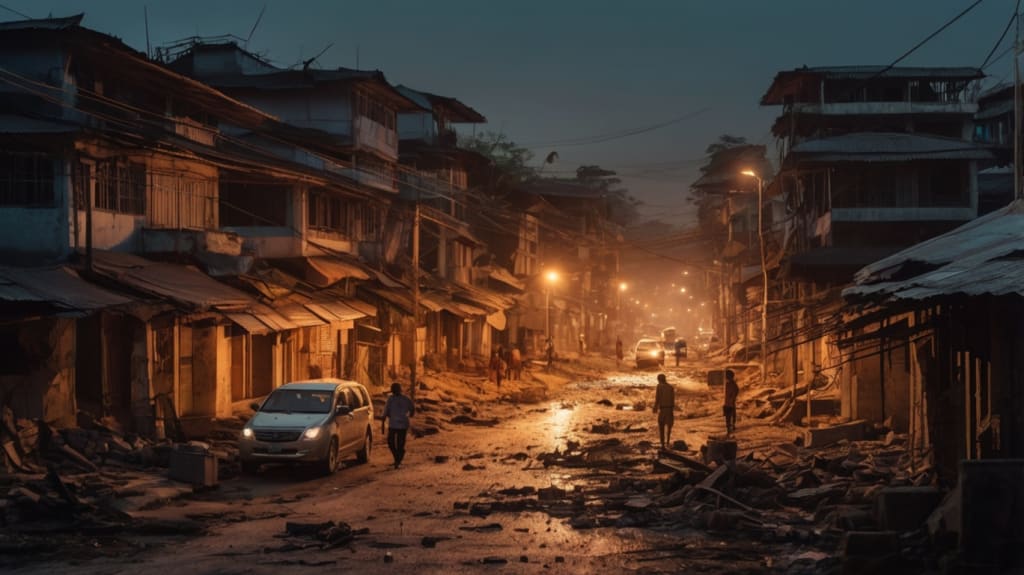
Myanmar has been making headlines recently due to a powerful earthquake that struck the country on March 28, 2025. The earthquake, which measured 7.7 on the Richter scale, originated near Mandalay and was felt across neighboring countries, including Thailand. The seismic event has not only caused panic among residents but has also raised concerns about infrastructure damage and the country’s preparedness for such natural disasters. This article will explore the details of the earthquake, its broader implications, and the challenges Myanmar faces in dealing with natural calamities.
The Earthquake in Myanmar: What Happened?
On March 28, 2025, at approximately 10:15 PM local time, Myanmar experienced a massive earthquake with a magnitude of 7.7. The epicenter was located near Mandalay, one of Myanmar's largest cities, situated in the central region of the country. The earthquake's depth was recorded at approximately 10 kilometers, making it a shallow earthquake — a factor that often increases the intensity of surface shaking.
Tremors Felt Beyond Myanmar
The earthquake was not limited to Myanmar alone. Tremors were felt as far away as Bangkok, Thailand, where residents reported buildings swaying and people evacuating high-rise structures. Other neighboring countries, including India and China, also experienced mild to moderate shaking. Despite the intensity of the quake, there were no immediate reports of large-scale casualties, but structural damage in Myanmar’s urban areas remains a significant concern.
Impact on Myanmar’s Infrastructure and Communities
The earthquake caused varying degrees of damage across central Myanmar. In Mandalay, reports indicate that several historic buildings and residential structures suffered cracks and partial collapses. Rural areas, where infrastructure is less developed, have also been affected, with some roads and bridges becoming impassable due to debris and ground shifts.
Disruption of Essential Services
Power outages and communication failures were reported shortly after the earthquake. Emergency services faced difficulties reaching some affected areas due to blocked roads and damaged infrastructure. Hospitals in Mandalay reported an influx of patients with injuries caused by falling debris and building collapses. However, quick response efforts from local authorities and relief organizations helped stabilize the situation within hours.
Myanmar’s Seismic Vulnerability
Myanmar is located in a seismically active zone where the Indian Plate collides with the Eurasian Plate, making it prone to earthquakes. The country has experienced several significant earthquakes in the past, including the 6.8 magnitude earthquake in 2016 that damaged ancient temples in Bagan — a UNESCO World Heritage Site.
Lack of Earthquake-Resistant Infrastructure
One of Myanmar’s key vulnerabilities lies in its aging infrastructure. Many residential and commercial buildings in cities like Mandalay and Yangon were not built to withstand strong earthquakes. Traditional construction methods, combined with limited enforcement of building codes, have left these structures highly susceptible to seismic damage. The recent earthquake has once again highlighted the urgent need for Myanmar to adopt stricter building regulations and improve urban planning to enhance disaster resilience.
Emergency Response and Relief Efforts
Following the earthquake, Myanmar’s government quickly activated its National Emergency Management Plan. Search and rescue teams were deployed to affected areas, focusing on retrieving people trapped under rubble and assessing damage to infrastructure.
International Assistance
Myanmar has also received offers of assistance from neighboring countries and international relief organizations. Thailand and China have dispatched emergency response teams and medical supplies to support Myanmar's recovery efforts. The United Nations and Red Cross have pledged financial and logistical aid to help rebuild damaged infrastructure and provide temporary shelter for displaced residents.
The Humanitarian Impact
The earthquake has left thousands of people without shelter, food, and clean water. Temporary camps have been established in Mandalay and surrounding areas to provide displaced residents with basic necessities. Humanitarian organizations are working to address both immediate and long-term needs, including access to healthcare and psychological support for trauma victims.
Psychological and Social Consequences
Natural disasters often leave lasting psychological scars on affected communities. In Myanmar, where economic challenges and political instability have already strained social cohesion, the earthquake has intensified feelings of fear and uncertainty. Mental health services and community support initiatives are crucial in helping people recover and rebuild their lives.
Myanmar’s Path to Recovery
The road to recovery will be challenging for Myanmar. Rebuilding damaged infrastructure and restoring essential services will require significant financial and logistical resources. The government has announced a national reconstruction plan focusing on:
- Strengthening building codes and construction standards
- Improving disaster response capabilities
- Expanding seismic monitoring and early warning systems
- Increasing public awareness and preparedness for future earthquakes
Learning from the Past
Myanmar can draw valuable lessons from other earthquake-prone countries like Japan and Chile, which have successfully implemented earthquake-resistant infrastructure and advanced early warning systems. Investing in modern construction technology and strengthening community-based disaster response mechanisms will be crucial in reducing future earthquake risks.
Global Attention and Future Preparedness
The earthquake in Myanmar has drawn global attention to the country’s vulnerability to natural disasters. It has also underscored the importance of international cooperation in disaster management and recovery. Strengthening regional partnerships and securing long-term funding for infrastructure upgrades will play a pivotal role in Myanmar’s ability to withstand future seismic events.
Climate Change and Natural Disasters
While earthquakes are primarily caused by tectonic activity, climate change has been linked to an increase in extreme weather events and environmental stress. For Myanmar, addressing both seismic risks and climate-related challenges will require a coordinated and sustainable approach to national development and disaster resilience.
Conclusion
Myanmar’s recent earthquake serves as a stark reminder of the country’s vulnerability to natural disasters. While the immediate damage is still being assessed, the long-term impact on infrastructure, economy, and communities will be significant. Strengthening building codes, improving disaster preparedness, and fostering regional and international cooperation will be essential in helping Myanmar recover and prepare for future seismic events. By investing in resilience and ensuring swift emergency response, Myanmar can better protect its citizens and infrastructure from the inevitable challenges posed by its seismic geography.
About the Creator
Madi Speaks
Welcome to My blog channel where i (Madi Speaks) post daily trending content.
Discover engaging content on motivation, success, lifestyle, and trends. Stay inspired, informed, and curious as we explore stories that matter!
Keep reading
More stories from Madi Speaks and writers in The Swamp and other communities.
Mysterious Meteor in Karachi: Islamic and Global Views
Meteor in Karachi and What Does It Mean? Introduction In the early hours of March 17, 2025, the skies over Karachi were illuminated by a spectacular meteor. Residents from various parts of the city, including Nazimabad, North Nazimabad, and Orangi Town, witnessed the rare celestial event as a bright, blazing meteor streaked across the night sky. Videos of the meteor quickly spread across social media, sparking widespread curiosity and amazement. This rare event has not only generated excitement among astronomers and space enthusiasts but also raised questions about its significance in religious and cultural contexts.
By Madi Speaks12 months ago in The Swamp
A Gathering of Evil Bosses
“I’m the queen of chin jutting while I smooth my hair, attacking, insulting, and deflecting to protect my appointer.” “Oh, please, Blondi, my hair is curled, highlighted, and longer than yours. I feature television commercials telling immigrants that we will give them a free plane ride home, and if they voluntarily turn themselves in, they will be allowed to legally apply for re-entry. It runs everywhere, and I look good in it! You can’t compete because of your blond hair. Mine is nicer, and my lips are prettier than yours.”
By Andrea Corwin 10 days ago in The Swamp
EL MENCHO KILLED Mexico Is Turning Into A War Zone After Cartel Leader El Mencho Was Killed... Now They're Threatening To Storm Hotels With U.S. Tourists Inside!
El Mencho literally means a person of ill repute or bad manners. The response to Nemesio Ruben Oseguera Cervantes’ death sparked widespread outrage. Burnt cars, murders, canceled flights, and a Costco set ablaze ruined the vacations for people from all over the world.
By Skyler Saunders5 days ago in The Swamp




Comments
There are no comments for this story
Be the first to respond and start the conversation.