
Pahalgam Terror Attack 2025: Hindu Tourists Killed in Kashmir, Global Reactions and Full Report
Religious profiling, eyewitness accounts, international condemnation, and India’s response to the April 22 Kashmir terrorist attack

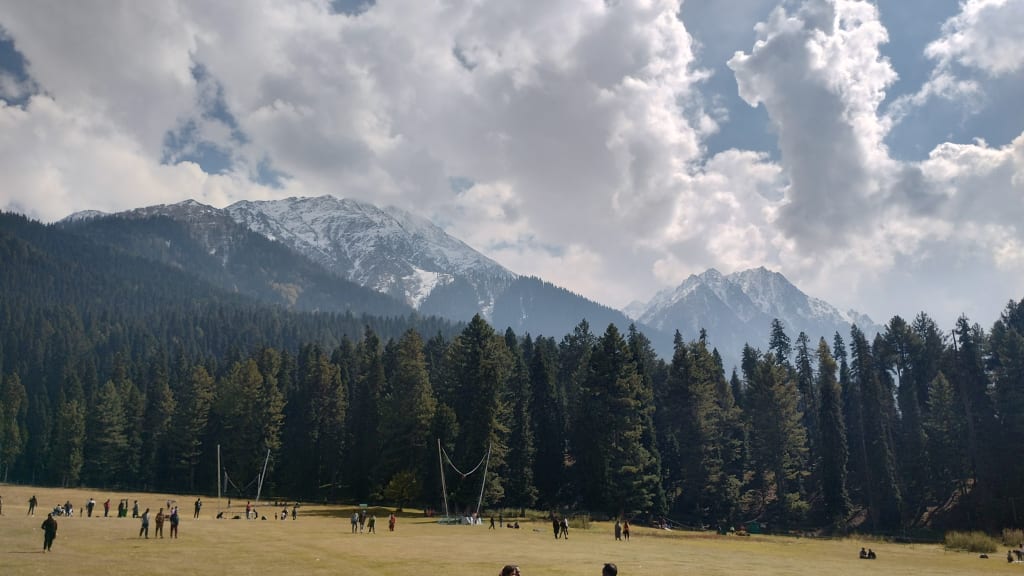
On April 22, 2025, a brutal terrorist attack in Pahalgam, Jammu and Kashmir sent shockwaves across India and the international community. Armed militants opened fire on a group of tourists at Baisaran Valley, deliberately targeting individuals based on their Hindu identity. The attack, which left 26 civilians dead and over 20 injured, is being called one of the deadliest attacks in Kashmir in recent years.
The massacre not only exposed the fragile security situation in the region but also reignited global conversations around religious terrorism, Islamic extremism, and cross-border militancy.
What Happened in Pahalgam on April 22, 2025?
According to survivor testimonies and local authorities, a group of armed terrorists infiltrated the tourist-heavy zone of Baisaran Valley, posing as guides or local pony handlers. They then asked tourists their names and religion. Those who identified as Hindu were separated and shot at close range. Some were reportedly asked to recite the Islamic kalima to verify their faith.
This form of religiously motivated violence is a chilling reminder of earlier sectarian atrocities in South Asia. Among those killed was an entire Hindu family from Maharashtra. Shockingly, a local Muslim man, Seyyed Adil Hussain Shah, lost his life trying to protect the tourists. His bravery has since become a symbol of interfaith solidarity in a time of hate.
India's Official Response to the Pahalgam Massacre
The Indian government responded swiftly and strongly. Home Minister Amit Shah called the incident “an act of pure evil,” and announced that special forces had been deployed to hunt down those responsible. He reaffirmed the government's commitment to fighting terrorism in Kashmir and strengthening regional security.
Prime Minister Narendra Modi tweeted:
"This cowardly attack is not just on innocent lives—it is an attack on India’s unity, on our diversity, and on our soul. We will ensure justice."
High-level security operations were launched in Anantnag and South Kashmir. The government suspended tourist activities in the region and declared national mourning. Compensation and support for victims' families were also announced.
Indian Public Reaction: Rage, Unity, and National Mourning
The public outrage in India was immediate and intense. Hashtags like #PahalgamAttack, #JusticeForHinduTourists, and #TerrorInKashmir trended across X (Twitter), Facebook, and Instagram.
Public vigils were held in multiple cities including Delhi, Kolkata, and Mumbai. Interfaith organizations condemned the violence, and religious leaders from both Hindu and Muslim communities stood in solidarity against hate.
However, some political groups also raised questions about security lapses and intelligence failure. The opposition demanded accountability from the ruling government, while others warned against communalizing the incident further.
Global Reactions: Condemnation of Terror and Calls for Action
This targeted terror attack in Kashmir drew widespread international condemnation, especially due to its religious profiling nature.
Key International Reactions:
United States: President Joe Biden called it "a horrific act of religious extremism" and urged global unity against terrorism. The U.S. State Department also pressed Pakistan to take credible action against terror outfits operating within its borders.
United Kingdom: PM Rishi Sunak said the attack "defied the values of any civilized society." The UK Parliament held a moment of silence in honor of the victims.
France: President Emmanuel Macron condemned the killings as "hate crimes" and pledged support to India in counter-terrorism cooperation.
Russia: A strong statement from the Kremlin denounced the act as “inhuman and barbaric.” Russia expressed full solidarity with India.
European Union: EU leaders jointly condemned the attack and reiterated their commitment to fighting religiously-motivated violence.
United Nations: UN Secretary-General António Guterres described the incident as "deeply disturbing" and emphasized the global responsibility to end all forms of religious violence.
Pakistan: Pakistan issued a brief statement expressing “regret over the loss of civilian life,” but it failed to directly condemn the attack or acknowledge links to Pakistan-based groups—fueling further tensions between the two countries.
The Role of Pakistan-Based Terror Groups
Although no group initially took responsibility, intelligence agencies pointed towards The Resistance Front (TRF), a Lashkar-e-Taiba proxy. TRF briefly claimed involvement but later retracted, possibly due to global backlash.
India has long accused Pakistan of harboring terrorist groups and using Kashmir as a battleground for proxy wars. This incident has once again brought that accusation into global focus.
The Hero of Pahalgam: Seyyed Adil Hussain Shah
Among the stories of horror emerged a tale of heroism. Seyyed Adil Hussain Shah, a local Muslim pony handler, tried to protect the Hindu tourists. When the terrorists demanded the Hindus be separated, he intervened and fought back, only to be shot dead.
His story has become viral on social media and is being cited as a reminder that terrorism has no religion, and that true humanity stands above division.
Why This Attack Matters Globally
The Pahalgam attack is not just a regional tragedy—it has global significance:
It exposes the ongoing religious persecution in South Asia.
It shows how religious identity can be used as a weapon by extremist ideologies.
It reflects the international failure to act decisively against terrorism.
Experts say this should be a turning point for the global fight against terrorism. "If this attack doesn’t shake the conscience of the world, what will?" one Indian diplomat remarked.
Next Steps: What India and the World Must Do
Tighten Security: Kashmir’s security apparatus needs urgent upgrades in both manpower and intelligence gathering.
Global Sanctions: India may push for international sanctions against known terror groups and their sponsors.
Cross-Border Accountability: International pressure must mount on Pakistan to shut down terrorist networks operating from its soil.
Community Healing: Interfaith dialogue and local peacebuilding efforts are crucial to preventing communal backlash.
Conclusion: Pahalgam Will Never Be the Same
The Pahalgam massacre of 2025 is one of the darkest chapters in recent memory—not only because of the number of lives lost but because of the ideology of hate that motivated it. The fact that people were killed for being Hindu is a sobering reminder that religious extremism remains a global threat.
As India mourns, the world must act—not with words, but with unified resolve to ensure that such barbarity is never repeated. Justice for the victims isn't just an Indian issue—it’s a human one.
Pahalgam terror attack 2025
Hindu tourists targeted in Kashmir
Kashmir terrorist attacks
Religious violence in India
Cross-border terrorism
India Pakistan tensions 2025
TRF Kashmir 2025
Global response to Pahalgam attack
Terrorism in Jammu and Kashmir
Seyyed Adil Hussain Shah hero
Content Warning:
This article contains descriptions of graphic violence, religiously-motivated attacks, and references to terrorism that some readers may find disturbing. Reader discretion is strongly advised.
Disclaimer:
The views expressed in this article are based on publicly available reports and verified sources as of May 2025. The intention is to present a factual, neutral overview of the events for informational and awareness purposes only. This article does not aim to promote hate, communal division, or political bias. All efforts have been made to ensure accuracy, but readers are encouraged to consult multiple sources before drawing conclusions.
Thanks for reading!
About the Creator
Tanushree Das
Content writing creates engaging and informative text for article, blogs, websites, and more. It blends creativity and SEO to connect with audiences, build trust, boost visibility, and drive business success.
Keep reading
More stories from Tanushree Das and writers in The Swamp and other communities.
India-Pakistan Tensions and the Truth Behind 'Operation Sindoor': Facts, Rumors, and Global Reactions
Introduction: A History of Tensions Rekindled The relationship between India and Pakistan has always been delicate, shaped by decades of political conflict, military standoffs, and regional rivalries. In recent weeks, tensions have quietly escalated again, driven not only by real-world military movements but also by viral narratives online — most notably around a term that has suddenly surged across social media: “Operation Sindoor.”
By Tanushree Das9 months ago in The Swamp
Japan Nuclear Agency Worker Loses Phone with Confidential Data in China
In a surprising international security incident, an employee of Japan’s Nuclear Regulation Authority (NRA) lost a work-issued smartphone containing confidential information while in China last year. The loss has triggered concerns over information security practices within Japan’s nuclear watchdog and prompted official reports to domestic privacy authorities. �
By Ayesha Lashari2 days ago in The Swamp
The Devil's Cut
“Comrade, finally you’re awake.” The voice was smooth, sensual. A flickering incandescent bar was all that lit the white, sterile room. All Vladimir remembered was everything going black. He tried to move his arms and found them strapped to the gurney.
By Matthew J. Fromm5 days ago in Fiction


Comments
There are no comments for this story
Be the first to respond and start the conversation.