
Minnesota Gov. Tim Walz and Minneapolis Mayor Jacob Frey Subpoenaed by DOJ Amid Immigration Probe
Grand jury subpoenas mark a major escalation in the federal investigation into Minnesota officials’ handling of immigration enforcement.

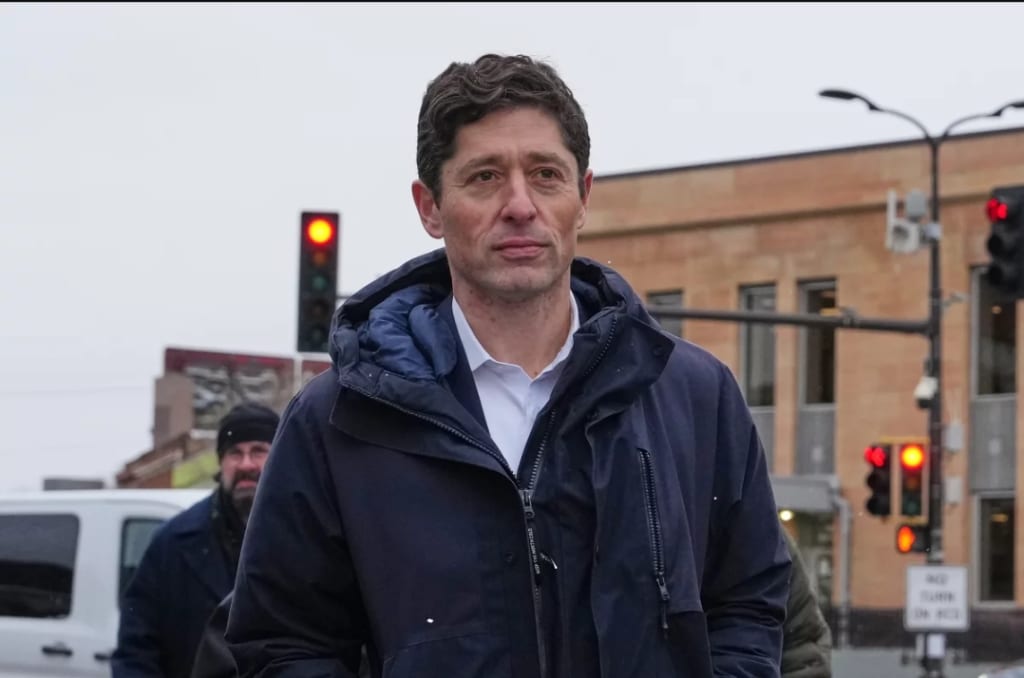
In a development that has grabbed national attention, Minnesota Governor Tim Walz and Minneapolis Mayor Jacob Frey have been subpoenaed by the U.S. Department of Justice (DOJ). The subpoenas come as part of a grand jury investigation into whether Minnesota officials may have obstructed federal immigration enforcement in the Minneapolis–Saint Paul area.
This news adds a dramatic twist to an already tense political landscape in the state and has prompted questions about the limits of local authority, federal oversight, and the intersection of law and politics.
What’s Behind the Subpoenas?
According to multiple reports, the DOJ is investigating whether Walz, Frey, and other Minnesota leaders—including Attorney General Keith Ellison and St. Paul Mayor Kaohly Her—interfered with U.S. Immigration and Customs Enforcement (ICE) operations in the Twin Cities.
The investigation focuses on a high-profile federal operation called “Operation Metro Surge”, which deployed thousands of ICE, Border Patrol, and Homeland Security agents to the area. Officials are particularly scrutinizing communications, directives, and public statements from state and local leaders that may have hindered or resisted federal enforcement.
The grand jury subpoenas require these leaders and their offices to provide records and, in some cases, appear in court. Mayor Frey’s office, for example, has been ordered to produce records and appear in U.S. District Court in Minneapolis on February 3.
Minnesota Officials Push Back
Unsurprisingly, Walz and Frey have strongly rejected the premise of the investigation. Walz called the federal action “politically motivated” and emphasized that Minnesotans are focused on safety and community, not legal distractions.
Mayor Frey echoed the sentiment, accusing the federal government of trying to “intimidate local leaders for doing their jobs.” Both officials emphasized that protecting their communities remains the top priority, even amid federal scrutiny.
Attorney General Ellison noted that his subpoena was primarily for records, not a personal indictment, and criticized the timing, pointing out that his office had recently challenged federal immigration enforcement tactics in court.
Why This Matters
Subpoenas like these are rare for sitting governors and mayors. While they don’t automatically indicate wrongdoing, they are a clear signal that the DOJ is taking the investigation seriously. Legal experts point out that grand jury subpoenas allow prosecutors to gather documents and testimony, which could later lead to charges—or could simply clarify facts about the actions of local officials.
The situation also highlights the tension between federal authority and local autonomy, especially in politically sensitive areas like immigration enforcement. Supporters of Walz and Frey argue that the subpoenas are an attempt to suppress dissent against aggressive federal enforcement policies. Critics argue that local resistance may have hindered federal law enforcement and violated federal law.
The Bigger Picture
This legal drama comes amid heightened national debate over immigration, federal authority, and local governance. Minnesota has become a flashpoint, and the outcomes of these subpoenas could have lasting implications for how state and local leaders interact with federal agencies.
With Mayor Frey’s court appearance set for early February, more clarity is likely to emerge in the coming weeks. Until then, the subpoenas serve as a stark reminder of the complex balance between federal enforcement and local leadership—and the political tensions that can arise when that balance is tested.
Conclusion
The subpoenas of Governor Tim Walz, Mayor Jacob Frey, and other Minnesota officials are more than just a legal maneuver—they represent a collision between federal authority and local governance in a politically charged environment. At the heart of the issue is a broader question: how far can state and local leaders go in resisting federal actions they perceive as harmful or overreaching, without crossing legal boundaries? As this investigation unfolds, Minnesotans and the wider public will be watching closely, not just for the legal outcomes, but for the precedent it may set regarding accountability, checks and balances, and the role of local leadership in contentious policy areas.
Beyond the courtroom, the situation underscores the delicate dance between enforcing federal law and respecting local autonomy, a balance that shapes how communities experience governance and security. In the coming months, the DOJ investigation could redefine that relationship, highlighting the challenges elected officials face when national priorities clash with local realities. Whether this episode results in legal consequences or serves as a cautionary tale, it is certain to leave a lasting imprint on Minnesota politics and the national conversation on immigration enforcement.
About the Creator
Asad Ali
I'm Asad Ali, a passionate blogger with 3 years of experience creating engaging and informative content across various niches. I specialize in crafting SEO-friendly articles that drive traffic and deliver value to readers.
US Says Canada Will Regret Decision to Allow Chinese EVs Into Their Market
The global electric vehicle (EV) race is heating up, and Canada has just made a move that has caught the attention — and criticism — of its closest ally. The United States has warned that Canada may “regret” its decision to allow Chinese-made electric vehicles into its domestic market, a statement that underscores rising trade tensions, geopolitical rivalry, and fears over the future of North America’s auto industry.
By Aqib Hussain4 days ago in The Swamp
Global Leaders Gather in Switzerland to Ponder the Future of a Messy World
Each year, the quiet Swiss town of Davos transforms into the epicenter of global debate. Political leaders, corporate executives, economists, academics, and activists gather in Switzerland with a shared mission: to assess the state of the world and debate how to steer it forward. This time, however, the mood is notably more sober. As global leaders gather to ponder the future of a messy world, the challenges before them appear more complex, interconnected, and urgent than ever.
By Muhammad Hassanabout 7 hours ago in The Swamp



Comments
There are no comments for this story
Be the first to respond and start the conversation.