
North Korea’s Kim Calls for Stronger Artillery Production Ahead of Key Party Congress
Kim Jong Un urges expanded artillery output as Pyongyang prepares for a key party meeting amid rising regional tensions

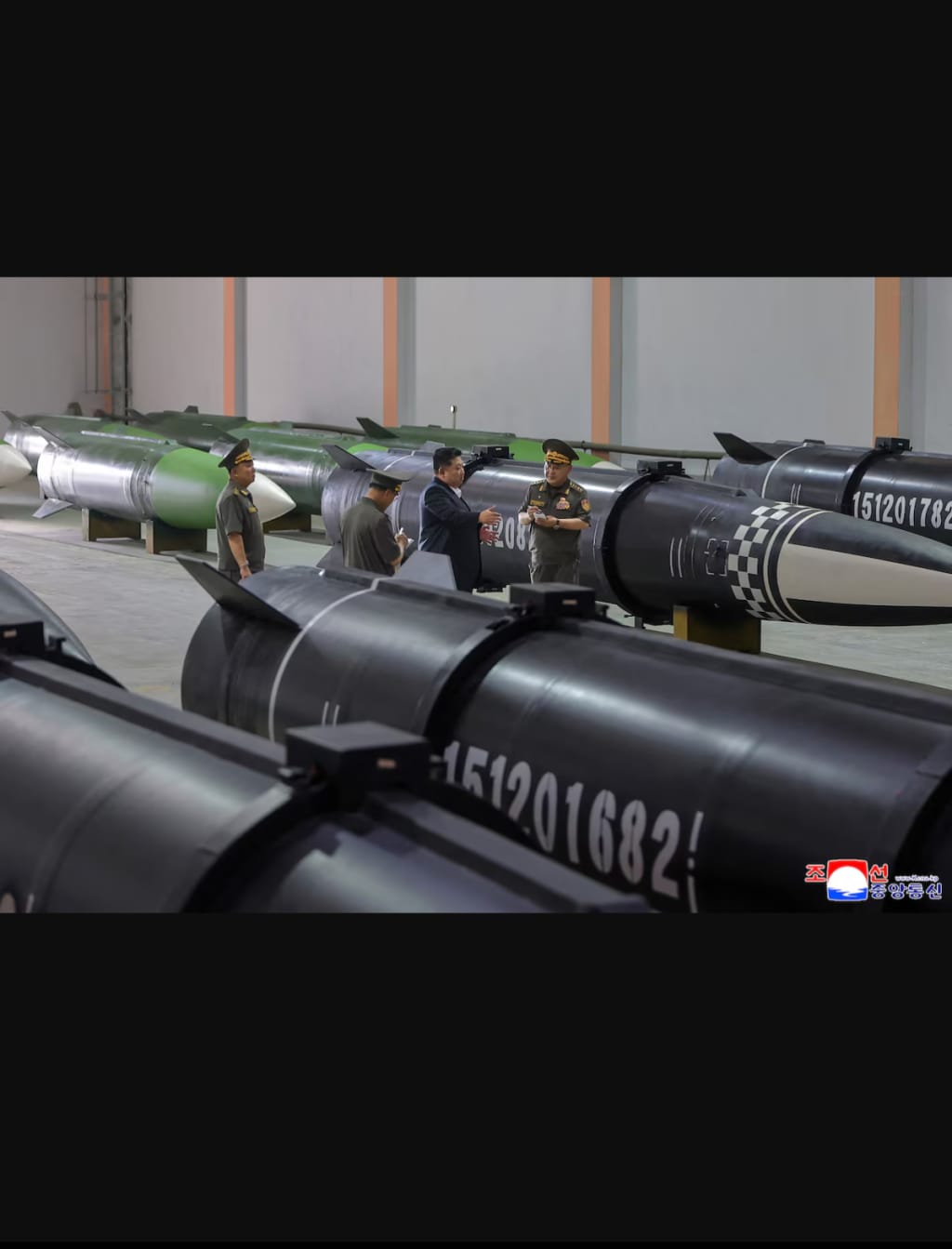
North Korean leader Kim Jong Un has called for a major boost in artillery production as the country prepares for an important ruling party congress, signaling renewed emphasis on military strength amid rising regional and global tensions. The directive, delivered during a high-profile inspection of weapons manufacturing facilities, underscores Pyongyang’s continued focus on strengthening its armed forces despite ongoing economic challenges and international sanctions.
Kim’s remarks come at a time when North Korea is increasingly vocal about what it describes as external threats, particularly from the United States and its regional allies. By prioritizing artillery production, the leadership appears intent on reinforcing its conventional military capabilities while simultaneously sending a message of deterrence to its perceived adversaries.
A Push for Military Readiness
According to state media, Kim Jong Un visited key munitions factories responsible for producing artillery shells and related equipment. During the visit, he praised workers for their “revolutionary spirit” and urged them to increase output to meet what he described as the strategic needs of the nation.
Artillery has long been a cornerstone of North Korea’s military doctrine. With thousands of artillery pieces reportedly positioned near the border with South Korea, the country maintains one of the world’s largest concentrations of conventional firepower. Kim’s call for increased production suggests an effort to modernize and replenish these systems, ensuring they remain effective in any potential conflict.
The emphasis on production also aligns with North Korea’s broader push for self-reliance, a key ideological principle known as Juche. By strengthening domestic manufacturing capabilities, Pyongyang aims to reduce dependence on external sources while reinforcing its image as a self-sustaining military power.
Timing Ahead of the Party Congress
The timing of Kim’s remarks is particularly significant. The ruling Workers’ Party of Korea is expected to hold an important congress or plenary meeting, where major policy directions are often announced. Historically, such gatherings have been used to unveil new military strategies, economic plans, and ideological goals.
By highlighting artillery production ahead of this event, Kim appears to be setting the tone for discussions that prioritize national defense and military readiness. Analysts suggest that the leadership may use the congress to reaffirm its commitment to strengthening the armed forces amid what it views as a hostile international environment.
The move also serves a domestic purpose. Showcasing advancements in military production helps reinforce the government’s narrative of strength and resilience, particularly during periods of economic hardship and international isolation.
Regional and Global Implications
North Korea’s renewed focus on artillery has drawn attention from neighboring countries and the broader international community. South Korea and the United States have long expressed concern about the North’s conventional and nuclear capabilities, noting that its artillery systems pose a direct threat to densely populated areas near the border.
While recent global attention has often centered on Pyongyang’s missile and nuclear programs, experts warn that conventional weapons should not be underestimated. Large-scale artillery deployments remain one of North Korea’s most immediate and dangerous military assets.
At the same time, Kim’s statements may be aimed at strengthening Pyongyang’s negotiating position. By demonstrating military preparedness, North Korea could be seeking leverage in future diplomatic engagements, whether related to sanctions relief, security guarantees, or regional negotiations.
Domestic Messaging and Political Significance
Beyond external signaling, the emphasis on artillery production carries strong domestic messaging. State media coverage portrays factory workers as patriotic contributors to national defense, reinforcing loyalty to the leadership and the ruling party.
This narrative aligns closely with North Korea’s long-standing strategy of linking economic productivity to national security. By framing industrial output as a patriotic duty, the government seeks to mobilize public support and maintain social cohesion during challenging times.
Conclusion
Kim Jong Un’s call for stronger artillery production ahead of a major party congress reflects North Korea’s continued prioritization of military strength as a central pillar of state policy. The move highlights the regime’s focus on preparedness, deterrence, and self-reliance amid persistent geopolitical pressures.
As the world watches developments on the Korean Peninsula, this latest directive serves as a reminder that North Korea’s leadership remains committed to reinforcing its military capabilities. Whether this emphasis leads to heightened tensions or becomes part of a broader strategic posture will depend on how regional and global actors respond in the months ahead
About the Creator
Muhammad Hassan
Muhammad Hassan | Content writer with 2 years of experience crafting engaging articles on world news, current affairs, and trending topics. I simplify complex stories to keep readers informed and connected.
Keep reading
More stories from Muhammad Hassan and writers in The Swamp and other communities.
Step-Free Access Coming to More Railway Stations
For millions of people, catching a train isn’t just about timetables and ticket prices — it’s about access. Steep staircases, broken lifts, and narrow platforms can turn a simple journey into an exhausting or even impossible task. That’s why the announcement that step-free access is coming to more railway stations is being welcomed as a long-overdue breakthrough for inclusive transport.
By Muhammad Hassanabout 14 hours ago in The Swamp


Comments
There are no comments for this story
Be the first to respond and start the conversation.