
Wild Mustard (Charlock): The Resilient Weed With a Surprising Legacy
From ancient farmlands to modern kitchens, wild mustard tells a story of survival, nutrition, and controversy.
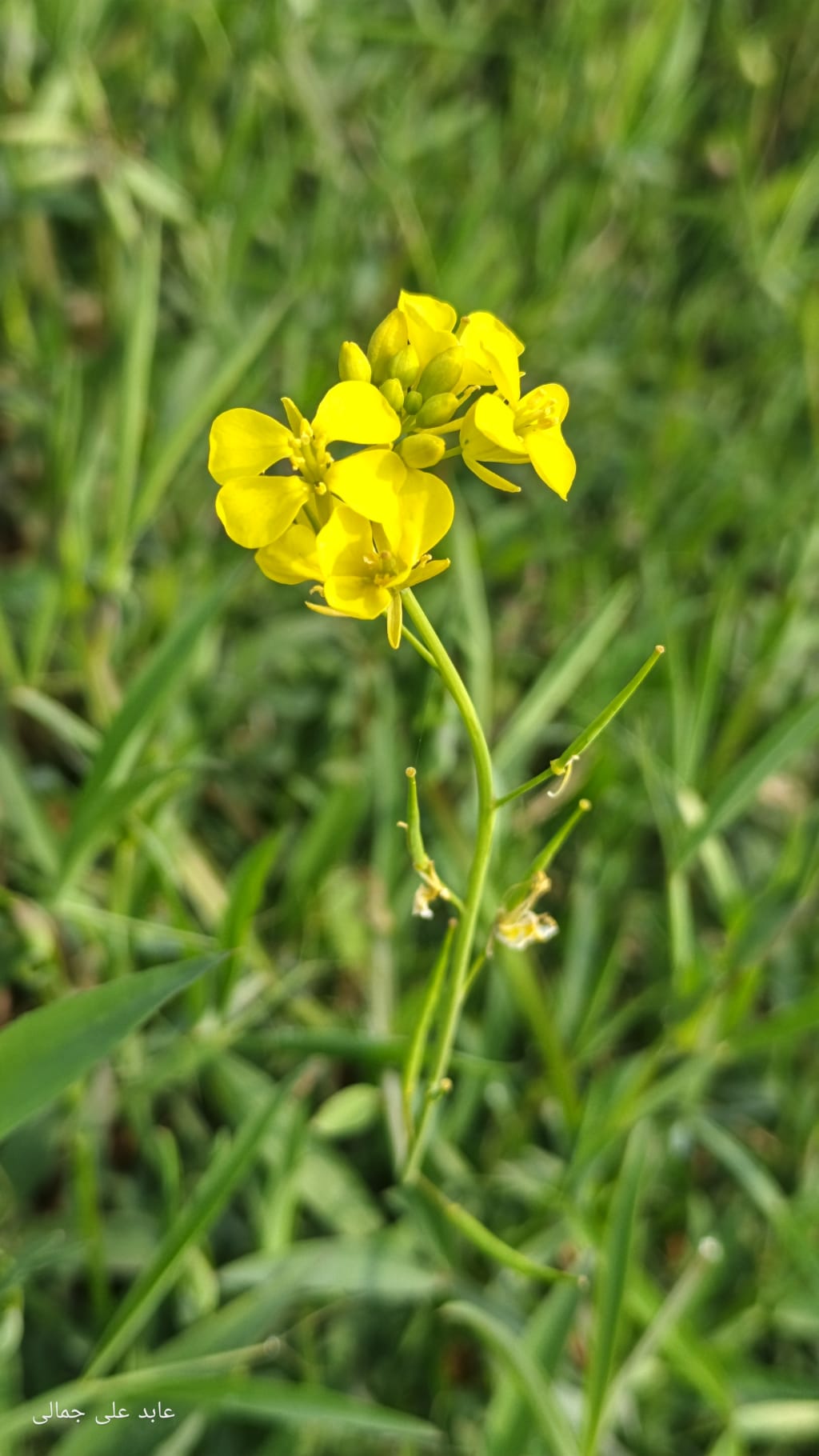
Subtitle
tureironmencultur
Wild mustard, commonly known as charlock (Sinapis arvensis), is one of those plants that divides opinion. To farmers, it is often seen as a stubborn weed that invades crops and competes for nutrients. To botanists, foragers, and historians, it is a fascinating species with deep agricultural roots, ecological importance, and even culinary potential. Found across Europe, Asia, North Africa, and now widely naturalized in North America and other regions, wild mustard has quietly shaped landscapes and livelihoods for centuries.
What Is Wild Mustard (Charlock)?
Wild mustard is an annual flowering plant belonging to the Brassicaceae family, the same family that includes cabbage, broccoli, canola, and cultivated mustard. It typically grows between one and three feet tall, with coarse, bristly stems and bright yellow, four-petaled flowers that bloom from spring through early summer. Its seed pods, known as siliques, contain small round seeds that can remain viable in soil for many years, contributing to the plant’s persistence.
Charlock thrives in disturbed soils, which explains why it is so commonly found in agricultural fields, roadsides, and wastelands. Wheat, barley, and other cereal crops are particularly vulnerable to invasion, making wild mustard a long-standing challenge in farming communities.
A Weed With a Long History
Despite its reputation as a nuisance, wild mustard has a rich historical background. Archaeological evidence suggests that wild mustard seeds were consumed by early human societies long before domesticated mustard varieties were developed. In ancient times, the plant was valued for its medicinal properties, believed to stimulate digestion and improve circulation.
During periods of famine in medieval Europe, wild mustard leaves and seeds were sometimes used as emergency food sources. Its resilience meant that even when crops failed, charlock could still be found growing in the fields, offering a last resort for survival.
Ecological Role and Biodiversity
From an ecological perspective, wild mustard plays an important role. Its bright yellow flowers are a valuable nectar source for pollinators, including bees and butterflies, especially early in the growing season when fewer plants are in bloom. In this way, charlock contributes to local biodiversity and supports insect populations that are vital to healthy ecosystems.
However, its aggressive growth can also reduce plant diversity in agricultural areas. When left unmanaged, wild mustard can outcompete native plants and crops, altering soil nutrient balances and reducing yields. This dual role—beneficial to ecosystems but problematic for agriculture—makes it a complex species to manage.
Agricultural Impact and Control
For farmers, wild mustard is considered a competitive broadleaf weed. It grows rapidly, absorbs large amounts of nitrogen, and can significantly reduce crop yields if not controlled. In cereal fields, even low densities of charlock can lead to economic losses.
Modern agriculture relies on a combination of methods to manage wild mustard, including crop rotation, mechanical weeding, and selective herbicides. However, the plant has shown an ability to develop resistance to certain herbicides, making control increasingly challenging. This has renewed interest in integrated weed management approaches that balance productivity with environmental sustainability.
Nutritional and Culinary Uses
Interestingly, wild mustard is edible, though caution is required. Young leaves can be cooked like spinach or added to soups, offering a peppery flavor similar to cultivated mustard greens. The seeds, when properly processed, can be used to make a rustic mustard condiment.
Nutritionally, wild mustard greens are rich in vitamins A, C, and K, as well as antioxidants and minerals. In traditional herbal medicine, parts of the plant have been used to promote digestion and relieve muscle pain. However, excessive consumption, especially of seeds, is not recommended, as they contain compounds that can be irritating or toxic in large quantities.
Wild Mustard in Modern Times
In recent years, wild mustard has gained attention beyond agriculture. Foragers and proponents of wild foods see charlock as an example of an undervalued edible plant that could contribute to food resilience. Environmentalists study it as part of discussions around invasive species, land use, and sustainable farming.
At the same time, researchers continue to examine its genetic relationship to cultivated mustard and canola crops. Understanding these connections could help improve crop breeding and weed control strategies in the future.
A Plant of Contradictions
Wild mustard, or charlock, is a plant full of contradictions. It is a weed that farmers battle relentlessly, yet it is also a pollinator-friendly flower, a historical food source, and a close relative of some of the world’s most important vegetables. Its ability to thrive in harsh conditions serves as a reminder of nature’s adaptability.
As agriculture moves toward more sustainable practices, the story of wild mustard invites a broader conversation. Instead of viewing plants solely as enemies or allies, there is value in understanding their full ecological and historical context. Charlock may never lose its reputation as a troublesome weed, but it undeniably holds a unique place in the natural and agricultural world.
In the end, wild mustard is more than just an unwanted guest in the field. It is a survivor, a teacher, and a symbol of the delicate balance between human cultivation and the wild forces of nature.
About the Creator
Keep reading
More stories from Salaar Jamali and writers in The Swamp and other communities.
The Kuwaiti Dinar: Why It Remains the Strongest Currency in the World
When people think about powerful currencies, the U.S. dollar, euro, or British pound often come to mind. Yet, quietly and consistently, the Kuwaiti dinar (KWD) holds the title of the strongest currency in the world. Valued at over 3.25 U.S. dollars per unit, the dinar’s strength is not accidental. It is the result of a carefully balanced economic model built on vast oil wealth, high income levels, and a disciplined exchange rate policy.
By Salaar Jamalia day ago in The Swamp


Comments
There are no comments for this story
Be the first to respond and start the conversation.