
New level of brutality’: Iran doctors put death toll in suppressed uprising at over 16,500
Network of physicians
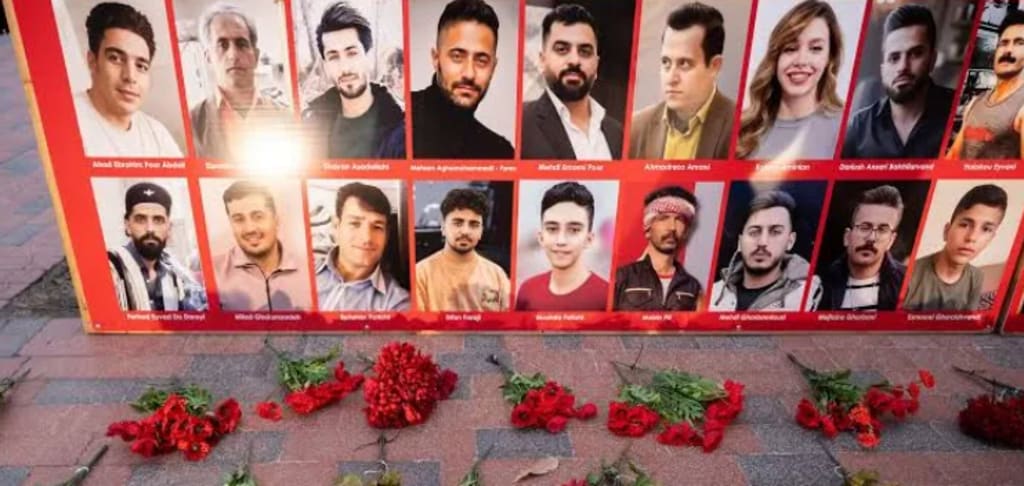
A growing network of Iranian doctors is sounding the alarm over what they describe as an unprecedented scale of violence used to crush a nationwide uprising, estimating that more than 16,500 people may have been killed during months of unrest. Speaking anonymously from inside Iran and in exile, physicians say the official death toll bears little resemblance to what they have witnessed in hospitals, morgues, and makeshift clinics across the country.
Their accounts paint a grim picture: overwhelmed emergency wards, security forces stationed inside hospitals, and medical staff pressured to falsify records or remain silent. Together, these testimonies suggest what one doctor called “a new level of brutality,” not only in the streets but also within the healthcare system itself.
A shadow network emerges
The doctors belong to an informal but increasingly organized network that began sharing information as protests intensified. Using encrypted messaging apps and trusted intermediaries abroad, they compiled casualty data from multiple provinces, cross-checking figures through hospital admissions, death certificates, and reports from families.
According to members of the network, the estimate of more than 16,500 deaths includes protesters, bystanders, and detainees who later died from injuries or alleged mistreatment in custody. Physicians stress that this number is conservative, reflecting only cases they could verify through medical channels.
“We are doctors, not politicians,” said one physician working in a major urban hospital. “Our duty is to record the truth about what we see. And what we see is far worse than what is being acknowledged.”
Hospitals under surveillance
Several doctors described hospitals turning into extensions of the security apparatus. Plainclothes officers reportedly monitored emergency rooms, questioned injured patients, and in some cases removed individuals before treatment was complete. Gunshot wounds, severe head trauma, and internal injuries were common, according to medical staff.
“In some cases, we were told to list causes of death as ‘cardiac arrest’ or ‘accident,’ even when it was obvious the injuries came from live ammunition,” said another doctor, who has since fled the country. Refusing to comply, physicians say, could lead to dismissal, interrogation, or arrest.
Medical ethics, they argue, have been systematically undermined. Ambulances were allegedly blocked from reaching protest areas, while injured demonstrators avoided hospitals altogether for fear of detention, relying instead on clandestine clinics run by volunteers.
Suppression beyond the streets
Human rights advocates say the doctors’ accounts align with a broader pattern of information suppression. Internet blackouts, restrictions on journalists, and threats against families of victims have made independent verification difficult. Official statements have offered significantly lower casualty figures, often attributing deaths to “riots” or foreign interference.
The physicians’ network challenges that narrative by emphasizing the medical evidence. Trauma patterns, they say, indicate widespread use of live rounds, metal pellets, and heavy blunt force. The severity of injuries suggests an intent not just to disperse crowds, but to incapacitate and intimidate.
“This wasn’t crowd control,” said one surgeon. “This was punishment.”
A toll on the healers
The psychological impact on medical workers has been profound. Doctors and nurses report burnout, moral injury, and constant fear. Some have been summoned by authorities and warned against speaking to foreign media. Others have seen colleagues detained after treating high-profile protest cases.
Despite the risks, the network continues its work. Members believe documenting the death toll is essential, both for historical record and for potential future accountability. Several doctors have shared anonymized data with international human rights organizations, hoping it will help spur independent investigations.
Calls for accountability
The physicians are not calling for political change in their statements, but for recognition and accountability. They argue that acknowledging the true scale of the deaths is the first step toward justice for victims and their families.
International medical associations and rights groups have begun echoing these concerns, urging protections for healthcare workers and demanding access for independent observers. Whether such calls will lead to concrete action remains uncertain.
For now, the doctors’ network continues to operate in the shadows, bound by a shared professional oath and a collective sense of responsibility.
About the Creator
Keep reading
More stories from Aqib Hussain and writers in The Swamp and other communities.
Trump’s Tariff Threats Hit European Markets
Global markets thrive on stability, predictability, and trust. When any of those pillars wobble, investors react fast — and often harshly. That’s exactly what’s happening across Europe as former U.S. President Donald Trump’s renewed tariff threats send shockwaves through financial markets, corporate boardrooms, and diplomatic circles alike.
By Aqib Hussainabout 21 hours ago in The Swamp
Canada and China Reach Initial Trade Deal on Electric Vehicles and Canola
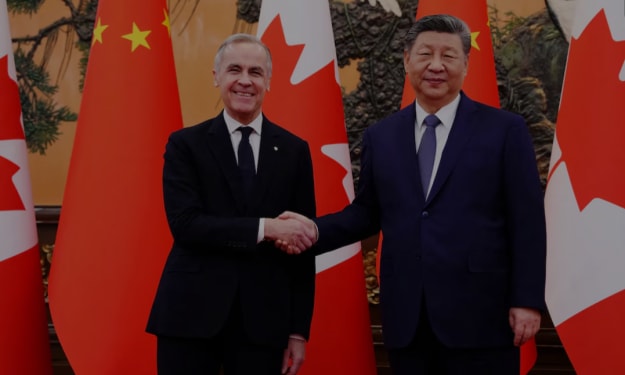
After years of strained relations and trade uncertainty, Canada and China have reached an initial trade agreement focused on two strategically important sectors: electric vehicles (EVs) and canola. While limited in scope, the deal marks a notable step toward stabilizing economic ties between the two countries at a time when global trade is increasingly shaped by geopolitics, supply-chain risks, and climate goals. Officials on both sides have described the agreement as preliminary rather than comprehensive, but its symbolism carries weight. For Canada’s farmers and clean-technology sector — and for China’s rapidly expanding EV market — the deal offers cautious optimism. Why This Deal Matters Now Relations between Canada and China have been tense for much of the past decade, affected by diplomatic disputes, trade restrictions, and growing mistrust between Western nations and Beijing. Agriculture and technology, in particular, have often been caught in the crossfire. Canola has long been a flashpoint. Canada is one of the world’s largest producers and exporters of the crop, while China is one of its most important markets. Past trade disruptions severely affected Canadian farmers, forcing Ottawa to seek alternative buyers. At the same time, electric vehicles have emerged as a new frontier of economic competition. China dominates global EV manufacturing, while Canada is positioning itself as a critical supplier of batteries, minerals, and clean-energy manufacturing. This deal reflects a shared recognition: economic realities are pushing both sides toward cooperation, even amid political differences. What the Agreement Covers While full details have not yet been released, officials confirm that the agreement addresses two key areas: 1. Canola Market Access China has signaled a willingness to ease restrictions on Canadian canola exports, addressing long-standing concerns from Canadian farmers and exporters. Improved access could help stabilize prices and restore confidence in one of Canada’s most valuable agricultural sectors. For producers in provinces like Saskatchewan and Alberta, this represents a potential economic lifeline after years of uncertainty. 2. Electric Vehicles and Clean Technology The deal also opens the door to cooperation in the EV sector. This includes trade discussions around electric vehicles, batteries, and related clean-energy components. Canada has been investing heavily in EV supply chains — from lithium and nickel mining to battery manufacturing — while China remains the world’s largest EV market and producer. The agreement suggests opportunities for investment, technology exchange, and supply-chain collaboration, though significant barriers remain. A Strategic Shift Toward Economic Pragmatism Rather than signaling a full reset in relations, the deal reflects a pragmatic shift. Canadian officials have emphasized that engagement does not mean abandoning concerns over human rights, national security, or foreign interference. Instead, the approach suggests that selective economic cooperation can coexist with political caution. China, meanwhile, benefits from reliable agricultural imports and diversified supply chains at a time when trade relations with the United States and parts of Europe remain strained. In short, both sides appear motivated by mutual economic interest rather than political alignment. Implications for Canadian Farmers For Canada’s agricultural sector, the canola portion of the deal is especially significant. China has historically been one of the largest buyers of Canadian canola, and past restrictions led to financial losses and market instability. Re-entry into the Chinese market could: Increase export volumes Improve farm incomes Reduce dependence on alternative, less predictable markets However, farm groups remain cautious. Many remember how quickly access was lost in the past and are urging the government to diversify export markets rather than rely too heavily on any single buyer. What It Means for the EV Industry The inclusion of electric vehicles highlights how trade priorities are shifting globally. Canada has positioned itself as a future EV powerhouse, leveraging its reserves of critical minerals and close proximity to U.S. manufacturing hubs. China, meanwhile, leads in EV production, battery technology, and consumer adoption. The deal could allow Canadian companies greater access to Chinese markets or supply chains, while Chinese firms may seek investment or partnerships in Canada’s growing clean-tech ecosystem. Still, challenges remain. National security concerns, investment screening rules, and political scrutiny mean that any deeper EV cooperation will be carefully managed. Political Reactions and Caution Reaction in Canada has been mixed. Supporters argue that the deal demonstrates responsible diplomacy — protecting jobs and industries without escalating tensions. Critics warn that economic engagement with China carries risks, particularly in strategically sensitive sectors like clean technology. Opposition parties have called for transparency, urging the government to clearly outline safeguards and ensure Canadian interests are protected. In China, state media has framed the agreement as evidence that cooperation remains possible despite global polarization — a narrative that emphasizes stability and economic growth. A Limited Deal, Not a Full Reset It’s important to note what this agreement does not do. It does not resolve broader diplomatic disputes, nor does it eliminate trade risks overnight. Instead, it establishes a framework for dialogue and incremental progress. Analysts describe it as a confidence-building step — one that tests whether limited cooperation can succeed without triggering political backlash on either side. If successful, it could pave the way for expanded talks in other sectors. If tensions resurface, it may remain an isolated exception. Global Context: Trade in a Fragmented World This deal comes amid a global shift toward strategic trade. Countries are increasingly prioritizing supply-chain security, climate goals, and economic resilience over pure free-market efficiency. In this environment, selective bilateral agreements are becoming more common. Canada’s move reflects an attempt to balance values, alliances, and economic necessity — a challenge facing many middle-power economies navigating rivalry between global giants. Final Thoughts The initial trade deal between Canada and China on electric vehicles and canola is modest in scope but significant in meaning. It signals that, despite deep political differences, economic pragmatism still has a place in international relations. For farmers, manufacturers, and policymakers alike, the agreement offers cautious hope — paired with a clear reminder that diversification and vigilance remain essential. Whether this deal marks the beginning of a broader thaw or remains a narrow exception will depend on how both sides manage trust, transparency, and the inevitable pressures of geopolitics in the months ahead.
By Muhammad Hassan4 days ago in The Swamp
Wild Card Weekend Recap: What Happens Now?
I think I figured out why I love Wild Card Weekend so much. It's because it's the first playoff anything of the calendar year. The NFL season starts in the fall, and once upon a time, the champion was crowned either on or slightly before New Year's. The evolution of the NFL schedule has resulted in the playoffs starting just into the New Year, and currently, the final week of the season falls on the first weekend of the New Year, with Wild Card Weekend coming a week after that. So yes, chronologically, the NFL's Wild Card Weekend serves as the first playoff anything of the calendar year.
By Clyde E. Dawkins7 days ago in Unbalanced



Comments
There are no comments for this story
Be the first to respond and start the conversation.