
The Crisis of Homeless Refugees in England: A Growing Challenge
The BBC Report Reveals an Alarming Increase in the Number of Homeless Refugees, Highlighting Gaps in the UK's Housing and Social Support Systems
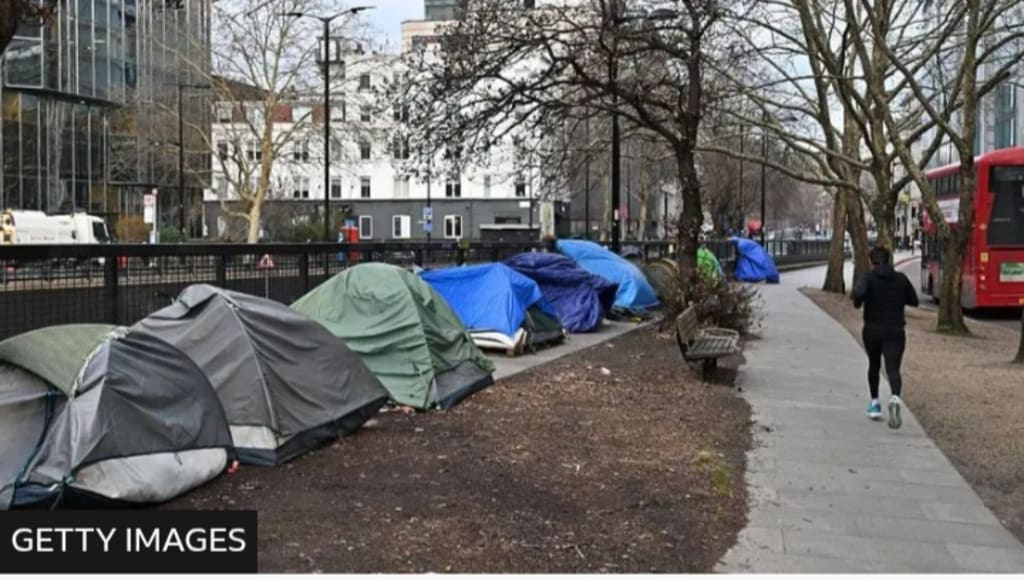
In recent years, the number of homeless refugees in England has surged at an alarming rate, a crisis that has been brought to light by the BBC’s investigative report. The report, which delves into the state of homelessness among refugees, paints a bleak picture of a growing problem that threatens to undermine the very foundations of the UK's welfare system. Despite the government's commitment to providing sanctuary to those fleeing war, persecution, and poverty, many refugees are finding themselves without a roof over their heads, struggling to survive on the streets.
The Scale of the Crisis
The BBC's findings show that thousands of refugees are being left to fend for themselves after being granted asylum in the UK. Official statistics indicate a sharp increase in the number of refugees without stable accommodation, with many being forced to live in temporary shelters, hotels, or even on the streets. Experts warn that this problem is only going to worsen in the coming years if immediate steps are not taken to address the root causes.
This situation is not only a humanitarian crisis but also a serious reflection of the inefficiencies and gaps within the UK’s social and housing systems. Refugees, often traumatized and vulnerable, are struggling to find adequate housing, employment, and support, even after being legally recognized as asylum seekers. While the government has pledged to support them, the infrastructure to accommodate and integrate refugees is increasingly under strain.
The Role of the Government
The UK government has long prided itself on being a safe haven for those fleeing violence and oppression. However, the BBC’s report suggests that the system designed to assist refugees is overwhelmed, with far too few resources allocated for their long-term care and accommodation. Many refugees face prolonged delays in securing permanent housing due to bureaucratic inefficiencies and the lack of available affordable housing.
One of the most concerning findings is the increasing reliance on emergency accommodations such as hotels and temporary shelters, which are not suitable for long-term living. These environments often lack basic amenities and are rife with issues like overcrowding, insecurity, and inadequate support for mental health and social integration. For refugees who have already faced unimaginable trauma, the additional strain of homelessness can have severe consequences on their well-being and ability to rebuild their lives.
The Impact on Refugees
The impact of homelessness on refugees is profound and multifaceted. Many of these individuals have fled conflict zones and oppressive regimes, only to find themselves without stability or a sense of security in the UK. The stress of homelessness exacerbates mental health issues such as anxiety, depression, and PTSD, which are all too common among refugees. Additionally, the lack of a permanent address can hinder refugees' ability to access employment, healthcare, and education, further marginalizing them from society.
Living without a fixed address also poses significant challenges in terms of legal and bureaucratic matters. Refugees often need a permanent address to receive important documents, access social services, or even apply for jobs. Without these basic provisions, many refugees are trapped in a cycle of poverty and isolation, with limited opportunities for a better future.
The Strain on Local Communities
Local councils across the UK are facing significant pressure as they attempt to manage the growing number of homeless refugees. Many councils have reported that they are unable to provide adequate housing and support due to financial constraints and a lack of available properties. As a result, refugees are often placed in temporary accommodations far from their support networks, further isolating them from any community or social services they might need.
The increasing demand for housing also places a strain on already overburdened social services, which are often struggling to meet the needs of both refugees and the local population. This can lead to tensions in communities, as both refugees and existing residents compete for limited resources. While most communities are welcoming, the lack of sufficient support can fuel resentment and division, making the task of integrating refugees into British society even more challenging.
The Role of Charities and NGOs
In the face of these systemic challenges, charitable organizations and non-governmental organizations (NGOs) have stepped in to fill the gaps. Many have been providing emergency accommodation, food, and support services to homeless refugees, often working in collaboration with local councils. These organizations play a crucial role in offering immediate relief, but they are often stretched thin and reliant on donations and volunteers to sustain their work.
Charities also provide critical advocacy, pushing for policy changes that will improve the conditions for refugees and ensure that their needs are addressed by the government. However, despite their best efforts, these organizations cannot replace the structural support and resources that the government should be providing.
Calls for Reform
The growing crisis of homeless refugees in England has sparked calls for urgent reform in the way the government approaches refugee accommodation and integration. Advocates argue that the UK must invest in affordable housing, streamline bureaucratic processes, and provide better long-term support for refugees to prevent them from falling into homelessness.
Furthermore, many experts emphasize the need for a more holistic approach to refugee resettlement, one that includes access to healthcare, education, language support, and job training. Such measures would not only help refugees rebuild their lives but would also contribute to the broader social and economic fabric of the UK. A well-integrated refugee population can bring diverse talents, perspectives, and skills, ultimately enriching British society.
Conclusion
The sharp rise in homeless refugees in England is a stark reminder of the challenges the UK faces in providing adequate support for those fleeing persecution and war. While the government’s response to the refugee crisis has been mixed, the situation calls for a comprehensive approach to addressing homelessness among refugees. This should include increased investment in affordable housing, better integration programs, and a commitment to ensuring that refugees are not left behind in a system that is supposed to protect them. Only by tackling these issues head-on can the UK fulfill its promise to be a beacon of hope for the world’s most vulnerable people.
About the Creator
Keep reading
More stories from Ayesha Lashari and writers in The Swamp and other communities.
The U.S. Healthcare System: A Divided Approach to Reform
The healthcare system in the United States is undeniably one of the most complex in the world. Despite being one of the wealthiest nations globally, the U.S. continues to grapple with inefficiencies, skyrocketing costs, and unequal access to care. This state of affairs has led to an urgent and ongoing debate about how to fix the healthcare system. Yet, for all the discussions, there is no clear or unified solution. Political polarization, differing ideologies, and vested interests have resulted in an inability to reach a consensus on a pathway forward.
By Ayesha Lashari3 days ago in The Swamp
Why Black History Matters in America?
The United States of America is celebrating their 250th anniversary in 2026. I'm proud to be an American and as someone who was born here, I wouldn't imagine myself living anywhere else. This is a country where opportunities are possible. Where anyone can be successful in anything they desire to do. Equality, community, and togetherness are the backbones of what America is and should be about. However, we have an administration who wants to erase and disregard those who have made positive, meaningful impacts in our country, specifically Black figures, such as Martin Luther King, Jr., Rosa Parks, and Maya Angelou. President Trump and his administration have been constantly complaining and fighting against what they call the "Woke agenda". They use this excuse as a distraction from other issues they refuse to address, such as the high cost of living, climate change, and inflation. That equality is dividing America, when in reality, it's bringing us together. Being woke is not tied to a specific political party. No matter where you stand on the political spectrum, you can still care about other people and their plights. Compassion and empathy for others isn't tied to a political party, either. We were taught as children to treat others the way we want to be treated and not judge others because they're different from us. Caring about others isn't a personal attack on your beliefs. It doesn't make you any less of a person. People who are easily offended over African American figures, past or present, or anything related to it, are grasping at straws. Current and future generations need to know who people like Harriet Tubman and Shirley Chisholm were, especially in the classroom. Black History is part of American History. It should be recognized, not hidden or forgotten. Besides, you can't shield children from everything, just because your feelings are easily hurt.
By Mark Wesley Pritchard 7 days ago in The Swamp


Comments
There are no comments for this story
Be the first to respond and start the conversation.