
NASA to Allow Astronauts to Use Personal iPhones on Missions
The policy update reflects changes in spacecraft systems, cybersecurity standards, and daily communication needs aboard the International Space Station.

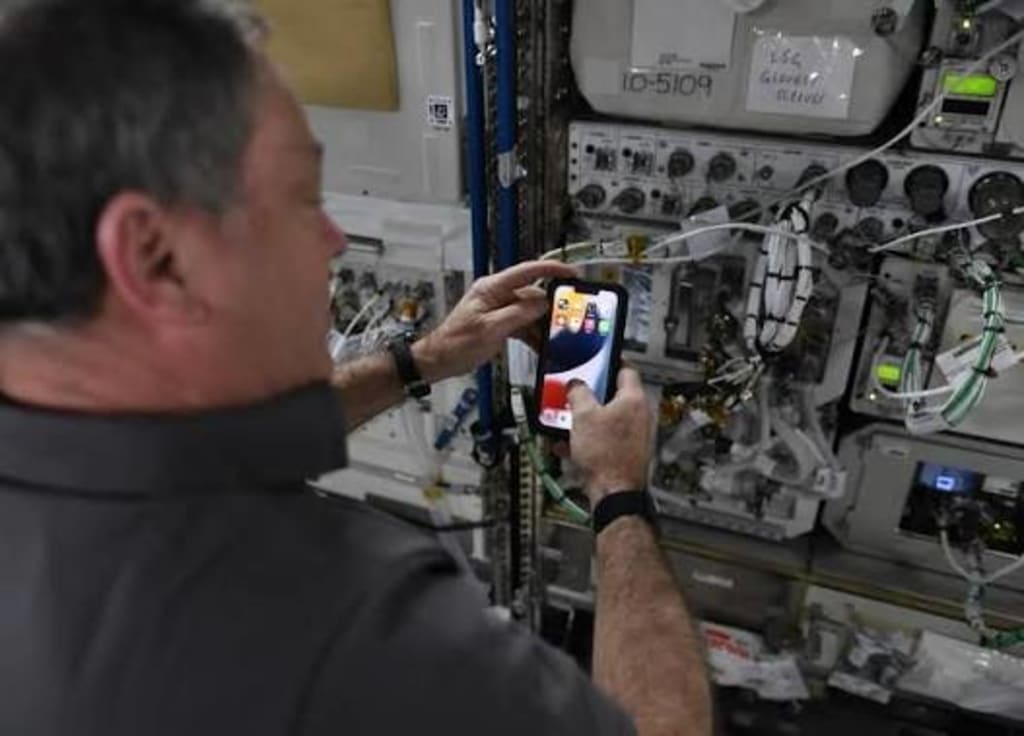
NASA Updates Longstanding Device Policy
NASA has confirmed that astronauts will now be allowed to bring personal iPhones on missions, marking a change in long-standing agency policy on personal electronic devices in space. The update reflects improvements in onboard systems, cybersecurity controls, and the growing role of consumer technology in professional environments.
Previously, astronauts relied primarily on agency-issued hardware designed specifically for use in microgravity. While limited personal items were allowed, smartphones were restricted due to concerns around security, interference, and compatibility with spacecraft systems.
Why Phones Were Previously Restricted
For decades, NASA maintained tight control over electronic devices aboard spacecraft. Any hardware taken into orbit had to meet strict safety standards related to power consumption, radiation exposure, electromagnetic interference, and fire risk.
Smartphones posed challenges in several of these areas. Lithium-ion batteries required special approval, wireless communication raised concerns about interference, and consumer operating systems introduced cybersecurity risks that were difficult to isolate from mission-critical networks.
As a result, astronauts were issued specialized laptops and communication tools approved through NASA’s hardware certification process.
---
What Has Changed
Advances in spacecraft design and onboard network architecture have made it easier to separate personal devices from mission systems. Modern space stations and spacecraft use segmented networks that limit device access and prevent unauthorized connections to flight-critical infrastructure.
NASA officials stated that personal iPhones will operate on isolated networks, with restrictions on wireless capabilities when required. The devices will not be connected to systems that control navigation, life support, or spacecraft operations.
---
Security and Cyber Controls
Cybersecurity remains a central concern for NASA. Before approving personal iPhones, the agency conducted extensive testing to evaluate potential risks. These tests included examining how consumer devices behave in microgravity, how they respond to radiation exposure, and how software updates are managed.
All personal devices will undergo configuration checks before launch. Astronauts must comply with specific security settings, including restrictions on app installations, data sharing, and external connections. Any updates or configuration changes must follow NASA guidelines.
---
Operational Use Versus Personal Use
NASA has emphasized that iPhones are not intended to replace mission hardware. Official work, data collection, and scientific operations will continue to rely on agency-approved systems.
The phones are primarily meant for personal communication, documentation, and limited photography. Astronauts may use them to communicate with family, take personal photos, or record observations unrelated to mission data.
This distinction ensures that mission integrity is maintained while allowing crew members a greater sense of connection to life on Earth.
---
Psychological Benefits for Astronauts
Long-duration missions can place psychological strain on crew members. Maintaining personal connections and routines is considered important for mental health and overall performance.
Allowing astronauts to use personal smartphones aligns with broader efforts to improve quality of life in space. Studies have shown that familiar tools and communication methods can reduce stress and improve morale during extended missions.
NASA has increasingly incorporated these findings into crew support policies.
---
Implications for Future Missions
The policy change may have implications beyond the International Space Station. Future missions to the Moon and Mars will involve longer durations and increased isolation from Earth.
Allowing personal devices could play a role in maintaining crew well-being during these missions. However, NASA has indicated that any extension of this policy will depend on mission design, communication delays, and system constraints.
Deep-space missions may still require stricter controls due to limited bandwidth and higher radiation exposure.
---
Testing Devices in Space Conditions
Before approving iPhones for use, NASA conducted tests to ensure the devices could function safely in space. These tests included assessments of battery performance, thermal behavior, and touchscreen usability in microgravity.
Astronauts have previously used tablets and laptops with similar hardware components, providing valuable data on how consumer electronics behave in orbit. The results supported the decision to allow limited use of smartphones.
---
Comparison With Other Space Agencies
NASA is not the first space agency to relax restrictions on personal electronics. Other international partners have allowed limited use of personal devices under controlled conditions.
However, NASA’s approach remains cautious. The agency continues to prioritize mission safety and system integrity over convenience. The approval of iPhones reflects confidence in existing safeguards rather than a shift toward unrestricted device use.
---
Managing Wireless Connectivity
One of the main challenges in allowing smartphones aboard spacecraft is managing wireless signals. Wi-Fi and Bluetooth connections must be carefully controlled to avoid interference.
NASA has implemented protocols that limit when and how wireless features can be used. In some situations, wireless functions may be disabled entirely. These controls are enforced through both software settings and crew procedures.
---
Data Privacy Considerations
Allowing personal devices raises questions about data privacy and storage. NASA has stated that personal content on iPhones will not be monitored, provided devices comply with security requirements.
However, astronauts must follow rules regarding what can be recorded or shared publicly. Sensitive areas, equipment, and operations remain subject to strict documentation policies.
These guidelines are consistent with existing rules for photography and communication from orbit.
---
Impact on Public Engagement
Astronauts often share images and experiences from space, helping engage the public with space exploration. Allowing personal iPhones may increase the amount of informal content shared, though NASA maintains oversight of official communications.
The agency has clarified that any public posts must follow established communication protocols. Personal devices do not change the approval process for releasing mission-related information.
---
Training and Crew Responsibilities
Astronauts will receive training on how to use personal devices within mission guidelines. This includes understanding network limitations, power management, and security responsibilities.
Crew members are expected to manage their devices responsibly and report any issues. Failure to comply with device policies could result in restrictions on future use.
Training ensures that personal convenience does not interfere with mission operations.
---
Limitations of the Policy
NASA has stressed that the policy does not apply universally to all missions or all devices. Each mission will evaluate device use based on its specific requirements and risks.
Only approved models that meet safety criteria will be allowed. Other personal electronics may remain restricted, depending on their design and potential impact on spacecraft systems.
---
A Gradual Shift in Space Operations
The decision to allow personal iPhones reflects a broader shift in how space agencies integrate consumer technology. As devices become more reliable and secure, they are increasingly considered for use in professional environments.
NASA’s approach demonstrates a balance between modernization and caution. The agency continues to rely on rigorous testing and risk assessment before adopting new practices.
---
Conclusion
NASA’s decision to allow astronauts to bring personal iPhones marks a practical update to longstanding policies. The change is supported by advances in cybersecurity, network isolation, and device testing.
While the phones will not replace mission hardware, they offer personal benefits that support crew well-being. As human spaceflight evolves, such policy adjustments reflect ongoing efforts to adapt to new technology while maintaining strict safety standards.
About the Creator
Saad
I’m Saad. I’m a passionate writer who loves exploring trending news topics, sharing insights, and keeping readers updated on what’s happening around the world.
Why Black History Matters in America?
The United States of America is celebrating their 250th anniversary in 2026. I'm proud to be an American and as someone who was born here, I wouldn't imagine myself living anywhere else. This is a country where opportunities are possible. Where anyone can be successful in anything they desire to do. Equality, community, and togetherness are the backbones of what America is and should be about. However, we have an administration who wants to erase and disregard those who have made positive, meaningful impacts in our country, specifically Black figures, such as Martin Luther King, Jr., Rosa Parks, and Maya Angelou. President Trump and his administration have been constantly complaining and fighting against what they call the "Woke agenda". They use this excuse as a distraction from other issues they refuse to address, such as the high cost of living, climate change, and inflation. That equality is dividing America, when in reality, it's bringing us together. Being woke is not tied to a specific political party. No matter where you stand on the political spectrum, you can still care about other people and their plights. Compassion and empathy for others isn't tied to a political party, either. We were taught as children to treat others the way we want to be treated and not judge others because they're different from us. Caring about others isn't a personal attack on your beliefs. It doesn't make you any less of a person. People who are easily offended over African American figures, past or present, or anything related to it, are grasping at straws. Current and future generations need to know who people like Harriet Tubman and Shirley Chisholm were, especially in the classroom. Black History is part of American History. It should be recognized, not hidden or forgotten. Besides, you can't shield children from everything, just because your feelings are easily hurt.
By Mark Wesley Pritchard 6 days ago in The Swamp
As West goes after Russia’s oil fleet, Moscow fears for its war funding
Western governments have intensified efforts to target Russia’s so-called “shadow fleet” of oil tankers, raising fresh concerns in Moscow that a crucial source of funding for its war effort could be severely disrupted. The campaign, driven by tighter sanctions enforcement and growing international coordination, aims to choke off the revenue Russia earns from exporting crude oil despite existing restrictions. Since the introduction of price caps and shipping sanctions following the invasion of Ukraine, Russia has relied heavily on an informal network of aging tankers operating outside mainstream insurance and regulatory systems. These vessels, often registered under obscure flags and owned through shell companies, have allowed Moscow to continue exporting millions of barrels of oil each day to buyers in Asia, the Middle East, and Africa. Now, Western officials say they are closing loopholes that allowed this fleet to operate with relative impunity. A Critical Revenue Stream Oil and gas sales remain the backbone of Russia’s economy and its largest source of state revenue. According to energy analysts, proceeds from crude exports help finance military operations, weapons procurement, and domestic subsidies designed to cushion the impact of sanctions. “The shadow fleet has been essential to keeping Russia’s oil flowing,” said one European energy policy expert. “If that fleet is significantly disrupted, it will hit Moscow where it hurts most—its ability to fund the war.” Recent measures include stricter monitoring of ship-to-ship transfers, penalties on ports and insurers that assist sanctioned vessels, and expanded blacklists of tanker operators suspected of helping Russia evade the price cap on oil exports. The United States and European Union have also increased intelligence sharing on vessel movements, using satellite tracking and maritime databases to identify suspicious patterns such as tankers switching off transponders or changing flags shortly before entering restricted waters. Moscow’s Growing Anxiety Russian officials have publicly dismissed Western actions as ineffective, but privately there is growing concern that sustained pressure could disrupt export volumes. Several industry insiders say shipping costs have risen sharply in recent months, forcing Russian exporters to offer deeper discounts to buyers willing to accept legal and logistical risks. “This is becoming more expensive and more complicated every month,” said a Moscow-based oil trader. “Insurance is harder to obtain, routes are longer, and vessels are under constant scrutiny.” There are also fears that accidents involving poorly maintained tankers could lead to environmental disasters, prompting international intervention and further restrictions. Many ships in the shadow fleet are more than 20 years old and operate with limited oversight. Russia’s energy ministry has reportedly warned the government that any major interruption in tanker availability could cause bottlenecks at ports and reduce export capacity just as military spending remains high. Western Strategy: Closing the Gaps Western governments say their goal is not to disrupt global oil markets but to limit the revenue Russia earns from each barrel it exports. The price cap mechanism allows Russian oil to be sold only if it remains below a set threshold and uses Western shipping and insurance services. However, Moscow’s workaround—using non-Western tankers and insurers—has blunted the policy’s effectiveness. The latest push seeks to deter companies and countries from facilitating these arrangements. New sanctions have targeted specific shipping firms in the Middle East and Asia accused of enabling Russian exports. Some ports have begun denying entry to tankers suspected of carrying Russian oil in violation of international rules. “This is about enforcement,” a senior Western official said. “The rules already exist. Now we are making sure they are followed.” Impact on Global Markets Analysts warn that overly aggressive action against the shadow fleet could have unintended consequences for global energy prices. If Russia’s exports drop sharply, supply shortages could push prices higher, affecting consumers worldwide. So far, markets have reacted cautiously, with oil prices fluctuating but not surging dramatically. Much depends on whether Russia can find alternative shipping arrangements or whether buyers such as India and China will continue purchasing Russian crude despite increased scrutiny. “These countries are walking a fine line,” said an energy economist. “They want cheap oil, but they don’t want to be caught in the middle of a sanctions enforcement campaign.” Russia’s Countermeasures In response, Moscow has accelerated efforts to build its own maritime insurance systems and expand cooperation with non-Western partners. Officials are also exploring the purchase of additional tankers through intermediaries and strengthening ties with shipping companies in countries that have not joined sanctions. Some Russian lawmakers have called for more state control over oil exports, arguing that national security requires tighter oversight of transport and sales. At the same time, the Kremlin is promoting alternative payment systems and trade in local currencies to reduce reliance on the dollar and euro. These moves are part of a broader strategy to insulate Russia’s economy from Western pressure. A Test of Endurance The battle over Russia’s oil fleet underscores the central role energy plays in the conflict. For Ukraine’s allies, restricting oil revenue is seen as one of the most effective non-military tools to weaken Moscow’s ability to sustain the war. For Russia, maintaining exports is vital not only economically but politically, as domestic stability depends on continued government spending. “This is becoming a war of logistics and finance as much as of weapons,” said a security analyst. “Whoever controls the flow of money and fuel will have a major advantage.” Uncertain Future As Western scrutiny tightens, the future of Russia’s shadow fleet looks increasingly uncertain. More vessels may be seized, denied insurance, or blocked from ports. Accidents or legal challenges could further disrupt operations. Yet Russia has repeatedly shown an ability to adapt to sanctions, finding new routes and partners when old ones are closed. For now, the struggle continues on the high seas, where tankers quietly carry the resources that help sustain a distant battlefield. Whether Western pressure can truly cut off this lifeline remains one of the most important economic questions of the war. What is clear is that the fight over Russia’s oil fleet has become a central front in the broader effort to limit Moscow’s capacity to finance its military campaign—and the outcome will shape not only the conflict but also the future of global energy trade.
By Fiaz Ahmed Brohi3 days ago in The Swamp


Comments
There are no comments for this story
Be the first to respond and start the conversation.