
As West goes after Russia’s oil fleet, Moscow fears for its war funding
Tighter sanctions target shadow tankers that keep Russian crude flowing Crackdown on oil shipping threatens a vital source of revenue for the Kremlin Western enforcement effort aims to choke off funds for Russia’s war effort Growing pressure on maritime networks exposes vulnerabilities in Moscow’s export system Battle over tanker routes becomes a new front in the economic war with Russia

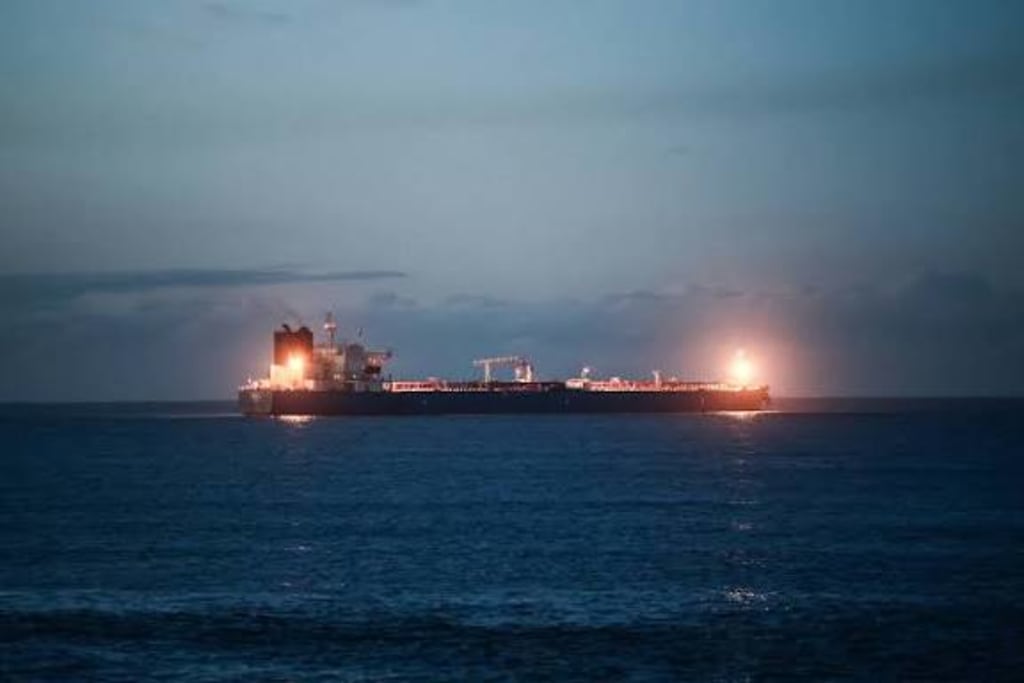
Western governments have intensified efforts to target Russia’s so-called “shadow fleet” of oil tankers, raising fresh concerns in Moscow that a crucial source of funding for its war effort could be severely disrupted. The campaign, driven by tighter sanctions enforcement and growing international coordination, aims to choke off the revenue Russia earns from exporting crude oil despite existing restrictions.
Since the introduction of price caps and shipping sanctions following the invasion of Ukraine, Russia has relied heavily on an informal network of aging tankers operating outside mainstream insurance and regulatory systems. These vessels, often registered under obscure flags and owned through shell companies, have allowed Moscow to continue exporting millions of barrels of oil each day to buyers in Asia, the Middle East, and Africa.
Now, Western officials say they are closing loopholes that allowed this fleet to operate with relative impunity.
A Critical Revenue Stream
Oil and gas sales remain the backbone of Russia’s economy and its largest source of state revenue. According to energy analysts, proceeds from crude exports help finance military operations, weapons procurement, and domestic subsidies designed to cushion the impact of sanctions.
“The shadow fleet has been essential to keeping Russia’s oil flowing,” said one European energy policy expert. “If that fleet is significantly disrupted, it will hit Moscow where it hurts most—its ability to fund the war.”
Recent measures include stricter monitoring of ship-to-ship transfers, penalties on ports and insurers that assist sanctioned vessels, and expanded blacklists of tanker operators suspected of helping Russia evade the price cap on oil exports.
The United States and European Union have also increased intelligence sharing on vessel movements, using satellite tracking and maritime databases to identify suspicious patterns such as tankers switching off transponders or changing flags shortly before entering restricted waters.
Moscow’s Growing Anxiety
Russian officials have publicly dismissed Western actions as ineffective, but privately there is growing concern that sustained pressure could disrupt export volumes. Several industry insiders say shipping costs have risen sharply in recent months, forcing Russian exporters to offer deeper discounts to buyers willing to accept legal and logistical risks.
“This is becoming more expensive and more complicated every month,” said a Moscow-based oil trader. “Insurance is harder to obtain, routes are longer, and vessels are under constant scrutiny.”
There are also fears that accidents involving poorly maintained tankers could lead to environmental disasters, prompting international intervention and further restrictions. Many ships in the shadow fleet are more than 20 years old and operate with limited oversight.
Russia’s energy ministry has reportedly warned the government that any major interruption in tanker availability could cause bottlenecks at ports and reduce export capacity just as military spending remains high.
Western Strategy: Closing the Gaps
Western governments say their goal is not to disrupt global oil markets but to limit the revenue Russia earns from each barrel it exports. The price cap mechanism allows Russian oil to be sold only if it remains below a set threshold and uses Western shipping and insurance services.
However, Moscow’s workaround—using non-Western tankers and insurers—has blunted the policy’s effectiveness. The latest push seeks to deter companies and countries from facilitating these arrangements.
New sanctions have targeted specific shipping firms in the Middle East and Asia accused of enabling Russian exports. Some ports have begun denying entry to tankers suspected of carrying Russian oil in violation of international rules.
“This is about enforcement,” a senior Western official said. “The rules already exist. Now we are making sure they are followed.”
Impact on Global Markets
Analysts warn that overly aggressive action against the shadow fleet could have unintended consequences for global energy prices. If Russia’s exports drop sharply, supply shortages could push prices higher, affecting consumers worldwide.
So far, markets have reacted cautiously, with oil prices fluctuating but not surging dramatically. Much depends on whether Russia can find alternative shipping arrangements or whether buyers such as India and China will continue purchasing Russian crude despite increased scrutiny.
“These countries are walking a fine line,” said an energy economist. “They want cheap oil, but they don’t want to be caught in the middle of a sanctions enforcement campaign.”
Russia’s Countermeasures
In response, Moscow has accelerated efforts to build its own maritime insurance systems and expand cooperation with non-Western partners. Officials are also exploring the purchase of additional tankers through intermediaries and strengthening ties with shipping companies in countries that have not joined sanctions.
Some Russian lawmakers have called for more state control over oil exports, arguing that national security requires tighter oversight of transport and sales.
At the same time, the Kremlin is promoting alternative payment systems and trade in local currencies to reduce reliance on the dollar and euro. These moves are part of a broader strategy to insulate Russia’s economy from Western pressure.
A Test of Endurance
The battle over Russia’s oil fleet underscores the central role energy plays in the conflict. For Ukraine’s allies, restricting oil revenue is seen as one of the most effective non-military tools to weaken Moscow’s ability to sustain the war. For Russia, maintaining exports is vital not only economically but politically, as domestic stability depends on continued government spending.
“This is becoming a war of logistics and finance as much as of weapons,” said a security analyst. “Whoever controls the flow of money and fuel will have a major advantage.”
Uncertain Future
As Western scrutiny tightens, the future of Russia’s shadow fleet looks increasingly uncertain. More vessels may be seized, denied insurance, or blocked from ports. Accidents or legal challenges could further disrupt operations.
Yet Russia has repeatedly shown an ability to adapt to sanctions, finding new routes and partners when old ones are closed.
For now, the struggle continues on the high seas, where tankers quietly carry the resources that help sustain a distant battlefield. Whether Western pressure can truly cut off this lifeline remains one of the most important economic questions of the war.
What is clear is that the fight over Russia’s oil fleet has become a central front in the broader effort to limit Moscow’s capacity to finance its military campaign—and the outcome will shape not only the conflict but also the future of global energy trade.
About the Creator
Fiaz Ahmed Brohi
I am a passionate writer with a love for exploring and creating content on trending topics. Always curious, always sharing stories that engage and inspire.
Keep reading
More stories from Fiaz Ahmed Brohi and writers in The Swamp and other communities.
Japan’s record-breaking snowfalls – in pictures
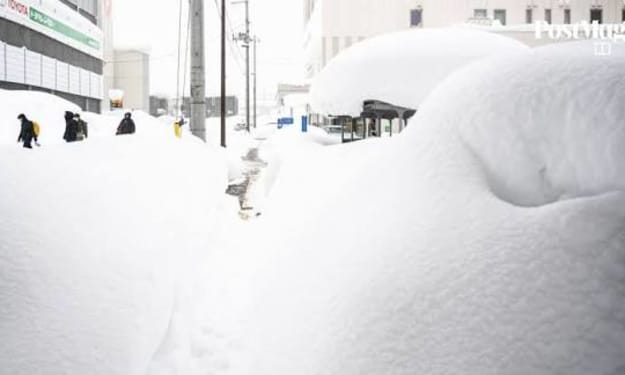
Japan is enduring one of its harshest winters in decades as record-breaking snowfall blankets large parts of the country, creating scenes of striking beauty while causing serious disruption to daily life. From the snow-laden rooftops of rural villages to frozen city streets, images captured across the nation reveal both the power of nature and the resilience of communities facing extreme weather. Meteorological authorities confirmed that snowfall levels in several northern and western prefectures have surpassed historical records, with some regions receiving more than three meters of snow in less than a week. The most heavily affected areas include Niigata, Toyama, Fukui, and parts of Hokkaido, where persistent storms driven by cold Siberian air masses have combined with moisture from the Sea of Japan to produce relentless downpours of snow. Photographs from these regions show entire neighborhoods transformed into narrow corridors between towering snowbanks. Cars are buried almost completely, and only the tops of road signs and fences remain visible. In mountain towns, residents have been forced to carve tunnels through snow just to reach shops and medical facilities. Daily Life Under Heavy Snow In cities such as Niigata and Kanazawa, commuters struggled to navigate icy pavements and snow-clogged streets. Rail services were delayed or suspended as crews worked around the clock to clear tracks. Airports in northern Japan reported dozens of flight cancellations due to reduced visibility and hazardous runway conditions. Rural communities faced even greater challenges. Several villages were temporarily isolated after mountain roads became impassable. Local governments dispatched emergency teams to deliver food, fuel, and medical supplies to residents cut off by the storms. One widely shared photograph shows elderly residents working together to shovel snow from the roof of a traditional wooden house. Authorities have warned that clearing rooftops is particularly dangerous due to the risk of falls and collapsing structures, yet many households have little choice as the weight of snow threatens buildings. Schools in affected areas closed for several days, while local councils urged people to avoid unnecessary travel. Emergency shelters were prepared for those experiencing power outages or heating failures during the coldest nights. Infrastructure Under Strain Japan’s infrastructure, known for its preparedness against natural disasters, has been tested by the sheer volume of snow. Specialized snow-clearing trains were deployed to keep key rail lines operational. Highway maintenance crews worked in rotating shifts to reopen major routes and prevent accidents. Power companies reported scattered outages after snow-laden tree branches fell onto transmission lines. Hospitals and care facilities implemented contingency plans to ensure staff could reach work safely, sometimes arranging overnight accommodation for essential personnel. Images from the storms highlight the scale of the response: convoys of snowplows pushing through blizzard conditions, soldiers assisting residents with snow removal, and volunteers distributing hot drinks to stranded travelers. Beauty Amid Hardship Despite the disruption, the snowfall has produced scenes of extraordinary beauty that have captivated photographers and social media users worldwide. Iconic temples and shrines appear draped in white, while historic villages such as Shirakawa-go resemble winter postcards with steep-roofed houses crowned by thick layers of snow. In Kyoto and Kanazawa, tourists gathered to photograph snow-covered torii gates and lantern-lit streets glowing softly through falling flakes. Hot spring resorts framed by icy trees became symbols of calm amid the chaos. Ski resorts reported exceptional conditions, with fresh powder drawing winter sports enthusiasts from across the country. However, resort operators warned visitors about avalanche risks and urged strict adherence to safety guidelines. “These images show both sides of winter,” said a Tokyo-based photographer whose work documenting the storms spread widely online. “There is beauty, but also struggle. Each photo represents people trying to live their lives in extreme conditions.” Climate and Weather Patterns Meteorologists explained that the record snowfall was driven by a powerful cold front from Siberia interacting with warm, moisture-rich air over the Sea of Japan. This created repeated snow bands that stalled over the same regions for days. Climate scientists note that while heavy snowfall is common in parts of Japan, the intensity and persistence of this year’s storms raise questions about changing weather patterns. Warmer oceans can hold more moisture, increasing the potential for heavy precipitation when cold air systems arrive. “Climate change does not simply mean warmer winters,” said a climate researcher. “It also increases the likelihood of extreme events. When cold air meets higher moisture levels, snowfall can become more intense.” Human Stories of Resilience Among the most compelling images are those showing community spirit. Volunteers helped elderly neighbors clear paths to their homes. Shopkeepers used heaters and hot water to keep entrances open. Children turned snow-covered schoolyards into playgrounds during brief breaks from the storms. One resident in Toyama described waking to find his front door blocked by nearly two meters of snow. “It looked beautiful from the window,” he said. “But then I realized I couldn’t even step outside.” Local authorities launched safety campaigns urging residents to wear protective helmets when clearing snow and to work in pairs whenever possible. Looking Ahead Forecasters warned that further snowfall could occur in the coming days, although temperatures are expected to rise gradually later in the week. The melting snow, combined with rain, could raise the risk of flooding and landslides in vulnerable areas. For now, Japan remains under the grip of a winter that will likely be remembered for its severity. The images captured during these storms serve as a powerful visual record of nature’s force and the human capacity to adapt. As cameras continue to document snow-covered streets, temples, and villages, they tell a story not only of record-breaking weather but also of endurance, cooperation, and the fragile balance between beauty and danger in one of the world’s most winter-hardened nations.
By Fiaz Ahmed Brohi3 days ago in The Swamp
Why Black History Matters in America?
The United States of America is celebrating their 250th anniversary in 2026. I'm proud to be an American and as someone who was born here, I wouldn't imagine myself living anywhere else. This is a country where opportunities are possible. Where anyone can be successful in anything they desire to do. Equality, community, and togetherness are the backbones of what America is and should be about. However, we have an administration who wants to erase and disregard those who have made positive, meaningful impacts in our country, specifically Black figures, such as Martin Luther King, Jr., Rosa Parks, and Maya Angelou. President Trump and his administration have been constantly complaining and fighting against what they call the "Woke agenda". They use this excuse as a distraction from other issues they refuse to address, such as the high cost of living, climate change, and inflation. That equality is dividing America, when in reality, it's bringing us together. Being woke is not tied to a specific political party. No matter where you stand on the political spectrum, you can still care about other people and their plights. Compassion and empathy for others isn't tied to a political party, either. We were taught as children to treat others the way we want to be treated and not judge others because they're different from us. Caring about others isn't a personal attack on your beliefs. It doesn't make you any less of a person. People who are easily offended over African American figures, past or present, or anything related to it, are grasping at straws. Current and future generations need to know who people like Harriet Tubman and Shirley Chisholm were, especially in the classroom. Black History is part of American History. It should be recognized, not hidden or forgotten. Besides, you can't shield children from everything, just because your feelings are easily hurt.
By Mark Wesley Pritchard 6 days ago in The Swamp


Comments
There are no comments for this story
Be the first to respond and start the conversation.