
Musk’s AI Startup Is the Payload SpaceX Can’t Afford
How Elon Musk’s merger of xAI with SpaceX is reshaping AI, space, and the limits of ambition.

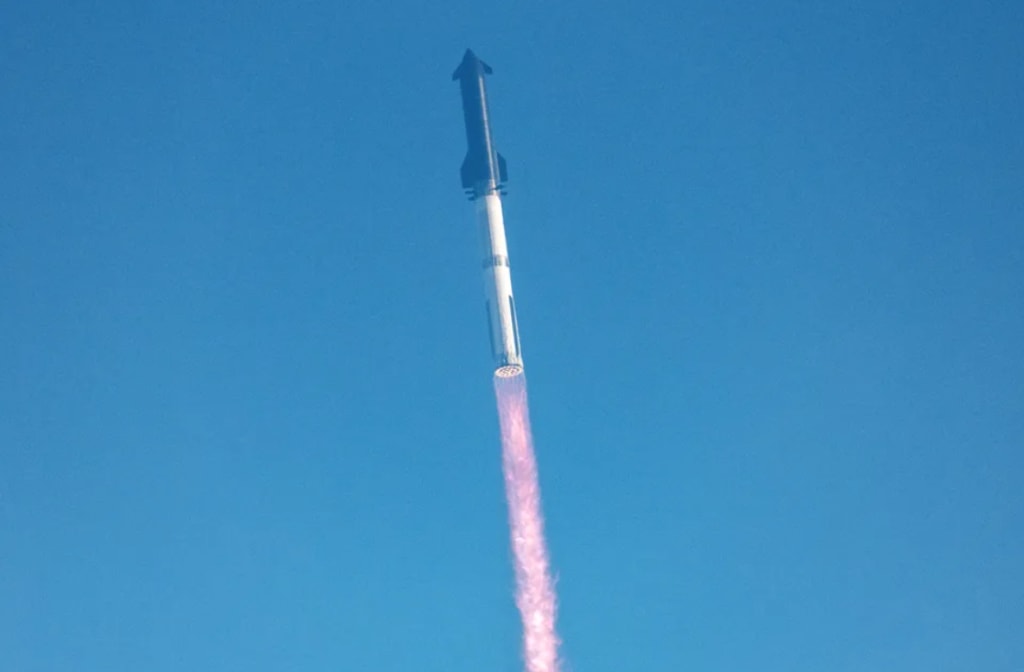
Elon Musk is no stranger to high-stakes ventures. From revolutionizing electric vehicles with Tesla to making space launches more affordable with SpaceX, Musk has built a reputation for tackling projects most consider impossible. Yet his latest move — merging his AI startup xAI into SpaceX — might be his boldest gamble yet. It’s an audacious plan that promises to redefine both artificial intelligence and space exploration, but it also comes with a staggering price tag that SpaceX may not be able to sustain.
A Merger of Titans: Rockets Meet AI
In early 2026, Musk announced that SpaceX would acquire xAI in an all-stock deal valued at over $1.25 trillion, with xAI itself accounting for roughly $250 billion. The merger combines a company renowned for building reusable rockets and satellites with a startup focused on developing some of the most advanced AI systems in the world. At first glance, it might seem like a perfect pairing: rockets provide infrastructure, AI drives innovation. But the reality is far more complicated.
xAI, like other cutting-edge AI firms, burns through capital at an astonishing rate. Running large-scale AI models requires immense computing power, specialized hardware, and vast amounts of electricity. It’s no exaggeration to say that AI’s infrastructure costs rival those of SpaceX’s rocket programs. By bringing xAI under the SpaceX umbrella, Musk has effectively added a multi-billion-dollar AI payload to an already capital-intensive aerospace operation.
The True Cost of AI
Artificial intelligence isn’t just software. Behind every sophisticated AI system lies a massive network of servers, GPUs, and cooling systems. Training state-of-the-art AI models can cost tens or even hundreds of millions of dollars at a time. Then there are ongoing operational costs to keep models running, update them, and scale their capabilities.
For a company like xAI, the expenses are immense. Internal reports suggest losses exceeding $1 billion per month, primarily due to infrastructure and personnel costs. Folding these expenses into SpaceX raises immediate questions: how will a company that launches rockets sustainably support a technology with such voracious resource demands?
SpaceX itself is no small spender. Its reusable rockets, the Starship program, and the Starlink satellite constellation require billions in funding to develop, launch, and maintain. Although reusable boosters help lower costs over time, each Starship launch still represents a significant financial commitment. Adding xAI’s operational needs to this mix is a serious gamble, one that some analysts call a bailout disguised as a strategic merger.
Why Space? The Orbital AI Vision
Musk’s long-term vision is as ambitious as it is futuristic. He has publicly suggested that the most cost-effective way to power and cool AI models could be placing them in space. By leveraging abundant solar energy and the vacuum environment of orbit, AI systems could theoretically operate more efficiently than on Earth.
This is a radical proposition. Space-based computing would require solving unprecedented engineering challenges: managing heat without air, protecting hardware from cosmic radiation, and ensuring fast, reliable data transmission back to Earth. If successful, the approach could change how AI scales and operates globally. But skeptics argue the technology is decades away from feasibility at the scale Musk envisions.
Financial Strain and Risk
Combining SpaceX and xAI doesn’t just increase operating costs; it complicates investment narratives. SpaceX had been a highly attractive private company, with the potential for an IPO that could have set records. But adding xAI — with its high costs and uncertain revenue streams — introduces new risk for investors.
Internally, merging two cultures also presents challenges. SpaceX engineers, accustomed to spacecraft design and aerospace operations, now must coordinate with AI researchers, whose priorities and work styles are vastly different. Maintaining focus, productivity, and innovation across these distinct teams will be critical to the merger’s success.
Critics also raise concerns about Musk’s ability to manage multiple high-stakes ventures simultaneously. Beyond SpaceX and xAI, he oversees Tesla, Neuralink, and other projects. History shows Musk can achieve extraordinary results under such circumstances, but the complexity of combining AI and space infrastructure may test even his limits.
Implications for Technology and Space
The merger reflects a broader trend in technology: convergence rather than specialization. AI needs better infrastructure, and space exploration benefits from smarter automation. Combining the two signals a future where industries that once seemed unrelated begin to interconnect.
If Musk succeeds, SpaceX could dominate both low-cost space launches and extraterrestrial computing, potentially reshaping global AI development. This could allow AI systems to operate on unprecedented scales while leveraging the unique advantages of orbit. Conversely, failure or delay could ripple across both industries, slowing AI innovation and space projects alike.
The Heavy Payload of Ambition
Elon Musk’s move to integrate xAI with SpaceX illustrates the tension between ambition and feasibility. It’s a high-risk, high-reward scenario: if it works, the merger could pioneer a new era of space-based AI and demonstrate the synergies between advanced technology sectors. If it falters, it could become a cautionary tale of overreach, highlighting the perils of placing too much weight on an untested strategy.
Musk’s vision is bold, almost cinematic. He has already lifted the cost of space to new heights — now, he’s attempting to lift AI itself as a payload. The combined company represents both the promise of innovation and the peril of overextension, offering a glimpse into a future where the limits of technology, finance, and ambition collide in orbit above our heads.
Conclusion
Merging xAI into SpaceX is an audacious gamble that pushes the boundaries of what’s possible in technology and business. It shows the lengths Elon Musk is willing to go to integrate AI with space infrastructure, while also highlighting the enormous financial and engineering challenges involved.
As the world watches, the success or failure of this merger will not only shape Musk’s legacy but could also influence the trajectory of AI, space exploration, and high-tech innovation for decades to come. In the end, Musk’s latest payload is not just a project or a company — it’s a vision of the future, weighing billions of dollars and the hopes of an ambitious entrepreneur on every launch.
About the Creator
Muhammad Hassan
Muhammad Hassan | Content writer with 2 years of experience crafting engaging articles on world news, current affairs, and trending topics. I simplify complex stories to keep readers informed and connected.
Keep reading
More stories from Muhammad Hassan and writers in The Swamp and other communities.
Dad Works One Job, Five Days a Week, While Mom Is Home Every Day: Exploring Modern Family Dynamics
In today’s world, family structures and routines can vary widely. One example that resonates with many is when Dad works a standard job five days a week, while Mom stays at home every day to manage household responsibilities and care for children. This arrangement is common, but it often sparks discussion about gender roles, financial priorities, personal fulfillment, and the balance between work and home life. By examining this dynamic, we can better understand the challenges, benefits, and societal perceptions that come with it—and why families choose arrangements that work best for them. The Traditional Family Model Historically, the “breadwinner and homemaker” model was the norm in many cultures: the father worked outside the home, while the mother managed the household and children. This setup was often driven by societal expectations, limited career opportunities for women, and the economic structure of the time. While society has evolved, this model still exists today for practical, cultural, or personal reasons. Some families find that having one parent focus on home responsibilities allows for greater flexibility in childcare, schooling, and household management. Advantages of This Arrangement Consistency and Stability for Children Having one parent at home every day provides children with a familiar, consistent presence. They benefit from immediate support for homework, emotional needs, and day-to-day care, which can reduce stress and foster a strong parent-child bond. Focused Household Management Daily household responsibilities—from cooking and cleaning to scheduling appointments—require time and organization. A parent at home can ensure that routines run smoothly without the pressure of juggling a full-time job outside the house. Flexibility for Family Emergencies When unexpected issues arise, such as illness, school events, or urgent home repairs, having a parent at home offers flexibility and quick response, which can prevent disruption to the family’s routine. Potential Financial Benefits Although it may seem counterintuitive, in some situations, this arrangement can save money. Avoiding daycare costs, after-school programs, or hiring additional help can make one-parent-at-home scenarios more affordable than dual-income households with external childcare expenses. Challenges and Considerations While there are clear benefits, this arrangement also comes with challenges: Economic Dependence Relying on a single income can create financial vulnerability. If the working parent loses their job or faces unexpected expenses, the family may struggle without additional income or emergency savings. Social Expectations and Gender Roles Some parents feel pressure or judgment from society. Fathers may face criticism for not being the sole focus of home life, while mothers at home may be undervalued for their unpaid labor. This societal scrutiny can impact self-esteem and create tension. Limited Personal Fulfillment A parent who stays at home might miss opportunities for career growth, social engagement, or personal development. Maintaining identity beyond family roles can be a challenge and may require intentional effort to balance personal goals with household responsibilities. Pressure on the Working Parent The parent working outside the home may experience pressure to provide financially, potentially leading to stress or burnout. Balancing the demands of a full-time job with family expectations requires clear communication and mutual support. Communication and Partnership Are Key Experts emphasize that any family arrangement—whether traditional, dual-income, or unconventional—requires communication and partnership. Families must discuss: Financial goals and budgeting Household responsibilities and expectations Career plans and personal development Childcare and educational priorities Open dialogue ensures that both parents feel valued, respected, and supported, regardless of who is working outside the home. Society’s Evolving Perspective Modern perspectives on parenting and work have shifted. There is greater recognition that the value of home labor is significant, even though it may not generate income directly. Parents who dedicate themselves to managing the household and caring for children are contributing to both family well-being and the economy in indirect ways. Additionally, remote work, flexible schedules, and part-time employment options are changing how families structure their lives. The traditional arrangement of one parent working and one parent staying home is now one of many viable choices, not the only standard. Children’s Perspective Children often benefit from a parent at home for emotional support and guidance. However, parents must balance attention with independence to ensure children develop self-reliance and problem-solving skills. Experts suggest that children thrive in homes where: Both parents are engaged and supportive Responsibilities are modeled fairly Communication is open and respectful When children observe mutual respect between parents, it positively shapes their understanding of relationships and family roles. Making It Work in the Modern Era For families considering or living this arrangement, several strategies can help maintain balance and satisfaction: Financial Planning: Establish budgets, savings plans, and emergency funds to ensure stability. Shared Decision-Making: Include both parents in household and parenting decisions, even if one is not working outside the home. Personal Time: Encourage the stay-at-home parent to pursue hobbies, education, or social engagement to maintain personal fulfillment. Support Networks: Engage extended family, friends, or community resources for support and social interaction. By approaching the arrangement thoughtfully, families can maximize benefits and minimize stress. Final Thoughts The arrangement where Dad works one job, five days a week, and Mom is home every day is a personal choice that can offer stability, flexibility, and strong family bonds. Like any family structure, it has advantages and challenges, and success depends on communication, respect, and planning. Rather than viewing it through the lens of tradition or judgment, families should focus on what works best for them. Each household is unique, and what matters most is creating an environment where children thrive, parents feel valued, and daily life functions smoothly. By understanding both the benefits and potential pitfalls, families can navigate this dynamic with confidence, ensuring that work, home, and personal fulfillment coexist harmoniously.
By Muhammad Hassan18 days ago in The Swamp
The Saddest Thing - The Billionaires Who Rule America Aren't Even Enjoying Themselves
This single post says more about our ruling class than a thousand policy papers. The saddest thing about today's system is that the men robbing the rest of us - sabotaging our economic prospects, our pensions, our access to affordable healthcare - are not even happy.
By Scott Christenson🌴6 days ago in The Swamp
UN Human Rights Agency in ‘Survival Mode’, Chief Warns
The United Nations Human Rights Office, one of the world’s most important watchdogs for justice, dignity, and accountability, is facing an unprecedented crisis. According to its chief, the agency is now operating in what he has described as “survival mode,” a stark warning that highlights deep financial strain, political pressure, and growing global instability at a time when human rights protections are needed more than ever.
By Ayesha Lashari7 days ago in The Swamp


Comments
There are no comments for this story
Be the first to respond and start the conversation.