
More Than 1,500 Giant Tortoises Brought Back to the Galápagos Are Reviving a Broken Ecosystem
Once pushed to the brink of extinction, giant tortoises are now reshaping landscapes, restoring balance, and healing ecological wounds across the Galápagos Islands.
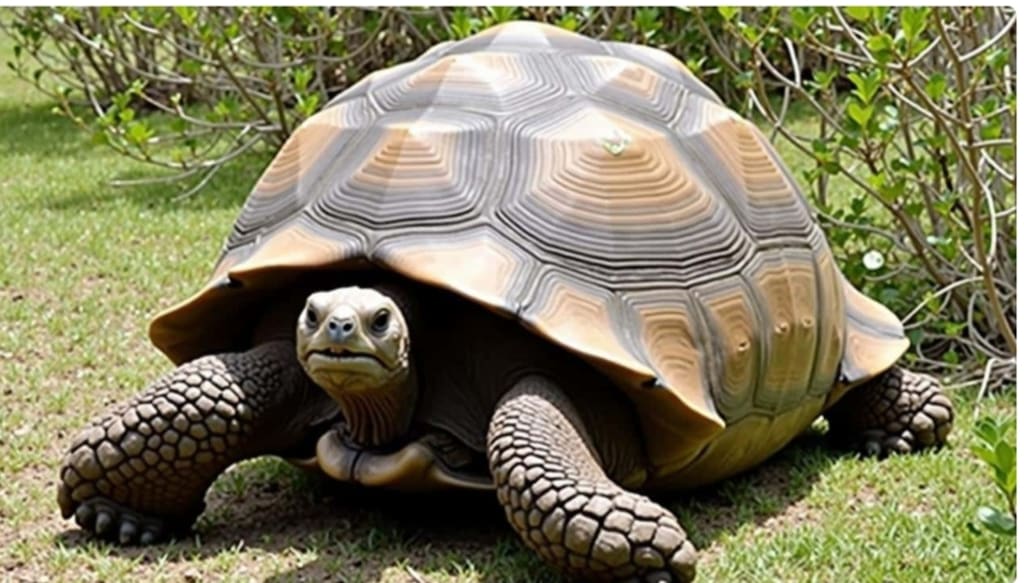
The slow, deliberate steps of giant tortoises may not seem dramatic, but in the Galápagos Islands, they are quietly fueling one of the world’s most remarkable conservation success stories. After centuries of decline caused by human activity and invasive species, more than 1,500 giant tortoises have been returned to their native islands, and their impact is proving transformative.
By tearing down shrubs, spreading seeds, and reshaping vegetation, these ancient reptiles are reviving ecological processes that had been broken for generations. What once appeared to be a fragile recovery effort is now showing how restoring a single keystone species can help heal an entire ecosystem.
A Species Nearly Lost
Giant tortoises are synonymous with the Galápagos, yet their survival was far from guaranteed. Beginning in the 16th century, sailors hunted tortoises for food, drastically reducing their numbers. Later, invasive species such as goats and rats destroyed vegetation and preyed on tortoise eggs, pushing several tortoise populations toward extinction.
By the mid-20th century, some islands had lost their tortoises entirely. Without them, ecosystems began to unravel. Plants evolved alongside tortoises suddenly lacked their primary grazers and seed dispersers, leading to overgrown shrubs, reduced biodiversity, and altered soil conditions.
Recognizing the urgency, conservationists launched ambitious breeding and reintroduction programs aimed at restoring tortoises to their original habitats.
The Return of the Giants
Today, those efforts are paying off. More than 1,500 giant tortoises have been successfully reintroduced to several Galápagos islands, including areas where they had been absent for over a century.
Raised in breeding centers and carefully monitored, the tortoises were gradually released into the wild once threats from invasive species were reduced. Their return was not merely symbolic. Scientists hoped the tortoises would resume their historical role as ecosystem engineers, shaping landscapes through their daily behaviors.
That hope is now becoming reality.
How Tortoises Transform the Land
Giant tortoises may move slowly, but their influence is profound. As they graze, they tear down dense shrubs, preventing certain plant species from dominating the landscape. This creates open spaces that allow grasses, herbs, and smaller plants to thrive, increasing overall plant diversity.
Their massive bodies also trample vegetation, helping to break up compacted soil. This improves water absorption and promotes healthier plant growth. Over time, these physical changes alter entire habitats, making them more resilient and diverse.
In ecosystems where balance had been lost, tortoises are acting as natural regulators, restoring patterns that evolved over thousands of years.
Nature’s Seed Dispersers
One of the tortoises’ most critical roles is seed dispersal. As they consume fruits and plants, seeds pass through their digestive systems and are deposited across the landscape in nutrient-rich droppings.
This process allows plants to spread far beyond their parent locations, reconnecting fragmented habitats and encouraging forest regeneration. Some plant species in the Galápagos depend almost entirely on tortoises for seed dispersal, meaning their survival is directly linked to the reptiles’ return.
Researchers have observed new plant growth in areas that had remained barren for decades, a clear sign that long-dormant ecological processes are restarting.
Restarting Broken Ecological Cycles
Before the tortoises’ return, many Galápagos ecosystems were effectively stuck. Without large herbivores, shrubs grew unchecked, crowding out native plants and reducing food sources for insects and birds.
Now, the presence of tortoises is helping to restart entire food webs. Increased plant diversity supports more insects, which in turn attract birds and reptiles. Healthier soil promotes stronger vegetation, creating a cascading effect that benefits the entire ecosystem.
Scientists describe this as ecological rewilding, where restoring a keystone species allows nature to recover on its own, with minimal ongoing human intervention.
A Long-Term Conservation Success
What makes this story especially powerful is its long-term impact. Giant tortoises can live over 100 years, meaning individuals released today will continue shaping the landscape for decades to come.
Their slow reproduction and steady movement ensure gradual, sustainable change rather than sudden disruption. Conservationists see this as an ideal model for ecosystem restoration, proving that patience and science-driven strategies can deliver lasting results.
Monitoring programs continue to track tortoise populations, vegetation changes, and wildlife responses, providing valuable data for conservation efforts worldwide.
Lessons for the Rest of the World
The Galápagos tortoise recovery offers important lessons beyond the islands. It demonstrates that restoring a single, influential species can trigger widespread ecological healing. Rather than relying solely on human management, conservation can succeed by allowing nature to resume its own processes.
As ecosystems around the world face pressures from climate change, habitat loss, and invasive species, the Galápagos example provides hope. It shows that even heavily damaged environments can recover when given the right conditions and time.
Challenges Still Remain
Despite the success, challenges persist. Climate change threatens rainfall patterns, while invasive species remain a constant risk. Conservationists must continue protecting habitats, monitoring populations, and engaging local communities to ensure long-term success.
Yet, the visible transformation of the landscape offers encouragement. Areas once dominated by invasive plants now show signs of balance, resilience, and renewed biodiversity.
Conclusion
The return of more than 1,500 giant tortoises to the Galápagos Islands is more than a conservation milestone — it is a powerful reminder of nature’s ability to heal. Through grazing, seed dispersal, and landscape shaping, these ancient animals are restoring ecosystems that had been broken for generations.
Their slow march across the islands is rewriting an ecological story once thought lost. In doing so, giant tortoises are proving that sometimes, the most meaningful change happens not through force or speed, but through patience, persistence, and the quiet power of nature itself.
About the Creator
Keep reading
More stories from Aarif Lashari and writers in The Swamp and other communities.
Italian Eurofighters Intercept Rare Russian Navy Be-200 Flying Boat Over the Baltic
European airspace witnessed an unusual and symbolically charged moment when Italian Air Force Eurofighter Typhoons intercepted a rare Russian Navy Be-200 amphibious aircraft over the Baltic Sea. While intercepts between NATO jets and Russian military aircraft are not uncommon, this particular incident stood out due to the type of aircraft involved and the broader geopolitical context surrounding Europe’s eastern flank.
By Aarif Lasharia day ago in The Swamp


Comments
There are no comments for this story
Be the first to respond and start the conversation.