
Mass Attack That Plunged Kyiv Into Darkness Cost Russia Over $130 Million, Ukrainian Officials Say
Kyiv claims Moscow paid a steep price for large-scale missile and drone strikes that temporarily darkened the capital
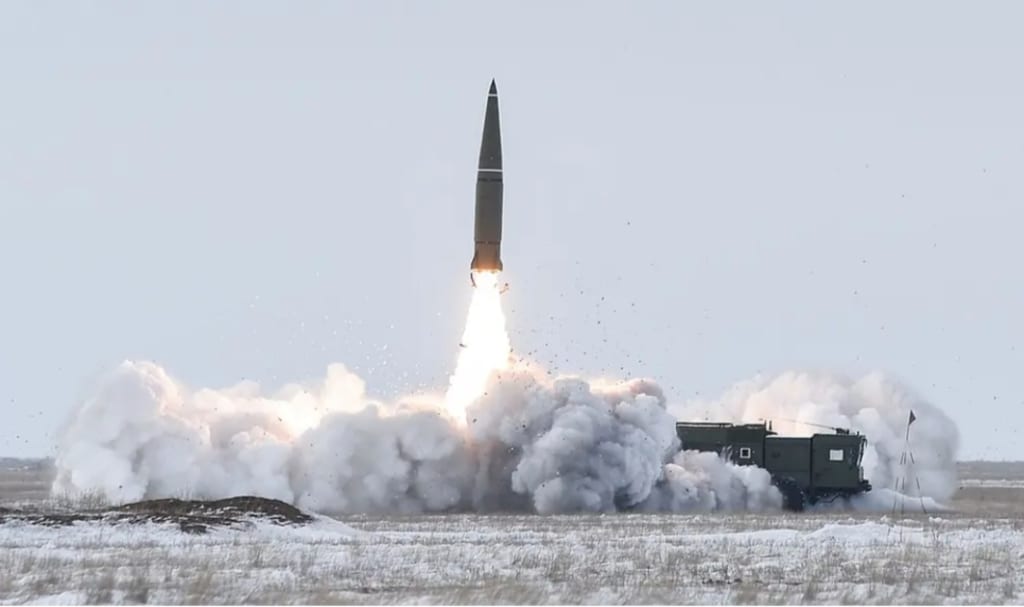
A massive Russian attack that plunged parts of Kyiv into darkness has reportedly cost Moscow more than $130 million, according to Ukrainian intelligence officials. The assault, which involved a combination of missiles, drones, and artillery strikes, targeted critical energy infrastructure across the city but achieved only limited strategic success, Ukrainian authorities say.
The strikes are the latest in a long series of attacks aimed at disrupting civilian life, testing Ukraine’s air defences, and applying pressure ahead of international diplomatic talks. Analysts warn that while the financial cost is high for Russia, the psychological and political impacts remain a key aspect of the conflict.
The Scope of the Attack
The offensive took place overnight, with Russian forces launching ballistic missiles, cruise missiles, and Iranian-made Shahed drones. Kyiv residents reported hearing a series of loud explosions, followed by widespread blackouts that left large sections of the city without electricity in freezing winter temperatures.
Power outages affected homes, schools, hospitals, and public transport systems. Emergency services mobilized immediately to contain fires, clear debris, and restore electricity, highlighting the strain on Ukraine’s response infrastructure during repeated waves of attacks.
Officials estimate millions of residents were temporarily affected by the blackout, although services were largely restored within hours.
Financial Toll on Russia
Ukrainian intelligence says that the weapons used in the attack cost Russia over $130 million, including expensive ballistic missiles, drones, and associated logistics. Analysts say such a figure underscores the rising cost of long-range strikes against targets that are increasingly difficult to disrupt permanently.
“Each missile and drone carries a significant price tag,” said a Ukrainian defence expert. “For Russia, this was a very costly attempt with minimal operational payoff.”
The financial burden adds to mounting pressure on Russia’s war economy, which faces sanctions, limited production capacity, and the depletion of advanced weapons stockpiles.
Limited Strategic Impact
While the blackout caused temporary disruption, Ukrainian authorities emphasised that the strike did not achieve its strategic objectives. Power was restored quickly in most areas, and Ukraine’s energy grid has been reinforced following previous attacks.
Officials note that Kyiv’s upgraded air defence systems intercepted a substantial portion of the incoming missiles and drones, significantly reducing the damage to critical infrastructure.
“The attack demonstrates Russia’s willingness to expend large sums of money for psychological and symbolic impact, rather than decisive military gains,” said a military analyst.
Air Defences Under Pressure
Ukraine’s air defence networks are increasingly tasked with defending cities from repeated long-range attacks. Intercepting missiles requires costly anti-air systems and ammunition, placing continuous strain on resources.
Ukrainian commanders have requested additional Western air defence systems, citing the ongoing risk to urban centres and energy infrastructure. The country has also implemented emergency power distribution measures to ensure resilience during attacks.
Russia’s Strategic Motivation
The Ukrainian government describes the attack as part of a broader strategy of infrastructure disruption intended to weaken civilian morale and force Kyiv to divert resources to emergency responses.
Experts say the campaign serves multiple purposes: demonstrating military reach, testing defensive systems, and creating political pressure both domestically and internationally. However, repeated expensive strikes with limited long-term effect suggest diminishing returns for Moscow.
Psychological and Political Dimensions
Beyond the physical damage, attacks like these are designed to create fear and uncertainty among the population. Targeting power grids during winter months maximizes discomfort and disruption, highlighting the human toll of the conflict.
Despite these efforts, public reaction in Kyiv has been marked by resilience. Communities have adapted to temporary outages, using generators and mutual support to maintain essential services. Ukrainian officials argue that the attacks may have the opposite effect, galvanizing public determination rather than undermining it.
International Reactions
Western governments condemned the strikes, emphasising the importance of protecting civilian infrastructure. They also reiterated support for Ukraine’s right to defend its population and maintain essential services.
The reported financial cost to Russia is seen by analysts as another reason for increased Western aid, particularly in providing air defence systems, energy infrastructure protection, and emergency response capabilities.
Economic Implications for Moscow
The $130 million price tag underscores the financial strain Russia faces as it continues the war. Each missile, drone, and logistical operation carries significant costs, and sanctions further constrain the country’s ability to sustain such operations over the long term.
Military economists warn that repeated high-cost attacks against resilient targets may exacerbate Russia’s fiscal and strategic vulnerabilities, especially as Ukrainian defences improve and Western assistance continues.
Conclusion
The Ukrainian intelligence assessment of the mass attack that plunged Kyiv into darkness highlights a growing economic and strategic cost for Russia. While the strike caused temporary disruption and demonstrated Moscow’s capacity to conduct large-scale operations, it failed to inflict lasting damage or break Ukrainian resilience.
As winter continues and hostilities persist, both the financial and psychological aspects of such attacks remain central to the conflict. Ukraine’s ability to restore essential services, combined with international support and robust air defences, has limited the effectiveness of Russia’s costly strategy, underscoring the challenges of modern warfare.
About the Creator
Keep reading
More stories from Aarif Lashari and writers in The Swamp and other communities.
India and EU Set for ‘Mother of All Deals’ as Trump’s Tariff Uncertainty Looms
India and the European Union are moving closer to what officials are calling the “mother of all deals”, as both sides accelerate negotiations on a long-awaited free trade agreement amid growing uncertainty over potential tariff changes under a renewed Donald Trump presidency.
By Aarif Lashariabout 20 hours ago in The Swamp
What Sets Best and Worst Customer Service Apart
Feeling heard, being treated well, and having your issue resolved are the key markers of great customer service. When you have an issue with a product or service, a company’s customer service department is supposed to help you resolve it. How companies handle your concerns and treat you is the primary factor in differentiating the best from the worst customer service.
By Joanna Clark Simpsona day ago in The Swamp
US Touts ‘New Gaza’ Filled With Luxury Real Estate: A Vision of Reconstruction or Controversy in the Making?
The Gaza Strip — long synonymous with conflict, humanitarian crises, and geopolitical complexity — is suddenly at the center of a bold U.S.‑led vision that might seem almost surreal to many: a future “New Gaza” filled with luxury real estate, high‑rise towers, seaside promenades, and economic opportunity. This plan, unveiled by U.S. officials at the World Economic Forum in Davos, has captivated global attention not just for its scope but for the immense social, political, and ethical questions it raises.
By Salaar Jamali3 days ago in The Swamp




Comments
There are no comments for this story
Be the first to respond and start the conversation.