
‘Made the Biggest Mistake’: The Young Yemeni Men Lured Into the Russian Army With Empty Promises
Promises of Pay, Papers, and a Better Life
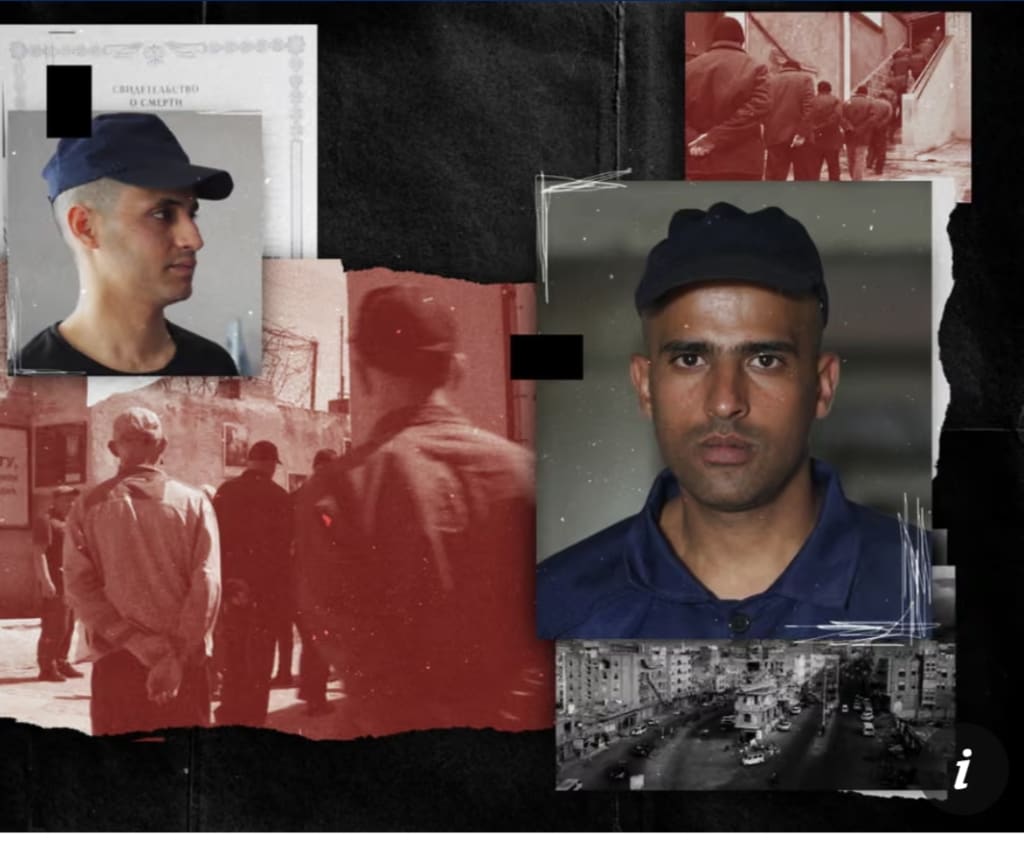
For dozens of young Yemeni men struggling to survive amid years of war, poverty, and displacement, the offer sounded like a lifeline. Recruiters promised stable salaries, legal residency, and a path to a better future if they joined the Russian army. Instead, many now say they were deceived—thrown into a brutal conflict far from home with little training, few protections, and no way out.
“I made the biggest mistake of my life,” said one Yemeni recruit in a voice message shared with relatives. “They promised us work. They sent us to war.”
Desperation Makes Easy Targets
Yemen’s long-running conflict has devastated the country’s economy, leaving millions unemployed and desperate. Young men, particularly refugees and migrants living abroad, are among the most vulnerable.
Human rights groups say recruiters specifically targeted Yemeni nationals living in Russia and neighboring countries, exploiting their lack of legal status and financial hardship. Many were told they would work in non-combat roles or serve far from the front lines.
Instead, they say they were pressured to sign contracts they did not fully understand—often written in Russian—with consequences they only discovered too late.
From Recruiters to the Front Line
Several Yemeni men told similar stories: after agreeing to enlist, they were quickly transported to military camps, given minimal training, and then deployed to active combat zones.
Some say their phones were confiscated, their movement restricted, and their questions ignored. “We asked when we would do the job they promised,” one former recruit said. “They laughed and said, ‘You are soldiers now.’”
According to testimonies gathered by activists, some Yemeni recruits were sent to dangerous frontline positions, where casualty rates were high and conditions harsh.
Broken Promises and Harsh Reality
The promises that drew them in—regular pay, legal documents, and protection—often failed to materialize. Several recruits claim wages were delayed or withheld, while residency papers never arrived.
Others say they were threatened with imprisonment or deportation if they refused orders or attempted to leave. “They told us if we ran, we would be treated as traitors,” said one Yemeni man who later managed to escape.
For many, the reality of combat was a shock. Poor equipment, limited medical care, and relentless fighting left some injured and traumatized.
Families Left in the Dark
Back in Yemen, families say they were initially hopeful when their sons found “work” abroad. That hope quickly turned to fear as communication became sporadic or stopped entirely.
Some families have learned of deaths or injuries through unofficial channels, social media, or other recruits. Others are still waiting for any word at all.
“My son went to earn money so we could eat,” said one father. “Now I don’t know if he is alive.”
Legal and Ethical Questions
The recruitment of foreign nationals under misleading circumstances raises serious legal and ethical concerns. International law restricts the use of mercenaries and requires informed consent for military service.
Human rights organizations argue that exploiting vulnerable migrants amounts to coercion. “These men were not volunteers in any meaningful sense,” said a rights advocate. “They were trapped by poverty and false promises.”
Calls are growing for independent investigations into recruitment practices and accountability for those responsible.
Russia’s Silence and Official Narrative
Russian authorities have not publicly addressed claims of deceptive recruitment of Yemeni nationals. State media continues to emphasize voluntary enlistment and patriotism, portraying foreign fighters as willing participants.
Critics argue this narrative ignores the power imbalance between recruiters and migrants with few legal protections. Without transparency, they say, abuses are likely to continue.
Survivors Speak Out—At Great Risk
A small number of Yemeni men have managed to escape service, often by fleeing during deployment or securing help from diaspora networks. Speaking out carries risks, including retaliation against themselves or their families.
Despite this, some are sharing their stories to warn others. “Do not believe them,” one survivor said. “There is no good future there—only death.”
Their testimonies have circulated online, prompting renewed concern among Yemeni communities abroad.
A Wider Pattern of Exploitation
Experts say the case of Yemeni recruits reflects a broader pattern in modern conflicts, where economically desperate foreigners are drawn into wars through deception.
As conflicts drag on and manpower shortages grow, vulnerable populations become targets. Without stronger international oversight, analysts warn, such practices will persist.
Conclusion
For the young Yemeni men lured into the Russian army with promises of stability and opportunity, the cost has been devastating. Many now find themselves trapped in a war they never intended to fight, cut off from home and stripped of choices.
Their stories serve as a stark reminder of how desperation can be weaponized—and how, in the shadows of global conflicts, the poorest often pay the highest price for promises that were never meant to be kept.
About the Creator
Keep reading
More stories from Aarif Lashari and writers in The Swamp and other communities.
Trump Says ‘Help Is on Its Way’ as He Urges People in Iran to ‘Keep Protesting’ and ‘Take Over’ Their Institutions
Former US President Donald Trump has sparked fresh controversy after publicly urging people in Iran to “keep protesting” and to “take over” their institutions, while declaring that “help is on its way.” His remarks, delivered through public statements and amplified on social media, have immediately drawn global attention, raising questions about foreign interference, escalation, and the real-world consequences of such rhetoric.
By Aarif Lashari7 days ago in The Swamp


Comments
There are no comments for this story
Be the first to respond and start the conversation.