
Trump Says ‘Help Is on Its Way’ as He Urges People in Iran to ‘Keep Protesting’ and ‘Take Over’ Their Institutions
Trump Issues Direct Message to Iranians
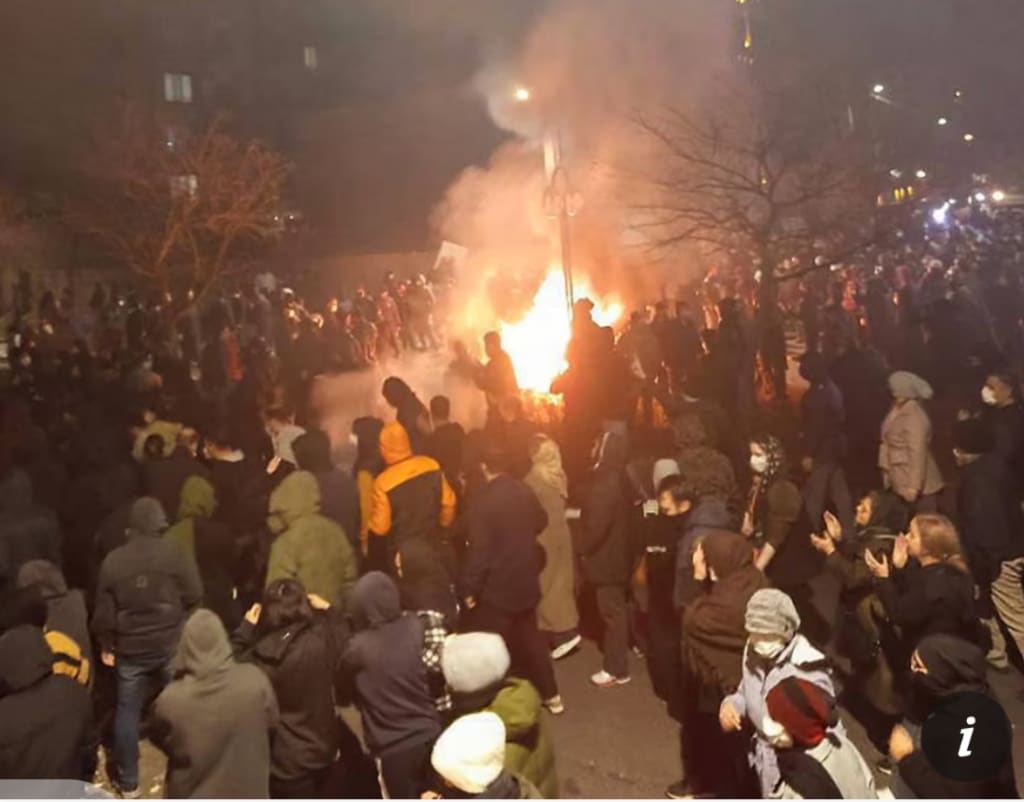
Former US President Donald Trump has sparked fresh controversy after publicly urging people in Iran to “keep protesting” and to “take over” their institutions, while declaring that “help is on its way.” His remarks, delivered through public statements and amplified on social media, have immediately drawn global attention, raising questions about foreign interference, escalation, and the real-world consequences of such rhetoric.
The comments come amid heightened tension in Iran, where authorities claim protest unrest has been brought under control, even as activists and human rights groups report continued repression and arrests.
A Statement That Reverberated Worldwide
Trump’s message was unusually direct. Addressing the Iranian public rather than the country’s leadership, he framed the protests as a historic opportunity for change and suggested external support would eventually materialize.
Supporters of Trump argue the statement was meant as moral encouragement to people facing repression. Critics, however, warn that such language could endanger protesters by reinforcing the Iranian government’s long-standing claim that unrest is driven by foreign powers.
“This kind of rhetoric has consequences,” said a Middle East analyst. “Authoritarian governments often use statements like this to justify harsher crackdowns.”
Iran’s Immediate Response
Iranian officials reacted angrily, accusing Trump of blatant interference in the country’s internal affairs. State media portrayed his comments as proof that protests were part of a foreign-backed plot, echoing claims officials have made repeatedly during periods of unrest.
The foreign ministry condemned the remarks as irresponsible and destabilizing, warning that Iran would not tolerate external attempts to influence its political system. Security forces reportedly increased patrols in several cities following the statement, though authorities insist calm has been restored.
For Tehran, Trump’s words appear to reinforce its narrative of external manipulation.
Protesters Caught in the Middle
For protesters inside Iran, reactions are mixed. Some activists say international attention provides hope and helps keep pressure on authorities. Others fear that Trump’s involvement could undermine the legitimacy of their movement.
“People here want change on their own terms,” said an Iranian activist speaking anonymously. “When a foreign politician tells us to ‘take over institutions,’ it makes our situation more dangerous.”
Human rights groups echo this concern, warning that overt foreign encouragement can be weaponized by governments to justify arrests, surveillance, and violence.
‘Help Is on Its Way’: What Does It Mean?
Trump did not specify what kind of “help” he was referring to, leaving analysts to speculate. Possibilities range from increased diplomatic pressure and sanctions to rhetorical or informational support.
Some Trump allies suggest the statement reflects a broader strategy of pressuring Iran through international isolation. Others see it as political messaging aimed at Trump’s domestic audience rather than a concrete policy promise.
Former US officials caution that without clarity, such statements risk inflating expectations among protesters while offering no tangible protection.
US Political Reactions
Within the United States, reactions have been sharply divided. Trump supporters praise the message as a strong stand against authoritarianism, arguing that the US should openly support democratic movements abroad.
Democratic leaders and some Republicans, however, criticized the remarks as reckless. They argue that encouraging people to seize institutions without a clear plan or support structure is irresponsible and could lead to bloodshed.
The current US administration has taken a more cautious tone, emphasizing support for human rights while avoiding direct calls for regime change.
International Community Urges Restraint
European governments and international organizations have responded cautiously, urging all parties to avoid escalation. Diplomats stress that while the right to peaceful protest must be respected, external actors should avoid language that could inflame tensions.
The United Nations has reiterated calls for restraint by Iranian authorities and for the protection of protesters, while stopping short of endorsing Trump’s message.
Observers note that Iran’s history makes it particularly sensitive to foreign intervention, real or perceived.
A Familiar Pattern in Trump’s Foreign Policy
Trump’s comments are consistent with his past approach to Iran, which combined maximum pressure, public confrontation, and direct messaging. During his presidency, he withdrew from the nuclear deal, imposed sweeping sanctions, and frequently used social media to communicate policy positions.
Supporters see this as clarity and strength. Critics see unpredictability that complicates diplomacy and puts civilians at risk.
“This is classic Trump,” said a former diplomat. “Bold words, unclear outcomes.”
Risks of Escalation
Experts warn that such rhetoric could harden positions on all sides. Iranian authorities may feel justified in intensifying crackdowns, while protesters could be encouraged to take greater risks, believing external support is imminent.
History shows that moments of unrest are highly sensitive, and miscalculations—by domestic actors or foreign voices—can lead to tragic outcomes.
Conclusion
Trump’s declaration that “help is on its way,” coupled with his call for Iranians to keep protesting and take over institutions, has injected a volatile new element into an already tense situation. While some view the message as solidarity with a struggling population, others fear it could backfire, strengthening the very forces protesters oppose.
As Iran navigates a fragile moment of claimed calm and unresolved grievances, the impact of Trump’s words will likely be felt not in Washington, but on the streets of Iranian cities—where the cost of political rhetoric can be measured in real human lives.
About the Creator
Keep reading
More stories from Aarif Lashari and writers in The Swamp and other communities.
Iran Foreign Minister Claims Protest Unrest Has ‘Come Under Total Control’
Iran’s foreign minister has claimed that the wave of protests that swept across the country has now “come under total control,” signaling what authorities describe as a return to stability after weeks of unrest. The statement, made during a public appearance and echoed by state media, comes amid continued skepticism from activists and human rights groups who say tensions remain high despite a visible reduction in street demonstrations.
By Aarif Lashari6 days ago in The Swamp



Comments
There are no comments for this story
Be the first to respond and start the conversation.