
Lounes Maatoub, the Rebel:
voice of Silenced people


Introduction:
In the rugged mountains of Kabylie, a voice once roared louder than any gunshot. That voice belonged to Lounès Matoub—a revolutionary, poet, and fierce defender of the Amazigh identity. Nicknamed "Le Rebelle" (The Rebel), Matoub’s legacy continues to echo across North Africa and the diaspora as a symbol of resistance, courage, and uncompromising truth.
A Rebel is Born on January 24, 1956, in Taourirt Moussa, a small village in Kabylie, Algeria, Matoub was raised during a time of cultural suppression. The newly independent Algerian state enforced Arabization policies, marginalizing indigenous Berber languages and identity.
From a young age, Lounès rebelled—refusing to accept a single national identity at the expense of his culture. He built his first guitar at age nine and found his voice through music—a medium he would later use as a weapon against oppression.
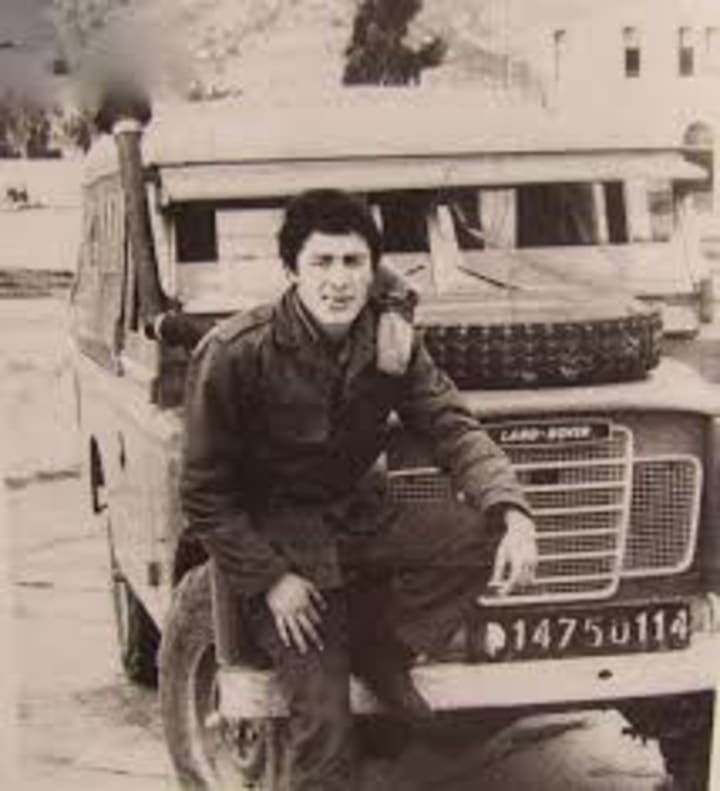
Music as Resistance: Matoub’s songs were not merely artistic—they were political manifestos. Singing in Tamazight, he tackled themes such as: (The suppression of Amazigh culture, Religious extremism, Corruption in Algerian politics, Freedom of speech and secularism) Unlike the veiled metaphors used by many artists in authoritarian contexts, Matoub’s lyrics were raw and direct. He spoke to the people, for the people, and often against those in power. His 1978 debut album, Ay Izem ("The Lion"), launched him into the spotlight. Yet that spotlight came with consequences.
Persecution and Survival: In 1988, during the Kabylie riots, Matoub was shot by a gendarme—five bullets that nearly ended his life. He endured 17 surgeries and spent two years recovering, only to return more defiant than ever. During the Algerian Civil War of the 1990s, he was targeted by Islamist extremists. In 1994, he was kidnapped by the Armed Islamic Group (GIA) and sentenced to death in a mock trial. He was later released due to massive public pressure, but the event left deep scars. He documented his life and ideology in his 1995 autobiography titled "Le Rebelle"—a fitting title for a man who refused to bow.
Assassination and Controversy: On June 25, 1998, Matoub was assassinated in an ambush near his home. Although the GIA claimed responsibility, many believe state involvement or negligence played a role. His murder sparked riots in Kabylie and protests across Algeria. His funeral was attended by over 150,000 mourners—a testament to his lasting impact. To this day, many believe the full truth of his assassination has never been revealed.
Legacy of a Rebel: Lounès Matoub remains a hero to millions—particularly among Kabyle and Amazigh communities. His songs are still sung in protests, homes, and gatherings. His lyrics are studied, quoted, and revered. But like many icons, he remains controversial. His secularist and atheist views, as well as his unfiltered criticism of both government and religion, earned him enemies. Yet it is precisely this refusal to compromise that makes him timeless.
Final Words: Lounès Matoub didn’t just sing; he fought with words in a society where words could kill. His voice—unapologetic and piercing—challenged an entire system. More than 25 years after his death, he is still Le Rebelle—a symbol not only of resistance, but of cultural survival.
If ever a voice refused to be silenced, it was his.
About the Creator
Youssef Khabchi
Political & Human Rights Writer | Exploring global and North African issues with an analytical lens | Advocating for freedom, justice, and equality through powerful storytelling.
Keep reading
More stories from Youssef Khabchi and writers in The Swamp and other communities.
The Rif Movement: Morocco’s Struggle for Justice and Dignity
In the heart of northern Morocco lies the Rif region — a land marked by beauty, history, and a long-standing struggle for justice. What began as a tragic death of a humble fish vendor, Mohcine Fikri, quickly escalated into one of the most powerful social movements in recent Moroccan history. This article uncovers the roots, developments, and sociopolitical impacts of the Rif Movement, revealing a story of resilience, repression, and the relentless fight for dignity.
By Youssef Khabchi7 months ago in The Swamp
Parallel Protests
I haven't written for quite some time, but I have A LOT of thoughts about yesterday's protest rally against our government's involvement and complicity in America's war on Iran, on the harbourside of my home city Bristol, and I need to put them somewhere. My gorgeous girlfriend is always a loving and listening ear and sharing it all with her will always be a healthy and happy way of processing the mental and emotional weight, but getting it straight in my brain to share means writing it all down in straight lines, so, here we are and thanks for being here.
By Steph Cole7 days ago in The Swamp



Comments
There are no comments for this story
Be the first to respond and start the conversation.