
Lawyers for Renee Good’s Family Have Experience Taking on the Government, But This Time They Face More Hurdles
The legal team representing Renee Good’s family confronts new challenges as they pursue accountability following her fatal shooting in Minneapolis.

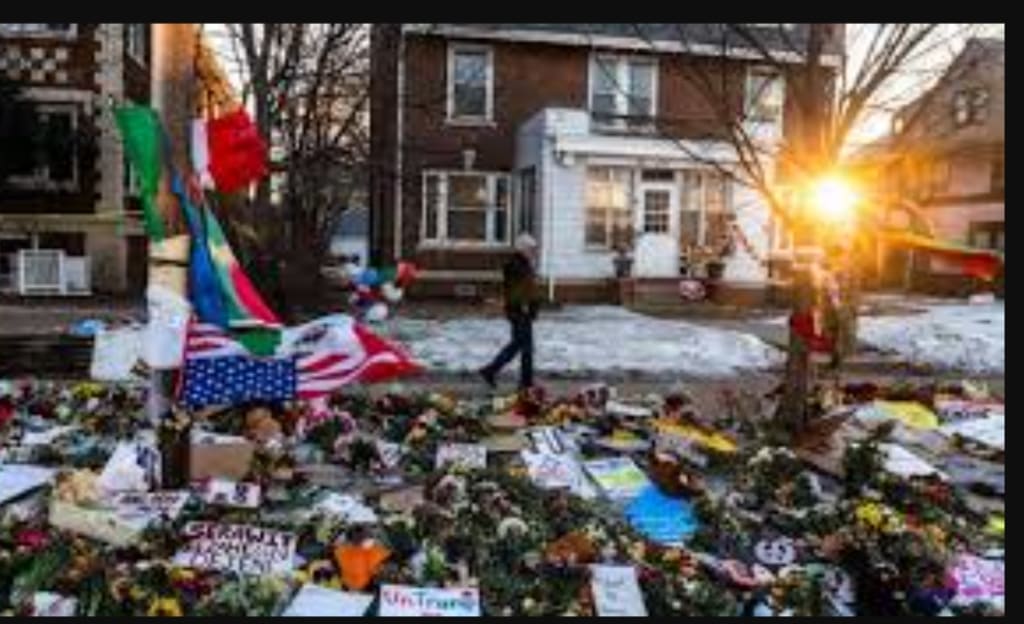
A High-Profile Legal Team Steps In
Following the tragic shooting of Renee Nicole Good, a 37-year-old Minneapolis resident, her family has enlisted a legal team with a proven track record of taking on government entities. The law firm Romanucci & Blandin, known for representing George Floyd’s family in a historic wrongful-death case, is now leading the fight for justice.
But unlike previous cases, this lawsuit faces heightened legal obstacles. Federal agents and government agencies are protected by specific statutes and immunities that make challenging their actions far more complex than state or local cases. The Good family’s attorneys must navigate not only a federal bureaucracy but also laws that often favor the government over individual plaintiffs.
Understanding the Circumstances
Renee Good was fatally shot on January 7, 2026, during an immigration enforcement operation in Minneapolis conducted by U.S. Immigration and Customs Enforcement (ICE). Authorities claim she posed a threat and resisted orders to stop. However, videos shared by bystanders and community members suggest the situation may have been misrepresented, prompting public outcry and calls for accountability.
Minneapolis officials have also criticized the federal handling of the incident, noting that local law enforcement was denied access to the scene and key evidence. This lack of transparency has made the legal team’s task even more complicated, as evidence crucial to building a strong case may be difficult to obtain.
Why the Legal Team Matters
Romanucci & Blandin has extensive experience challenging government entities in high-profile civil rights cases. Their most notable victory came with the $27 million settlement in the George Floyd wrongful-death lawsuit, which highlighted the firm’s skill in handling complex cases under intense public scrutiny.
Lead attorney Antonio Romanucci has emphasized the need for full transparency and accountability. The team has formally requested the preservation of evidence, including vehicle data, surveillance footage, and agent activity logs. By doing so, they hope to establish the facts surrounding Renee Good’s death and identify potential misconduct.
The Federal Legal Hurdles
Taking on the federal government is far more challenging than suing a city or state agency. Federal employees enjoy protections under sovereign immunity, which shields the government from many types of lawsuits. Cases involving harm caused by federal agents typically must proceed under the Federal Tort Claims Act (FTCA).
The FTCA allows individuals to sue the federal government for negligence but imposes strict procedural requirements. Claimants must submit an administrative claim and wait up to six months for the government’s response before filing a civil lawsuit in federal court. This process delays discovery and the ability to access critical evidence.
Bivens Claims: A Difficult Path
Another possible legal avenue is a Bivens lawsuit, which permits individuals to sue federal agents personally for constitutional violations. While this could allow the Good family to target the ICE agent involved, Bivens claims are notoriously difficult to win. Federal courts have increasingly limited the circumstances under which these claims are allowed, making this route uncertain at best.
Legal experts point out that even if the agent is named personally, government defenses and immunities create significant barriers. This combination of FTCA and Bivens limitations makes the current case far more complex than other civil rights suits the firm has handled.
Challenges With Evidence and Investigation
One of the biggest obstacles the legal team faces is limited access to evidence. Federal authorities initially controlled the investigation and have restricted access to the crime scene, witness interviews, and key documentation. This lack of transparency forces the attorneys to rely on public videos, witness testimonies, and independent reports, which may not provide a complete picture.
Minnesota officials, including Governor Tim Walz and Hennepin County Attorney Mary Moriarty, have publicly called on witnesses to share video evidence with the state. This coordination underscores the difficulty of building a strong case when federal and local authorities are not cooperating fully.
Political and Public Pressure
The case has attracted national attention, with public demonstrations and media coverage amplifying calls for justice. Advocates emphasize that Renee Good’s death is part of a larger pattern involving federal enforcement agencies operating with limited accountability.
Lawmakers and activists are using the case to push for reforms, including greater oversight of ICE and CBP operations and stricter rules regarding the use of force. While this adds political weight to the legal efforts, it also highlights the challenge of navigating a highly charged environment where legal, public, and political pressures intersect.
Conclusion
The legal team representing Renee Good’s family brings deep expertise and a history of taking on powerful institutions. Yet, the hurdles in this case—federal immunities, limited access to evidence, and complex legal frameworks—make it one of the most challenging cases of their careers.
As the lawsuit progresses, it will not only test the legal system’s ability to hold federal agents accountable but also influence how families across the nation seek justice when federal authorities are involved. The Good family’s fight is a reminder of the difficult path toward accountability and the critical role skilled legal representation plays in challenging government power.
About the Creator
Asad Ali
I'm Asad Ali, a passionate blogger with 3 years of experience creating engaging and informative content across various niches. I specialize in crafting SEO-friendly articles that drive traffic and deliver value to readers.
Trump’s Presser Set the Stage for a Doozy at Davos
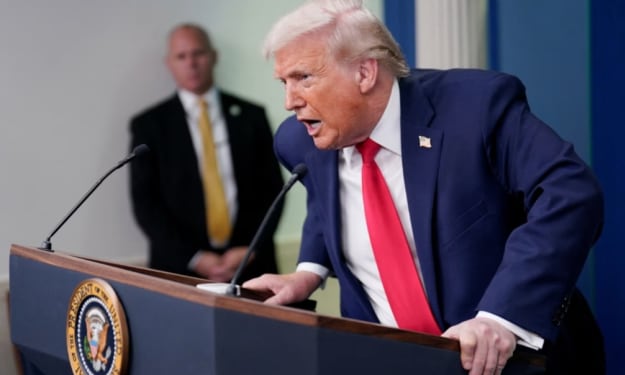
Donald Trump’s pre-Davos press conference was supposed to be a scene-setter. Instead, it became a spectacle that sent shockwaves through diplomatic circles and boardrooms alike, ensuring that this year’s World Economic Forum in Davos would be anything but routine. In trademark fashion, Trump used the presser to air grievances, make sweeping claims, and sketch out a vision of global economic relations that left allies uneasy and critics energized. By the time he boarded his plane for Switzerland, it was clear that Davos was bracing for what many attendees privately described as “a doozy.”
By Salaar Jamali5 days ago in The Swamp
Trump Links Greenland Dispute to Not Getting Nobel Peace Prize
In a surprising twist during a press conference earlier this week, former U.S. President Donald Trump linked his controversial Greenland dispute to the fact that he did not receive the Nobel Peace Prize. His comments sparked reactions from politicians, international media, and the public, highlighting once again the unusual rhetoric that characterized his presidency.
By Aarif Lashari7 days ago in The Swamp
The Path to Salvation
The late autumn evening air filled the monk's lungs, but it wasn't the season that chilled his bones. The heavy-handed presence of evil he had sensed upon entering the woods surrounding this mountain village had not bothered to conceal itself from him.
By Made in DNA5 days ago in Fiction



Comments
There are no comments for this story
Be the first to respond and start the conversation.