
Trump Links Greenland Dispute to Not Getting Nobel Peace Prize
Trump links Greenland dispute to personal Nobel Peace Prize ambitions, sparking global reactions.
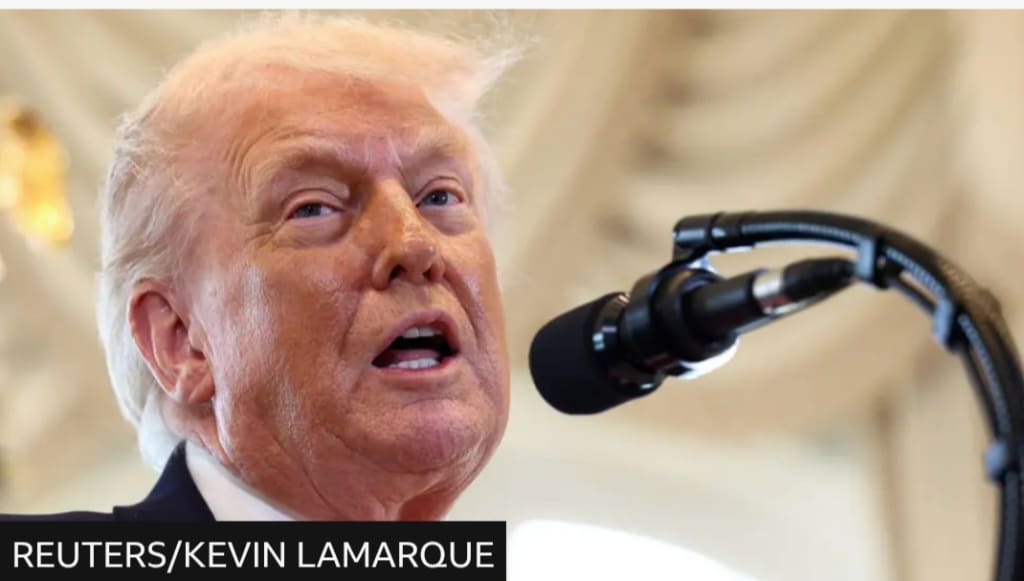
In a surprising twist during a press conference earlier this week, former U.S. President Donald Trump linked his controversial Greenland dispute to the fact that he did not receive the Nobel Peace Prize. His comments sparked reactions from politicians, international media, and the public, highlighting once again the unusual rhetoric that characterized his presidency.
The Greenland Controversy
The dispute over Greenland began when President Trump proposed the United States purchase Greenland from Denmark, citing strategic and economic reasons. The proposal was met with immediate skepticism and ridicule internationally. Denmark’s Prime Minister, Mette Frederiksen, rejected the idea outright, calling it “absurd.”
The Greenland controversy escalated when Trump threatened tariffs on European goods if Denmark did not comply with his Greenland ambitions. This move drew criticism from European leaders, NATO officials, and international analysts who called it an unprecedented pressure tactic against a long-standing ally.
Trump’s Nobel Connection
During a press briefing, Trump suggested that his efforts regarding Greenland were part of a broader peace and strategic initiative that he believed should have earned him a Nobel Peace Prize.
“I think what I did with Greenland—bringing attention to strategic Arctic regions, ensuring peace and security—was Nobel-level work. And maybe if people recognized that, I would have had that award by now.”
By linking the Greenland dispute to his Nobel aspirations, Trump positioned his controversial actions as both a strategic necessity and a personal accomplishment.
International Reactions
Trump’s remarks were met with a mix of amusement, criticism, and concern internationally. Analysts noted that linking territorial disputes with personal accolades is highly unconventional, particularly for issues involving allies and sensitive geopolitical regions.
Denmark: Officials reiterated that Greenland is an autonomous territory, and its status is not for sale. Danish media highlighted the unusual nature of Trump’s comments, emphasizing the “personalization” of a geopolitical matter.
United Nations: Diplomats emphasized that territorial sovereignty and strategic decisions are governed by international law, not individual recognition or awards.
Europe: European Union representatives stressed that the Greenland situation should be approached diplomatically and not conflated with personal ambitions or accolades.
Domestic Political Impact
Domestically, Trump’s remarks created a stir among both supporters and critics. His base praised him for thinking boldly about U.S. strategic interests, while opponents criticized the comments as self-serving and distracting from serious policy discussions.
Political analysts noted that linking a policy dispute to a Nobel Peace Prize might resonate with some supporters as a testament to Trump’s assertive foreign policy style, while also raising concerns about personal ego influencing diplomatic decisions.
The Nobel Peace Prize Context
Historically, the Nobel Peace Prize is awarded to individuals or organizations that have significantly contributed to peace efforts, conflict resolution, or humanitarian initiatives. Previous American recipients include Jimmy Carter, Barack Obama, and the International Campaign to Ban Landmines.
Critics argue that Trump’s Greenland initiative does not fit traditional Nobel criteria, as it was more of a strategic and economic maneuver than a peace-building effort. However, Trump’s comments reflect a broader narrative he has maintained about being undervalued or underrecognized internationally.
Why the Arctic Matters
Despite the controversy, Greenland and the Arctic region have genuine strategic importance. Key considerations include:
Natural resources: Greenland is rich in rare earth minerals, oil, and gas reserves.
Geopolitical position: Its location provides strategic advantages for military operations, monitoring, and Arctic shipping routes.
Climate change: Melting ice opens new navigation channels and resource access, increasing international interest.
Trump’s argument was that by engaging with Greenland, the United States was proactively securing national and global interests, though critics dispute the approach and motives.
Media and Public Response
News outlets and social media reacted quickly to Trump’s comments. Memes, headlines, and commentary highlighted the unusual combination of a geopolitical dispute and a personal award grievance.
Many editorial pieces discussed the implications of conflating personal recognition with international diplomacy. Social media platforms saw widespread debate about whether Trump’s rhetoric was strategic, humorous, or simply another example of his controversial communication style.
Implications for U.S.-Denmark Relations
Although Denmark rejected the purchase outright, the controversy did raise questions about alliance dynamics. NATO partners and European allies monitor U.S. foreign policy closely, and statements linking personal accolades to territorial initiatives are unusual in international relations.
Officials stressed that formal diplomatic channels remain intact and that Greenland’s autonomy will be respected, regardless of political rhetoric. Nonetheless, the incident adds another layer to discussions about U.S. diplomatic approaches under Trump and their long-term effects on alliances.
Lessons for Diplomacy
Trump’s Greenland-Nobel remarks highlight several lessons:
Personal narratives can overshadow policy: Leaders linking personal recognition to strategic decisions can create confusion or tension in diplomacy.
Communication matters: Public statements on sensitive geopolitical topics need careful framing to maintain trust with allies.
Media amplification: In the digital age, unusual statements are rapidly disseminated, shaping public perception and international dialogue.
For both policymakers and the public, the incident underscores the importance of separating personal ambitions from professional responsibilities in global affairs.
Conclusion
The connection Trump drew between the Greenland dispute and the Nobel Peace Prize is emblematic of his unconventional approach to foreign policy. While it sparked humor and criticism internationally, it also reminds the world of the complexity of Arctic geopolitics and the high stakes of U.S.-European relations.
Whether taken seriously or seen as a rhetorical flourish, the comments are a vivid example of how personal narratives and global diplomacy can collide, creating headlines, debates, and discussions that will likely continue in political and media circles for weeks to come.
About the Creator
Keep reading
More stories from Aarif Lashari and writers in The Swamp and other communities.
EU Prepared to Respond to Trump’s Greenland Tariff Threats but Hopes to De‑escalate at Davos
In a tense turn of transatlantic relations, the European Union says it is ready to respond to U.S. President Donald Trump’s tariff threats tied to Greenland. At the same time, EU leaders hope to use diplomacy to de‑escalate tensions at the upcoming World Economic Forum in Davos.
By Aarif Lashariabout 16 hours ago in The Swamp
How Much Do You Need in an ISA for a Passive Income That Beats the State Pension
For many Britons, the State Pension provides a modest, steady income in retirement. As of 2026, the full State Pension is around £203.85 per week, or roughly £10,600 per year. While it offers a financial foundation, for most retirees it’s not enough to maintain the lifestyle they want. This has led many people to explore Individual Savings Accounts (ISAs) as a vehicle for generating passive income that exceeds the State Pension.
By Muhammad Hassanabout 19 hours ago in The Swamp
Miss Persephone's Manual to a Seemingly Ordinary Life
Miss Persephone was found at the dining table, her blue eyes swollen, her tears arriving and retreating like the tides of the ocean. Earlier that day, her family had visited her in the retirement home where she had lived for eight years. It was her eightieth birthday.
By Imola Tóth5 days ago in Fiction




Comments
There are no comments for this story
Be the first to respond and start the conversation.