
Kremlin Says Trump Asked Russia to Pause Strikes on Kyiv
A Kremlin claim sparks debate over diplomacy and influence in the Ukraine war

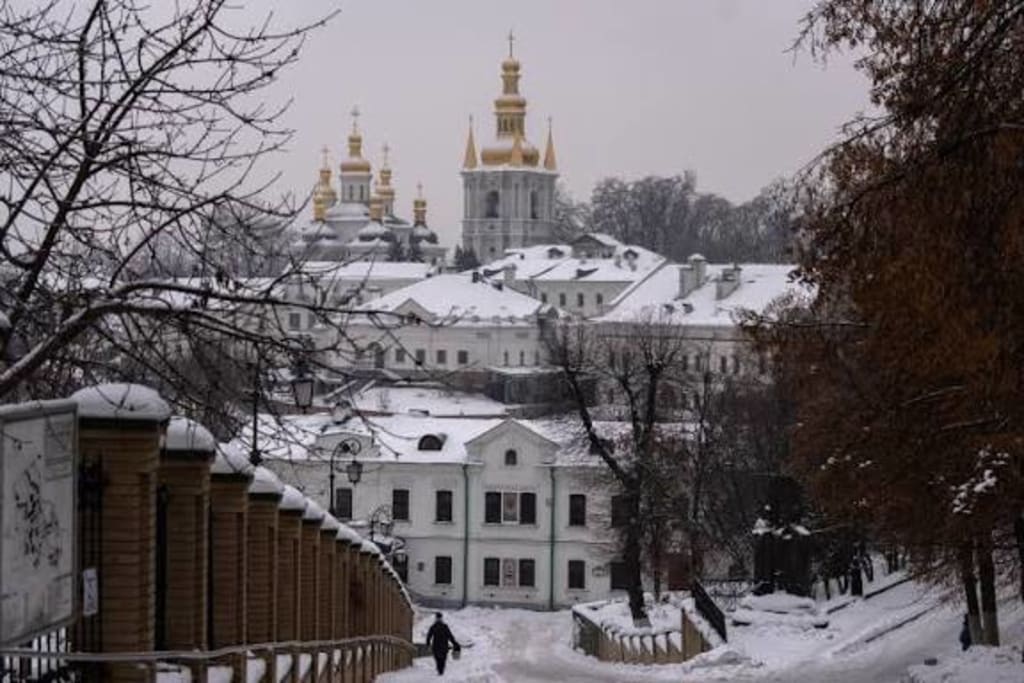
A claim that raises questions about diplomacy, influence, and the limits of power during wartime
The Kremlin has claimed that former U.S. President Donald Trump asked Russia to pause its strikes on Kyiv, a statement that has quickly drawn global attention. The assertion, reported by Russian officials, adds another layer of complexity to the already tense and heavily scrutinized conflict between Russia and Ukraine.
While the claim has not been independently confirmed by U.S. officials, it has sparked debate over backchannel diplomacy, political signaling, and whether such requests—real or rhetorical—can have any meaningful impact on a war that has reshaped global politics.
What the Kremlin Is Claiming
According to the Kremlin, Trump made a request urging Moscow to temporarily halt attacks on Ukraine’s capital. Russian officials did not provide details about when or how the request was delivered, nor whether it was part of a formal discussion or an informal exchange.
The lack of specifics has led analysts to treat the claim cautiously. In high-stakes conflicts, statements from official sources often serve multiple purposes beyond simple disclosure, including shaping narratives for domestic and international audiences.
Still, the claim itself is significant because it suggests that Moscow views Trump as a figure worth referencing in discussions about the war.
Why Kyiv Matters Strategically and Symbolically
Kyiv is more than Ukraine’s capital. It is a symbol of national identity, political authority, and resistance. Russian strikes on Kyiv carry strategic and psychological weight, signaling reach and intent.
Any pause in attacks—even a temporary one—would be notable. It could reduce civilian harm, allow repairs to infrastructure, and ease pressure on air defense systems. At the same time, pauses can also be tactical, allowing forces to regroup or adjust strategy.
Because of this, analysts stress that a pause does not necessarily indicate de-escalation or goodwill.
Trump’s History With Russia and Ukraine
Trump’s relationship with Russia has long been a subject of scrutiny. During his presidency, he often expressed a desire for improved relations with Moscow, while also approving military aid to Ukraine.
Since leaving office, Trump has repeatedly claimed he could end the Ukraine war quickly if returned to power, though he has offered few details on how. Supporters view these statements as confidence in deal-making skills. Critics argue they oversimplify a complex conflict.
The Kremlin’s statement appears to align with a broader narrative portraying Trump as a leader open to negotiation rather than confrontation.
Diplomacy or Political Messaging?
Many experts believe the Kremlin’s claim may be less about actual diplomacy and more about political messaging.
Possible motives include:
Signaling openness to negotiation under different U.S. leadership
Creating divisions within Western political debates
Portraying Russia as responsive to international appeals
By highlighting Trump rather than current U.S. officials, the Kremlin may be attempting to influence public opinion ahead of future elections or policy shifts.
The US and Ukraine Respond Carefully
So far, there has been no official confirmation from Trump or current U.S. authorities supporting the Kremlin’s claim. Ukrainian officials have also remained cautious, emphasizing that Russia’s actions on the ground matter more than statements.
For Ukraine, the key issue is not who makes requests, but whether attacks stop. Temporary pauses, if they occur without formal agreements, offer little long-term security.
Ukraine continues to rely on Western military and financial support to defend its cities and infrastructure.
The Limits of Personal Diplomacy
The claim raises a broader question: how much influence can individual leaders have in modern conflicts?
While personal relationships and informal communication can play roles in diplomacy, wars of this scale are driven by:
Strategic objectives
Military realities
Domestic political pressures
A single request, even from a high-profile figure, is unlikely to override these forces without concrete incentives or agreements.
Global Reaction and Uncertainty
International observers have reacted with skepticism. Many point out that Russia has previously announced pauses or ceasefires that later collapsed. Trust remains low, and verification is critical.
Energy markets, humanitarian organizations, and neighboring countries all watch developments around Kyiv closely. Even rumors of reduced strikes can affect planning and expectations.
However, without clear evidence of change, most governments are treating the Kremlin’s statement as informational rather than transformational.
What This Means Going Forward
Whether or not Trump made such a request, the episode highlights how information itself has become a tool in the conflict. Statements, claims, and counterclaims shape perceptions alongside missiles and drones.
For civilians in Kyiv, the reality remains harsh. Air raid sirens, damaged infrastructure, and uncertainty continue regardless of diplomatic rumors.
For policymakers, the focus remains on sustained solutions—ceasefires backed by enforcement, negotiations with guarantees, and long-term security arrangements.
Conclusion: Claims, Power, and the Reality of War
The Kremlin’s claim that Trump asked Russia to pause strikes on Kyiv may never be fully verified. What matters more is what happens on the ground.
Wars are not paused by words alone. They are shaped by power, strategy, and political will. While dialogue is always preferable to destruction, meaningful change requires more than symbolic requests.
Until then, Kyiv—and the world—waits to see whether actions will follow claims, or whether this episode will remain another chapter in the information war surrounding a very real and ongoing conflict.
About the Creator
Fiaz Ahmed
I am Fiaz Ahmed. I am a passionate writer. I love covering trending topics and breaking news. With a sharp eye for what’s happening around the world, and crafts timely and engaging stories that keep readers informed and updated.
Keep reading
More stories from Fiaz Ahmed and writers in The Swamp and other communities.
Cables Show Trump’s Moves on Greenland Rattled Other Nations
Diplomatic messages reveal how an unexpected proposal sent shockwaves through global alliances When former U.S. President Donald Trump publicly floated the idea of acquiring Greenland, the reaction was swift and loud. Headlines focused on disbelief, jokes, and firm rejections from Denmark. But behind closed doors, the response was more serious. Diplomatic cables, later reported and discussed by officials and analysts, suggest that Trump’s moves unsettled not just Denmark, but a wide range of U.S. allies and partners.
By Fiaz Ahmed about 9 hours ago in The Swamp
Gold Nears $5,600 as Investors Seek Safety; Silver Targets $120
Global precious metals markets are witnessing an extraordinary rally, with gold prices nearing the $5,600 per ounce mark and silver increasingly being discussed in connection with a potential move toward $120. The surge reflects a powerful combination of investor anxiety, macroeconomic uncertainty, and shifting expectations around inflation, interest rates, and currency stability. As confidence in traditional financial assets wavers, gold and silver are once again asserting their historic role as safe-haven stores of value.
By Salaar Jamali2 days ago in The Swamp
Japan’s Takaichi Dissolves Parliament After Only Three Months in Office, Setting Up Snap Election
Japan’s political landscape has been thrown into uncertainty after Prime Minister Sanae Takaichi dissolved parliament just three months after taking office, calling a snap general election that few observers expected so soon. The dramatic move has sparked intense debate across Japan and abroad, with supporters calling it a necessary step to secure a mandate and critics warning of instability at a sensitive time for the country.
By Muhammad Hassan8 days ago in The Swamp




Comments
There are no comments for this story
Be the first to respond and start the conversation.