
Key Gulf Allies Say They Won’t Aid U.S. in an Iran Strike, Limiting Trump’s Options
Gulf allies’ refusal to support U.S. military action against Iran signals a shift in regional dynamics and constrains Washington’s strategic options.


How shifting Gulf diplomacy reshapes U.S. strategic choices in the Middle East
In a major geopolitical development with wide‑ranging implications, key Gulf Arab states — particularly Saudi Arabia and the United Arab Emirates — have publicly refused to allow the United States to use their territory or airspace for any military strike against Iran. This stance represents a significant diplomatic setback for the Trump administration and could constrain U.S. military options amid rising tensions with Tehran.
Gulf States Draw a Line in the Sand
Saudi Arabia and the UAE — two of Washington’s closest partners in the Gulf — emphasized that they will not permit U.S. forces to launch strikes on Iranian targets from their soil or through their airspace. Both monarchies have decades‑long security relationships with the United States, hosting American bases and cooperating on counterterrorism and regional stability. Nonetheless, their refusal to support a potential strike signals deep concern about the potential for regional escalation.
This diplomatic message underscores a crucial shift: Gulf capitals are wary of being sucked into a broader conflict between the U.S. and Iran — one that could draw their own populations, infrastructure, and economies into harm’s way.
Analysts note that the decision increases the operational complexity for U.S. military planners, potentially forcing Washington to rely on long‑range bombers from distant bases or carrier‑based aircraft rather than regional launch points closer to Iran.
Why Gulf States Are Saying “No”
1. Fear of Iranian Retaliation
Iran’s leaders have underscored that any nation facilitating an attack on Tehran could be treated as hostile and face serious consequences, including retaliatory action against military facilities or infrastructure.
This warning carries real weight: countries like Saudi Arabia and the UAE are geographically close to Iran and already within reach of Tehran’s missile and drone arsenals. Gulf leaders are acutely aware that allowing a U.S. strike to use their bases could make them immediate targets for Iranian retaliation.
2. Desire to Avoid Wider Regional War
Gulf governments have pushed publicly for restraint and de‑escalation, arguing that further military confrontation could destabilize the already volatile Middle East. Countries such as Saudi Arabia, Qatar, Oman, and others have engaged in diplomacy aimed at reducing tensions with Tehran — including through indirect talks — rather than stoking deeper conflict.
The region’s economies are closely tied to stability. Protracted warfare could disrupt oil markets, depress investor confidence, damage critical infrastructure, and undermine the Gulf states’ long‑term economic diversification programs.
3. Balancing Between Washington and Tehran
Gulf Arab states face a delicate balancing act. On the one hand, they rely on U.S. security guarantees as part of a longstanding alliance; on the other, they have sought greater autonomy in shaping regional dynamics, including diplomatic engagement with Iran. For instance, Saudi Arabia and Iran restored diplomatic relations in 2023 after a period of strained ties, and other Gulf states maintain functional — if cautious — channels with Tehran.
This nuanced posture reflects a strategic hedging: Gulf countries want to avoid being seen as automatic proxies for the U.S. in conflicts that could drag the region deeper into turmoil.
Strategic Consequences for the United States
President Trump’s administration recently moved substantial military assets into the Middle East, including the USS Abraham Lincoln carrier strike group and combat aircraft, as part of preparations amid heightened tensions with Iran.
However, the lack of clear Gulf support complicates Washington’s options. Military strategists typically prefer access to friendly airfields and logistics bases within the theater of operations to minimize response times, extend reach, and maintain sustained pressure. Without Gulf cooperation, the U.S. may be forced to rely more heavily on long‑range platforms or carrier strike groups — options that are still viable but less efficient and potentially more vulnerable.
Moreover, the refusal of these allies to provide tangible operational support could reduce the political legitimacy of any U.S. strike, especially among international audiences already wary of escalation.
Diplomacy or Escalation: Which Path Forward?
The Gulf states’ stance comes amid broader calls for diplomatic engagement. Iran has signaled its willingness to engage in indirect talks through mediators such as Oman, while rejecting direct negotiations with Washington under current conditions.
Many regional actors and global observers argue that only diplomacy — and not military force — offers a sustainable path out of the current crisis. Gulf capitals, anxious to avoid a full‑blown war on the Arabian Peninsula, have repeatedly urged restraint from all sides.
At the same time, the U.S. faces domestic and international pressure regarding how to respond to Iran’s behavior, including its crackdown on protesters and perceived defiance on nuclear enrichment. This tension between calls for military deterrence and calls for engagement reflects the deeply complex geopolitical landscape.
Looking Ahead
The public refusal by key Gulf allies to support U.S. military action against Iran highlights a significant shift in Middle Eastern geopolitics. Strategic diplomacy, not just alliance rhetoric, will shape the coming months. Gulf states appear intent on minimizing the risk of regional war, even as the United States weighs whether a show of force against Tehran is justified or necessary.
For now, the inability to secure broad regional support limits Washington’s options and elevates the importance of alternative approaches — including intensified diplomacy, back‑channel negotiations, and international pressure to manage the crisis without a devastating conflict.
About the Creator
Keep reading
More stories from Salaar Jamali and writers in The Swamp and other communities.
Adrian Day: Gold “Nowhere Near” Top, Next Big Buyer Awakening
Introduction: Gold’s Bull Market Isn’t Over Renowned precious metals strategist Adrian Day, president of Adrian Day Asset Management, recently shared a compelling outlook on the gold market, asserting that gold is “nowhere near” its peak and identifying a potential new wave of buyers emerging on the horizon. His comments challenge views that gold’s recent gains are nearing exhaustion and instead suggest that the bull market could have significant room to grow.
By Salaar Jamaliabout 19 hours ago in The Swamp
Another Russian Shadow Fleet Oil Tanker Runs Into Difficulties
Another Russian shadow fleet oil tanker has reportedly run into difficulties, raising concerns about the challenges of operating sanctioned vessels amid growing international scrutiny. The tanker, part of a network designed to circumvent sanctions on Russian oil exports, encountered mechanical issues that temporarily halted its journey, highlighting the logistical risks faced by the so-called “shadow fleet.” This incident comes amid heightened efforts by Western nations to monitor, track, and enforce sanctions on Russian energy shipments, a key component of economic pressure related to the ongoing conflict in Ukraine. What Is the Russian Shadow Fleet? The term “shadow fleet” refers to tanker vessels used by Russia to move oil and fuel despite sanctions. These ships often: Change names and flags to obscure ownership Use indirect routes to avoid detection Employ intermediaries for sales and insurance The shadow fleet has allowed Russia to continue exporting oil to some markets, despite restrictions imposed by the United States, European Union, and other allied countries. Recent Incident The latest tanker, which analysts say belongs to the shadow fleet, ran into mechanical and navigation difficulties while crossing a major international shipping lane. Reports indicate that the ship had to halt operations temporarily and was awaiting technical assistance. While no environmental damage or major oil spills have been reported, authorities warn that even minor mechanical failures can escalate into significant disruptions, particularly for ships operating under complex and opaque conditions. Sanctions and Enforcement Challenges Western governments have imposed strict sanctions on Russian oil exports to limit revenue for Moscow. However, enforcement is complicated due to: Ships frequently changing names, registration, and routes Difficulties in tracking vessels in international waters Use of intermediaries or third-party companies for sales This latest incident underscores the operational risks of running a shadow fleet, where technical failures can have financial, legal, and political consequences. Economic Implications The shadow fleet plays a key role in Russia’s energy exports, which generate significant revenue for the country. When ships face difficulties, several issues arise: Delivery delays can disrupt contracts with buyers Insurance and shipping costs can rise significantly The incident may attract international attention, increasing the risk of further scrutiny or seizure Experts note that repeated disruptions may weaken the shadow fleet’s reliability, making global buyers wary of depending on these vessels. Geopolitical Considerations The movement and operation of shadow fleet tankers have geopolitical consequences. Western nations see them as tools to bypass sanctions, while Russia views them as essential for economic stability. Analysts suggest that incidents like this can: Provide leverage for Western enforcement agencies to track and monitor vessels Highlight vulnerabilities in Russia’s energy export network Increase pressure on Russian companies to invest in maintenance and secrecy The situation also demonstrates the high-stakes game of sanctions evasion, where a single mechanical failure can have ripple effects across global oil markets. Environmental and Safety Risks Shadow fleet tankers often operate under stretched resources and minimal oversight, which can lead to safety and environmental hazards. Mechanical failures, collisions, or improper handling of oil cargo can: Lead to oil spills Threaten marine ecosystems Endanger crew members International maritime organizations stress the importance of monitoring all tanker traffic, especially vessels with unclear ownership or questionable registration. Industry Response Shipping industry experts are closely watching the incident. They note that: Shadow fleet operations rely heavily on risk management and secrecy Mechanical issues can jeopardize cargo and insurance claims Some international insurers may refuse to cover sanctioned vessels, increasing the financial stakes Analysts suggest that repeated operational difficulties could force Russia to rethink its shadow fleet strategy, including better maintenance, tracking, or alternative shipping methods. Public and Media Reaction Media outlets tracking the shadow fleet have emphasized the dramatic risks of running vessels in high-traffic shipping lanes while avoiding sanctions. Commentators point out that these ships operate in a legal gray area, creating tension between economic interests and international law. Public attention is likely to focus on whether sanctions enforcement will become more effective as shadow fleet vessels face repeated difficulties. Looking Ahead Authorities and analysts predict that shadow fleet vessels will continue to operate under high pressure, with frequent mechanical, legal, and logistical challenges. Key developments to watch include: New mechanical or navigational incidents Seizures or fines imposed by international authorities Changes in shipping routes or tactics by Russian operators Global oil market impacts due to delayed deliveries The ongoing shadow fleet operations illustrate the complex intersection of sanctions, international trade, and maritime law. Conclusion The recent difficulties faced by another Russian shadow fleet tanker highlight the risks and challenges of evading international sanctions. While Russia continues to rely on these vessels to maintain oil exports, mechanical failures, legal scrutiny, and operational hazards threaten their effectiveness. The incident underscores the broader issues of sanctions enforcement, maritime safety, and geopolitical tension, showing that even highly secretive operations are vulnerable to disruption. As the shadow fleet continues to operate, the world will be watching to see how these vessels navigate both physical and regulatory obstacles.
By Fiaz Ahmed 5 days ago in The Swamp
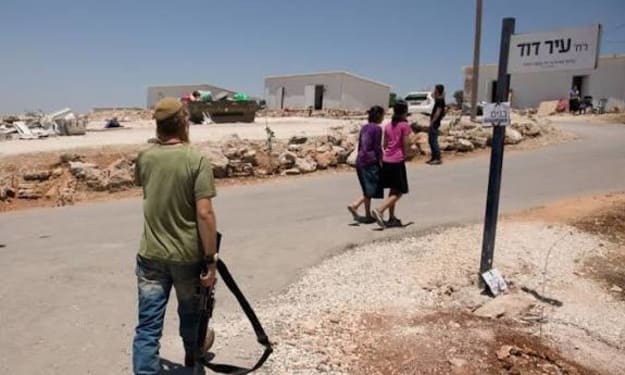
Israeli minister approves gun licences for 18 illegal West Bank settlements
An Israeli government minister has approved gun licences for 18 settlements in the West Bank, sparking controversy and renewed international attention on the Israeli-Palestinian conflict. These settlements, considered illegal under international law, have been a long-standing source of tension in the region. The decision has drawn criticism from Palestinian authorities, human rights groups, and some members of the international community, who warn that arming settlers in disputed territories could escalate violence and undermine efforts for peace. Background: The West Bank Settlements The West Bank, a territory occupied by Israel since 1967, is home to a mix of Palestinian communities and Israeli settlements. While some settlements are recognized by Israel, many are considered illegal under international law, including the Fourth Geneva Convention, which prohibits the transfer of civilians into occupied territories. Over the years, settlements in the West Bank have been a major flashpoint, with frequent clashes between Israeli settlers and Palestinian residents. The approval of gun licences for these areas is likely to intensify existing tensions. The Minister’s Decision The Israeli minister responsible for security matters stated that the decision to grant gun licences was made to protect residents in settlements facing security threats. Officials argue that: Many settlements are remote and exposed to attacks Residents have the right to self-defense Security concerns justify the approval of firearms However, critics argue that this move could increase the likelihood of armed confrontations and makes a peaceful resolution more difficult. Reaction from Palestinian Authorities Palestinian officials condemned the move, describing it as provocative and illegal. Statements from Palestinian leaders emphasized that: Arming settlers escalates tensions and undermines security The decision violates international law and could trigger violence It highlights ongoing concerns over settlement expansion and occupation policies In areas near the approved settlements, residents expressed fear of increased confrontations and threats to their safety. International Response The international community has reacted cautiously, highlighting concerns over the potential for escalation: United Nations: Called for restraint and urged Israel to respect international humanitarian law European Union: Expressed concern about settlement expansion and arming civilians Human Rights Organizations: Warned that arming settlers in disputed territories increases the risk of human rights violations Analysts note that such decisions could further complicate peace negotiations and may impact Israel’s relationships with other countries. Security Concerns in the West Bank The West Bank has long experienced periodic violence, including attacks between settlers and Palestinians. Security incidents often include: Clashes at checkpoints or on roads Property damage Targeted attacks on individuals or groups Supporters of the gun licences argue that residents have legitimate security concerns and require tools to protect themselves. Critics, however, fear that the presence of more firearms could trigger escalations rather than prevent them. Legal and Ethical Implications The approval of gun licences for settlements deemed illegal under international law raises serious legal and ethical questions: International law: The settlements themselves are widely considered illegal, and arming residents could complicate legal accountability Human rights concerns: Increased access to firearms may put civilians at risk and escalate conflicts Peace process: The decision may hinder efforts to negotiate a two-state solution or reduce tensions Legal experts suggest that such actions could draw further criticism and scrutiny from international bodies. The Broader Context This decision comes amid broader geopolitical tensions in the Middle East, including: Ongoing disputes over land and borders in the West Bank Frequent confrontations between Israeli forces and Palestinian groups Regional concerns about security, stability, and peace negotiations By arming settlers in disputed territories, Israel’s government is sending a message about its priorities and security policies, which may have long-term consequences for regional stability. Looking Ahead Observers warn that this decision could lead to: Increased violence: Higher risk of clashes between armed settlers and Palestinian residents International pressure: Diplomatic responses or sanctions from the UN or other global organizations Heightened tensions: Further complicating the already fragile peace process in the region At the same time, Israeli authorities argue that the safety of their citizens is a top priority, and providing firearms is a legitimate measure to protect communities in vulnerable areas. Conclusion The approval of gun licences for 18 illegal settlements in the West Bank marks a controversial step in the ongoing Israeli-Palestinian conflict. While Israeli officials cite security concerns, Palestinian authorities and international organizations warn that arming settlers could escalate tensions and undermine prospects for peace. As the region continues to navigate a complex landscape of politics, security, and human rights, the world watches closely to see how this decision will impact daily life, regional stability, and diplomatic efforts.
By Fiaz Ahmed 6 days ago in The Swamp



Comments (1)
Thank you