
Kenya's Recent Challenges and Enduring Resilience
A Nation's Pulse: From Healthcare Headwinds to Regional Diplomacy and a Fallen Hero's Legacy


Kenya, a vibrant East African nation often seen as a beacon of stability and progress, has recently found itself navigating a complex confluence of events that have tested its resolve and highlighted both its internal vulnerabilities and its crucial regional role. The aftermath of a protracted doctors' strike, the tragic death of the nation's military chief in a helicopter crash, and Kenya's ongoing efforts to mediate peace in neighboring South Sudan have dominated national discourse, painting a vivid picture of a country grappling with domestic challenges while upholding its international responsibilities.
Healing Wounds: The Aftermath of the Doctors' Strike
For nearly two months, Kenya's public healthcare system was brought to its knees by a nationwide doctors' strike. The industrial action, spearheaded by the Kenya Medical Practitioners, Pharmacists and Dentists Union (KMPDU), was primarily driven by demands for better remuneration, improved working conditions, and the full implementation of a 2017 Collective Bargaining Agreement (CBA) that the union argued the government had reneged on. At the heart of the dispute was the contentious issue of intern doctors' salaries, with the government offering a significantly lower stipend than that stipulated in the CBA.
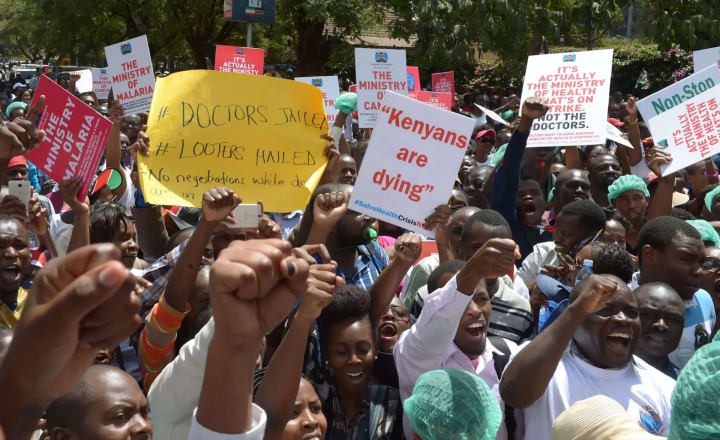
The strike inflicted immense suffering on ordinary Kenyans, particularly the most vulnerable who rely on public health facilities. Hospitals, running on skeleton crews, turned away patients, elective surgeries were postponed indefinitely, and even critical and emergency services struggled. Reports of increased morbidity and even mortality due to lack of access to timely medical care became tragically common. The crisis underscored the fragility of Kenya's public health infrastructure and the immense strain on its limited medical personnel.
The eventual resolution of the strike, brokered after intense negotiations and a looming court deadline, brought a collective sigh of relief. While the full details of the agreement are still being implemented, it saw doctors return to work with a commitment from the government to address salary arrears, review the terms for intern doctors, and hire additional medical staff. However, the scars of the strike run deep. Beyond the immediate disruption, it exposed systemic issues within the healthcare sector: understaffing, inadequate equipment, and a perennial struggle over resource allocation. Moving forward, the focus must shift from crisis management to sustainable solutions that build trust between medical professionals and the government, ensuring that the right to healthcare, enshrined in Kenya's constitution, becomes a tangible reality for all citizens. The episode has also spurred a greater interest in digital health solutions, which provided a lifeline for some during the strike, highlighting their potential in bridging gaps in access, especially in rural areas.
A Nation Mourns: The Loss of a Military Leader
Barely had the nation begun to recover from the healthcare crisis when it was plunged into mourning by the devastating news of the death of Chief of Defence Forces (CDF) General Francis Ogolla, alongside nine other senior military personnel, in a helicopter crash. The incident, which occurred during a mission to inspect troops involved in anti-banditry operations in the North Rift region, sent shockwaves across the country. General Ogolla, who had only recently assumed the highest military office, was widely respected for his distinguished career and commitment to national security.
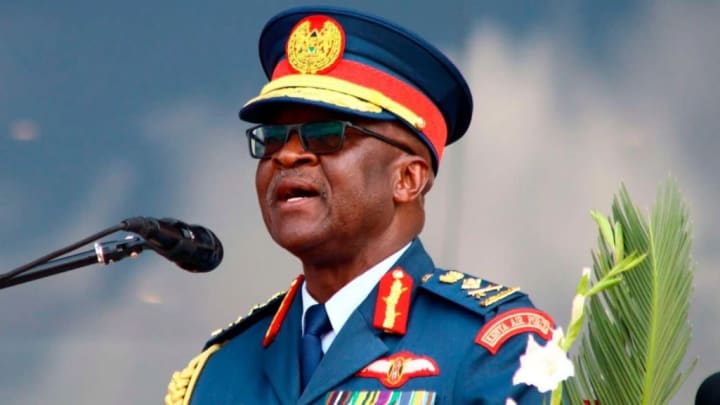
The loss of General Ogolla is a profound blow to the Kenya Defence Forces (KDF) and the nation as a whole. Beyond the personal grief, it raises questions about military aircraft safety and the operational risks faced by service personnel, especially in challenging environments. An immediate investigation was launched, with preliminary reports suggesting engine failure as the cause. While such incidents are often complex, the rapid and transparent communication from the government regarding the investigation details has been crucial in maintaining public confidence.
General Ogolla's death also spotlights the ongoing security challenges facing Kenya, particularly the persistent threat of banditry and other forms of insecurity in various parts of the country. The KDF plays a critical role in maintaining internal peace and stability, and the sudden loss of its top commander could have implications for command structures and ongoing operations. However, the swift appointment of a new CDF and the military's continued professionalism have demonstrated the KDF's institutional strength and resilience in the face of adversity. The nation's outpouring of grief and tributes to General Ogolla reflect a deep appreciation for the sacrifices made by those who serve to protect Kenya's borders and its people.

A Quest for Peace: Kenya's Enduring Role in South Sudan Mediation
Amidst its domestic challenges, Kenya continues to play a vital and often understated role in regional stability, particularly through its mediation efforts in the ongoing South Sudan peace talks. Known as the "Tumaini Initiative" (Swahili for "hope"), these talks aim to bring together the Transitional Government of National Unity in South Sudan and various hold-out opposition groups who were not signatories to the 2018 Revitalized Agreement on the Resolution of the Conflict in South Sudan.

Kenya's commitment to peace in its volatile neighbor stems from a recognition that instability in South Sudan has direct implications for its own security, economic interests, and the wider East African region. Nairobi has historically been a significant player in South Sudan's journey to independence and continues to host a large South Sudanese diaspora. President William Ruto has personally spearheaded the mediation, underscoring the high-level political commitment from Kenya.
The mediation process has been fraught with challenges, including past adjournments and disagreements among the various factions. The talks faced setbacks due to concerns about the alignment of the new process with the existing peace agreement and, at one point, the sacking of a government delegation by South Sudan's President Salva Kiir. However, despite these hurdles, Kenya has persistently pushed for dialogue, emphasizing the need for inclusivity and a genuine commitment to peace.

The Tumaini Initiative represents a critical, perhaps even last, chance to bring lasting stability to South Sudan, a nation that has endured years of devastating conflict since its independence in 2011. Kenya's role as a neutral arbiter, leveraging its diplomatic experience and regional standing, is indispensable. The ongoing talks focus on addressing outstanding issues, integrating the concerns of hold-out groups, and paving the way for credible elections. The international community largely supports Kenya's leadership in this crucial endeavor, recognizing that a stable South Sudan is vital for regional prosperity and security.
A Nation's Enduring Spirit
The recent trending topics in Kenya paint a complex picture of a nation confronting significant internal strains while simultaneously upholding its regional responsibilities. The resolution of the doctors' strike, while a relief, highlights the urgent need for comprehensive reforms in the healthcare sector. The tragic loss of General Ogolla serves as a sobering reminder of the sacrifices made by those in uniform and the ongoing security challenges. Meanwhile, Kenya's tenacious pursuit of peace in South Sudan underscores its vital role as a regional anchor.

Through these trials, Kenya demonstrates its enduring spirit of resilience. The national conversation around these events reflects a dynamic society engaged in introspection, seeking accountability, and striving for a better future. As the country navigates these tides of change, the collective determination of its people, coupled with principled leadership, will be crucial in overcoming obstacles and solidifying Kenya's path towards sustained peace, prosperity, and regional leadership.
About the Creator
Tallgirl
🌟 Hey hey! I'm Tallgirl 👩🦰💃 — standing tall (literally & figuratively) 💁♀️✨
Writer ✍️ | Dreamer ☁️ | Vibes Curator 🎧💫 | Life Observer 👀📓
📚 I write from the heart 💖 and the height 🗼
A Gathering of Evil Bosses
“I’m the queen of chin jutting while I smooth my hair, attacking, insulting, and deflecting to protect my appointer.” “Oh, please, Blondi, my hair is curled, highlighted, and longer than yours. I feature television commercials telling immigrants that we will give them a free plane ride home, and if they voluntarily turn themselves in, they will be allowed to legally apply for re-entry. It runs everywhere, and I look good in it! You can’t compete because of your blond hair. Mine is nicer, and my lips are prettier than yours.”
By Andrea Corwin 13 days ago in The Swamp
Flower Bloom 369
FLOWER Bloom 2/25/26 Wednesday By Mariann Carroll Karen had been with Tony for 7 years. Tony started acting strangely after her surgery. He would mow the lawn in the rain and be on his cellphone. He started pushing Karen away. Tony came clean about seeing someone. Karen moved out two months later. Karen moved in with a friend. She felt betrayed.
By Mariann Carroll5 days ago in Fiction




Comments (1)
"A powerful reflection on a nation’s trials and its unwavering spirit. From healing the wounds of the healthcare crisis to mourning a fallen hero, and leading peace beyond its borders—Kenya’s story is one of courage, complexity, and hope.