
Japan to Restart World’s Biggest Nuclear Plant
Move marks major shift in energy policy after Fukushima Government cites climate goals and energy security concerns Safety assurances face public skepticism and local resistance Kashiwazaki-Kariwa restart sparks debate over nuclear future Economic pressures push Japan back toward atomic power
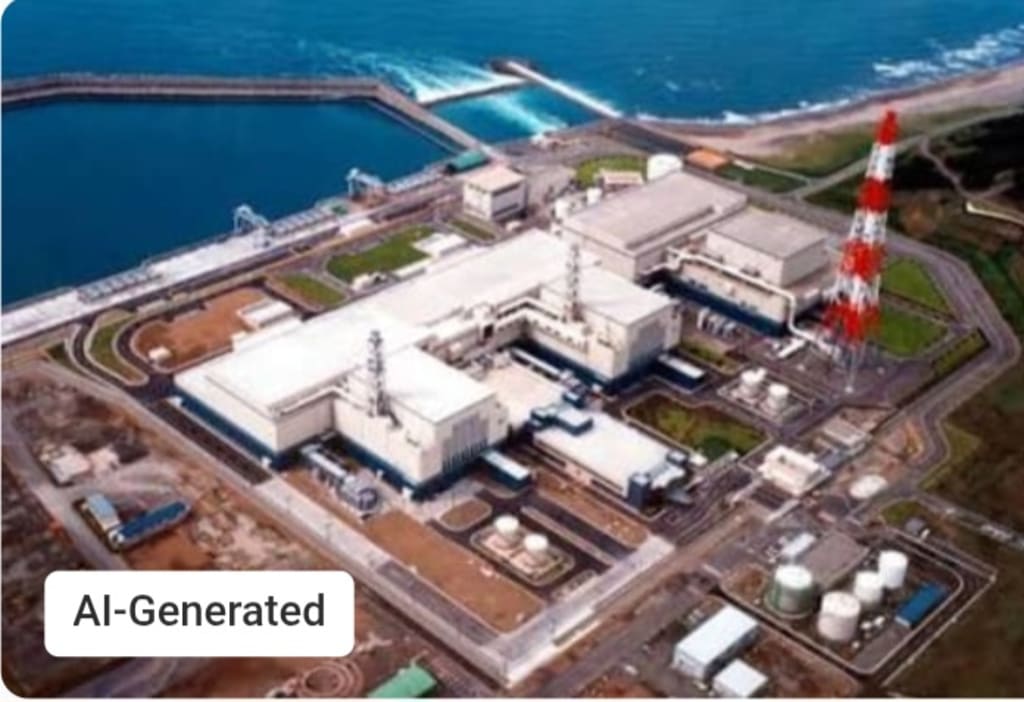
After more than a decade of shutdown, Japan is preparing to restart the world’s largest nuclear power plant, marking a major turning point in the country’s energy policy. The Kashiwazaki-Kariwa Nuclear Power Plant, located in Niigata Prefecture, has remained offline since the aftermath of the Fukushima nuclear disaster in 2011. Its restart signals Japan’s cautious but determined return to nuclear energy amid rising energy demands, climate goals, and global fuel uncertainties.
A Plant of Global Significance
The Kashiwazaki-Kariwa facility is not just another nuclear plant. With seven reactors and a total capacity of around 8 gigawatts, it is the largest nuclear power station in the world by output capacity. At full operation, it can supply electricity to millions of households and significantly reduce Japan’s dependence on imported fossil fuels.
The plant is operated by Tokyo Electric Power Company Holdings (TEPCO) — the same utility that ran the Fukushima Daiichi plant. This association has made the restart especially sensitive, both politically and socially.
Why the Plant Was Shut Down
Japan’s nuclear industry came to a near standstill after the March 2011 earthquake and tsunami, which triggered meltdowns at Fukushima Daiichi. The disaster led to widespread radioactive contamination, mass evacuations, and a profound loss of public trust in nuclear power.
In response, Japan shut down almost all of its nuclear reactors and introduced some of the strictest nuclear safety regulations in the world. Kashiwazaki-Kariwa, despite not being directly involved in the disaster, was also taken offline for safety reviews, upgrades, and regulatory compliance.
What was initially expected to be a temporary shutdown stretched into 15 years, delayed by technical issues, regulatory hurdles, and strong opposition from local communities.
The Restart Plan
TEPCO has announced plans to restart Reactor No. 6 as the first step toward reviving the massive facility. While a previous attempt was briefly halted due to a monitoring system alert, the issue was determined to be non-critical and was resolved without any safety risk or radiation leak.
The company now aims to bring the reactor online in early 2026, with full commercial operation expected soon afterward. If successful, this will be TEPCO’s first nuclear restart since Fukushima, making it a symbolic moment for Japan’s energy sector.
Why Japan Is Returning to Nuclear Power
Japan’s renewed interest in nuclear energy is driven by several urgent factors:
1. Energy Security
Japan imports most of its fossil fuels, including oil, coal, and liquefied natural gas. Global supply disruptions and rising fuel prices have exposed the risks of this dependence. Nuclear power offers a stable, domestically controlled energy source.
2. Climate Change Goals
The Japanese government has pledged to achieve carbon neutrality by 2050. Nuclear energy, which produces minimal greenhouse gas emissions during operation, is seen as a crucial tool to meet this target alongside renewable sources.
3. Rising Electricity Demand
As industries digitize and technologies like artificial intelligence, electric vehicles, and data centers expand, Japan’s electricity demand continues to grow. Nuclear plants provide reliable “baseload” power that renewables alone currently struggle to supply consistently.
Public Concerns and Local Opposition
Despite government assurances, the restart remains controversial. Many residents of Niigata Prefecture fear the risks associated with nuclear power, particularly in an earthquake-prone country like Japan. Questions about evacuation plans, emergency response capabilities, and long-term waste management continue to dominate public debate.
Protests and opinion polls show that a significant portion of the local population remains opposed to restarting the plant. For them, the memory of Fukushima is still fresh, and trust in both regulators and TEPCO remains fragile.
Supporters’ Perspective
Supporters argue that modern nuclear technology is far safer than in the past. Since Fukushima, Japan has upgraded reactor designs, improved cooling systems, strengthened seismic protections, and enhanced emergency preparedness.
They also point to the economic benefits, including job creation, lower electricity costs, and reduced spending on imported fuels. For many policymakers, restarting Kashiwazaki-Kariwa is not about abandoning renewable energy, but about maintaining a balanced and resilient energy mix.
What This Means for Japan’s Future
The restart of the world’s biggest nuclear plant represents more than just a technical achievement. It reflects Japan’s struggle to balance energy security, environmental responsibility, and public safety.
If the restart proceeds smoothly, it could pave the way for other dormant reactors across the country to return to service. However, each step will require transparency, strict oversight, and continued dialogue with the public.
Japan’s nuclear comeback is cautious, controversial, and closely watched by the world. The success or failure of Kashiwazaki-Kariwa may well shape the future of nuclear energy not only in Japan, but globally.
Final Thoughts
Fifteen years after Fukushima, Japan stands at a crossroads. Restarting the world’s largest nuclear power plant is both a bold move and a calculated risk. It highlights the nation’s determination to secure its energy future while learning from past mistakes.
Whether this decision ultimately strengthens Japan’s energy system or reignites old fears will depend on how safely, transparently, and responsibly the restart is managed.
About the Creator
Keep reading
More stories from Ayesha Lashari and writers in The Swamp and other communities.
NASA to Allow Astronauts to Use Personal iPhones on Missions: A New Era in Space Communication
Introduction NASA’s space missions have always been synonymous with cutting-edge technology and high-level scientific experimentation. However, in an exciting and somewhat unexpected development, the space agency has announced that astronauts will now be allowed to bring and use their personal iPhones during missions. This groundbreaking move is not just about embracing a familiar piece of technology but also about enhancing communication, supporting mental well-being, and bridging the gap between astronauts and their loved ones on Earth.
By Ayesha Lashari3 days ago in The Swamp
Why Black History Matters in America?
The United States of America is celebrating their 250th anniversary in 2026. I'm proud to be an American and as someone who was born here, I wouldn't imagine myself living anywhere else. This is a country where opportunities are possible. Where anyone can be successful in anything they desire to do. Equality, community, and togetherness are the backbones of what America is and should be about. However, we have an administration who wants to erase and disregard those who have made positive, meaningful impacts in our country, specifically Black figures, such as Martin Luther King, Jr., Rosa Parks, and Maya Angelou. President Trump and his administration have been constantly complaining and fighting against what they call the "Woke agenda". They use this excuse as a distraction from other issues they refuse to address, such as the high cost of living, climate change, and inflation. That equality is dividing America, when in reality, it's bringing us together. Being woke is not tied to a specific political party. No matter where you stand on the political spectrum, you can still care about other people and their plights. Compassion and empathy for others isn't tied to a political party, either. We were taught as children to treat others the way we want to be treated and not judge others because they're different from us. Caring about others isn't a personal attack on your beliefs. It doesn't make you any less of a person. People who are easily offended over African American figures, past or present, or anything related to it, are grasping at straws. Current and future generations need to know who people like Harriet Tubman and Shirley Chisholm were, especially in the classroom. Black History is part of American History. It should be recognized, not hidden or forgotten. Besides, you can't shield children from everything, just because your feelings are easily hurt.
By Mark Wesley Pritchard 7 days ago in The Swamp
Nigerian, Pakistani navies partner to upscale shipbuilding capacity
The Nigerian Navy and the Pakistan Navy have entered into a new partnership aimed at strengthening shipbuilding and maritime engineering capabilities, marking a significant step in defense cooperation between the two countries. The agreement focuses on technical collaboration, training, and the exchange of expertise to support Nigeria’s growing ambition to develop a stronger indigenous naval manufacturing base. Officials from both navies confirmed that the partnership was finalized during high-level talks held in Islamabad, where senior military and defense industry representatives discussed long-term strategies for enhancing naval infrastructure and operational readiness. The initiative is expected to help Nigeria modernize its fleet while creating new opportunities for Pakistan’s established shipbuilding sector. Expanding Indigenous Shipbuilding Nigeria has in recent years invested heavily in developing local shipbuilding and repair facilities as part of a broader effort to reduce dependence on foreign suppliers. The country’s shipyards, including the Naval Dockyard in Lagos and newer facilities in Port Harcourt, have already begun producing patrol vessels and support ships for domestic use. Under the new agreement, Pakistan will provide technical assistance in ship design, production planning, and quality control. Pakistani naval engineers and shipbuilding specialists are expected to work closely with Nigerian counterparts to improve construction processes and introduce modern manufacturing techniques. “This partnership is about knowledge transfer and capacity building,” a Nigerian naval official said. “Our goal is to be able to construct and maintain a larger portion of our fleet at home, using local skills and resources.” Pakistan’s Experience as a Key Asset Pakistan brings decades of experience in naval shipbuilding through its state-run Karachi Shipyard and Engineering Works (KSEW), which has built frigates, patrol craft, and auxiliary vessels for the Pakistan Navy as well as for export customers. The shipyard has also collaborated with international partners, giving it exposure to a range of advanced technologies and design standards. Defense analysts say Pakistan’s expertise makes it a natural partner for Nigeria, which is seeking to expand its shipbuilding industry in a cost-effective and sustainable way. “Pakistan has successfully transitioned from being primarily an importer of warships to a producer,” said a regional security expert. “Nigeria is now attempting a similar path, and cooperation between the two navies could accelerate that process.” Strategic Motivations The partnership is also driven by shared security challenges. Both countries face threats from piracy, smuggling, and maritime terrorism, particularly in the Gulf of Guinea and the Arabian Sea. Strengthening shipbuilding capacity is seen as a way to ensure a steady supply of vessels suited to patrol and surveillance missions. Nigerian officials emphasized that locally built ships allow for faster repairs and upgrades, reducing downtime and operational costs. In addition, domestic production is viewed as an important element of national security and industrial development. For Pakistan, the agreement offers an opportunity to expand its defense diplomacy and strengthen ties with African partners. It also opens the door for potential export contracts and joint development projects. “This cooperation enhances Pakistan’s profile as a provider of defense technology and training,” said a Pakistani defense official. “It also supports our broader foreign policy goals of deepening relations with African nations.” Training and Human Capital Development A central element of the agreement is the training of Nigerian engineers, technicians, and naval architects. Under the plan, Nigerian personnel will attend specialized courses in Pakistan covering ship design software, welding techniques, propulsion systems, and quality assurance procedures. Joint workshops and simulation exercises will also be held to familiarize Nigerian teams with modern shipyard management practices. Officials said this focus on human capital development is essential for ensuring long-term success. “Shipbuilding is not just about steel and machinery,” said a Pakistani naval engineer involved in the program. “It is about people, skills, and systems. Our job is to help Nigeria build all three.” Economic and Industrial Impact The partnership is expected to have positive economic implications for Nigeria, particularly in terms of job creation and the growth of supporting industries such as steel fabrication, electronics, and logistics. Government officials believe that expanding shipbuilding capacity will stimulate local manufacturing and reduce the outflow of foreign currency spent on imported vessels. Private sector companies are also expected to benefit, as local suppliers are integrated into the naval production chain. Analysts note that this could lay the foundation for a broader maritime industrial ecosystem in Nigeria. “This is about more than military ships,” said an industrial policy expert. “If managed well, it could support commercial shipbuilding and repair in the future, making Nigeria a regional hub for maritime services.” Challenges Ahead Despite optimism, experts caution that scaling up shipbuilding capacity will require sustained investment and careful project management. Ship construction is capital-intensive and depends on stable supply chains, reliable power, and strict quality control standards. “There is always a risk of delays and cost overruns,” said a defense economist. “Success will depend on how effectively the two navies coordinate and whether long-term funding is maintained.” Corruption and bureaucratic inefficiencies have also been cited as potential obstacles, though officials insist that transparency and oversight mechanisms will be put in place. A Broader Defense Partnership The shipbuilding initiative builds on existing defense ties between Nigeria and Pakistan, which include training exchanges and cooperation in counterterrorism and maritime security. Both sides indicated that the agreement could eventually expand to cover joint research and development projects, as well as collaboration on naval electronics and unmanned systems. Looking ahead, Nigerian and Pakistani officials expressed confidence that the partnership would strengthen not only their naval forces but also their broader strategic relationship. “This cooperation represents a shared vision for self-reliance and regional security,” a Nigerian naval spokesperson said. “By working together, we are building ships—and trust—for the future.” As implementation begins, observers will be watching closely to see whether the partnership delivers tangible results in the form of new vessels and a more robust Nigerian shipbuilding industry. If successful, the initiative could serve as a model for South-South defense cooperation in an increasingly complex global security environment.
By Fiaz Ahmed Brohi3 days ago in The Swamp
Public Announcement Challenge Winners
For the Public Announcement Challenge, writers were asked to work inside voices built for control. These were notices, warnings, and updates meant to inform rather than confess. The strongest entries committed to that form and didn't break from it. Corporate memos, formal government alerts, and internal policy language were held consistently, allowing emotion, fear, grief, or humor to surface indirectly through pressure rather than declaration. The following poems recognize the voice of authority, and let human feeling slip through despite all its rules and restraint.
By Vocal Curation Team2 days ago in Resources




Comments
There are no comments for this story
Be the first to respond and start the conversation.