
Nigerian, Pakistani navies partner to upscale shipbuilding capacity
Defense cooperation aims to boost indigenous naval production and technical expertise New agreement focuses on technology transfer and training for local shipyards Partnership seeks to strengthen maritime security through domestic vessel construction Joint initiative marks a strategic step in South–South military collaboration Navies expand ties with shipbuilding and industrial development at the core

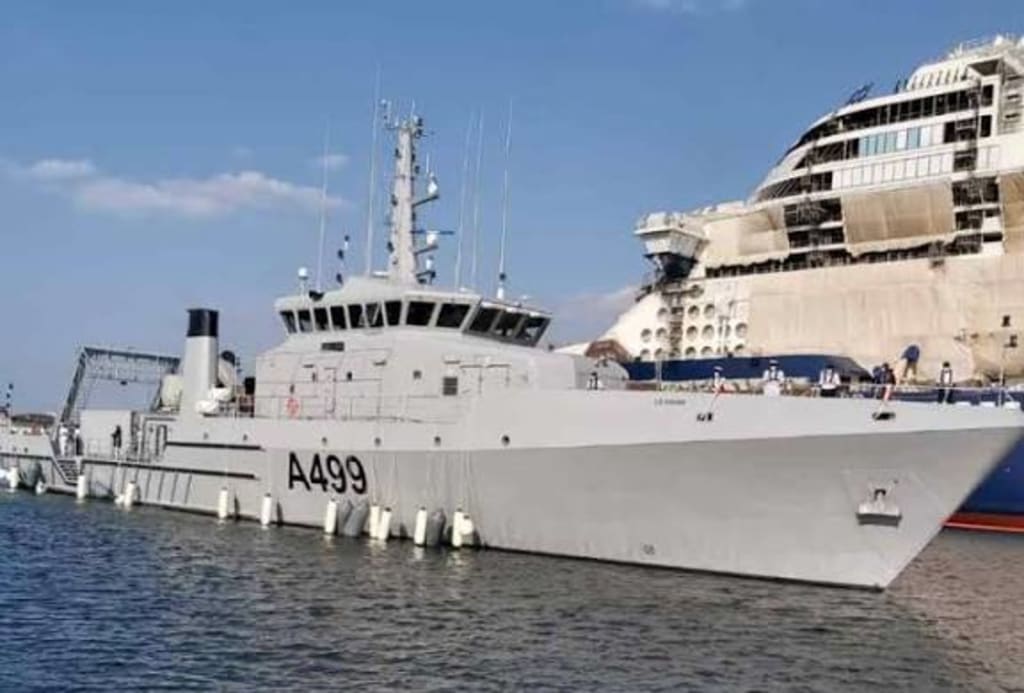
The Nigerian Navy and the Pakistan Navy have entered into a new partnership aimed at strengthening shipbuilding and maritime engineering capabilities, marking a significant step in defense cooperation between the two countries. The agreement focuses on technical collaboration, training, and the exchange of expertise to support Nigeria’s growing ambition to develop a stronger indigenous naval manufacturing base.
Officials from both navies confirmed that the partnership was finalized during high-level talks held in Islamabad, where senior military and defense industry representatives discussed long-term strategies for enhancing naval infrastructure and operational readiness. The initiative is expected to help Nigeria modernize its fleet while creating new opportunities for Pakistan’s established shipbuilding sector.
Expanding Indigenous Shipbuilding
Nigeria has in recent years invested heavily in developing local shipbuilding and repair facilities as part of a broader effort to reduce dependence on foreign suppliers. The country’s shipyards, including the Naval Dockyard in Lagos and newer facilities in Port Harcourt, have already begun producing patrol vessels and support ships for domestic use.
Under the new agreement, Pakistan will provide technical assistance in ship design, production planning, and quality control. Pakistani naval engineers and shipbuilding specialists are expected to work closely with Nigerian counterparts to improve construction processes and introduce modern manufacturing techniques.
“This partnership is about knowledge transfer and capacity building,” a Nigerian naval official said. “Our goal is to be able to construct and maintain a larger portion of our fleet at home, using local skills and resources.”
Pakistan’s Experience as a Key Asset
Pakistan brings decades of experience in naval shipbuilding through its state-run Karachi Shipyard and Engineering Works (KSEW), which has built frigates, patrol craft, and auxiliary vessels for the Pakistan Navy as well as for export customers. The shipyard has also collaborated with international partners, giving it exposure to a range of advanced technologies and design standards.
Defense analysts say Pakistan’s expertise makes it a natural partner for Nigeria, which is seeking to expand its shipbuilding industry in a cost-effective and sustainable way.
“Pakistan has successfully transitioned from being primarily an importer of warships to a producer,” said a regional security expert. “Nigeria is now attempting a similar path, and cooperation between the two navies could accelerate that process.”
Strategic Motivations
The partnership is also driven by shared security challenges. Both countries face threats from piracy, smuggling, and maritime terrorism, particularly in the Gulf of Guinea and the Arabian Sea. Strengthening shipbuilding capacity is seen as a way to ensure a steady supply of vessels suited to patrol and surveillance missions.
Nigerian officials emphasized that locally built ships allow for faster repairs and upgrades, reducing downtime and operational costs. In addition, domestic production is viewed as an important element of national security and industrial development.
For Pakistan, the agreement offers an opportunity to expand its defense diplomacy and strengthen ties with African partners. It also opens the door for potential export contracts and joint development projects.
“This cooperation enhances Pakistan’s profile as a provider of defense technology and training,” said a Pakistani defense official. “It also supports our broader foreign policy goals of deepening relations with African nations.”
Training and Human Capital Development
A central element of the agreement is the training of Nigerian engineers, technicians, and naval architects. Under the plan, Nigerian personnel will attend specialized courses in Pakistan covering ship design software, welding techniques, propulsion systems, and quality assurance procedures.
Joint workshops and simulation exercises will also be held to familiarize Nigerian teams with modern shipyard management practices. Officials said this focus on human capital development is essential for ensuring long-term success.
“Shipbuilding is not just about steel and machinery,” said a Pakistani naval engineer involved in the program. “It is about people, skills, and systems. Our job is to help Nigeria build all three.”
Economic and Industrial Impact
The partnership is expected to have positive economic implications for Nigeria, particularly in terms of job creation and the growth of supporting industries such as steel fabrication, electronics, and logistics. Government officials believe that expanding shipbuilding capacity will stimulate local manufacturing and reduce the outflow of foreign currency spent on imported vessels.
Private sector companies are also expected to benefit, as local suppliers are integrated into the naval production chain. Analysts note that this could lay the foundation for a broader maritime industrial ecosystem in Nigeria.
“This is about more than military ships,” said an industrial policy expert. “If managed well, it could support commercial shipbuilding and repair in the future, making Nigeria a regional hub for maritime services.”
Challenges Ahead
Despite optimism, experts caution that scaling up shipbuilding capacity will require sustained investment and careful project management. Ship construction is capital-intensive and depends on stable supply chains, reliable power, and strict quality control standards.
“There is always a risk of delays and cost overruns,” said a defense economist. “Success will depend on how effectively the two navies coordinate and whether long-term funding is maintained.”
Corruption and bureaucratic inefficiencies have also been cited as potential obstacles, though officials insist that transparency and oversight mechanisms will be put in place.
A Broader Defense Partnership
The shipbuilding initiative builds on existing defense ties between Nigeria and Pakistan, which include training exchanges and cooperation in counterterrorism and maritime security. Both sides indicated that the agreement could eventually expand to cover joint research and development projects, as well as collaboration on naval electronics and unmanned systems.
Looking ahead, Nigerian and Pakistani officials expressed confidence that the partnership would strengthen not only their naval forces but also their broader strategic relationship.
“This cooperation represents a shared vision for self-reliance and regional security,” a Nigerian naval spokesperson said. “By working together, we are building ships—and trust—for the future.”
As implementation begins, observers will be watching closely to see whether the partnership delivers tangible results in the form of new vessels and a more robust Nigerian shipbuilding industry. If successful, the initiative could serve as a model for South-South defense cooperation in an increasingly complex global security environment.
About the Creator
Fiaz Ahmed Brohi
I am a passionate writer with a love for exploring and creating content on trending topics. Always curious, always sharing stories that engage and inspire.
Keep reading
More stories from Fiaz Ahmed Brohi and writers in The Swamp and other communities.
AirBorneo plans expansion, to introduce jet-engine ops in second half of year
AirBorneo has announced ambitious expansion plans that will see the regional airline introduce jet-engine aircraft into its fleet for the first time in the second half of the year, marking a major milestone in its transformation from a turboprop-focused operator into a broader commercial aviation player. The move is aimed at meeting rising travel demand across Malaysia and neighboring Southeast Asian markets, as well as strengthening connectivity between Borneo and major regional hubs. Company executives said the expansion reflects confidence in the airline’s long-term growth strategy and the recovery of air travel following years of disruption caused by the pandemic and economic uncertainty. Transition from Turboprops to Jets Since its launch, AirBorneo has primarily operated turboprop aircraft on short-haul domestic routes, serving secondary cities and remote communities where larger jets are impractical. The introduction of jet-engine aircraft represents a significant shift in operational scale and ambition. According to company officials, the airline is finalizing lease agreements for a small fleet of narrow-body jets, expected to be deployed on higher-demand routes connecting Borneo with Kuala Lumpur and select international destinations in the region. “Our goal is to complement our existing turboprop services with jet aircraft that allow us to serve longer routes more efficiently,” said an AirBorneo spokesperson. “This expansion will improve connectivity for passengers while supporting tourism and business development in East Malaysia.” The airline did not disclose the exact aircraft type but indicated it is considering models known for fuel efficiency and lower operating costs, in line with industry trends toward sustainability and cost control. Growing Demand Drives Strategy AirBorneo’s decision comes amid a rebound in passenger traffic across Southeast Asia, driven by the return of international tourism and increased domestic travel. Industry data shows that air traffic in the region has approached or surpassed pre-pandemic levels in several markets, prompting airlines to expand fleets and routes. For AirBorneo, the expansion also responds to rising demand for direct flights between Borneo and key economic centers. Many travelers currently rely on indirect connections through major hubs, increasing travel time and cost. Tourism operators welcomed the announcement, saying improved air links could boost visitor numbers to Sabah and Sarawak, which are known for their rainforests, beaches, and cultural heritage. “Jet services will make Borneo more accessible to regional travelers,” said a tourism association representative. “This could have a strong positive impact on hotels, local businesses, and employment.” Operational Challenges Ahead Despite optimism, industry analysts caution that moving into jet operations brings new challenges. Jet aircraft require different maintenance infrastructure, pilot training, and regulatory approvals. Airports that previously handled mostly turboprops may also need upgrades to support increased traffic and larger aircraft. AirBorneo said it has been working closely with aviation authorities to secure the necessary certifications and ensure compliance with safety standards. Training programs for pilots and ground staff are already underway, according to company sources. “Expanding into jet operations is not just about acquiring aircraft,” said an aviation consultant familiar with regional carriers. “It requires significant investment in systems, personnel, and procedures. Execution will be key.” Fuel costs also remain a concern for airlines worldwide. While jet aircraft offer greater capacity, they expose airlines more directly to fluctuations in global oil prices. AirBorneo officials acknowledged this risk but said modern aircraft technology and careful route planning would help manage expenses. Regional Competition Intensifies AirBorneo’s expansion places it in more direct competition with established low-cost and full-service carriers operating in Southeast Asia. Airlines such as AirAsia, Scoot, and Malaysia Airlines already dominate major routes, creating a highly competitive environment. However, AirBorneo believes its strong presence in underserved regional markets gives it an advantage. By combining turboprop and jet services, the airline hopes to create a network that connects smaller communities directly to major cities without relying solely on large hubs. “This hybrid model could work if managed carefully,” said a regional aviation analyst. “AirBorneo has built goodwill in Borneo, and if it maintains reliability and affordability, it can carve out a niche.” Economic and Social Impact Local governments have expressed support for the airline’s growth plans, seeing them as a way to stimulate economic development and improve transport links. Improved air connectivity is expected to benefit industries such as agriculture, tourism, and small business exports. Residents in remote areas also see potential advantages. Faster and more frequent flights could improve access to healthcare, education, and government services. “Better flights mean better opportunities,” said a community leader in Sarawak. “It helps people travel for work and study and brings more visitors to our region.” Looking Ahead AirBorneo plans to roll out its first jet services by the final quarter of the year, starting with a limited number of routes before gradually expanding its network. The airline said it would announce destinations and schedules once aircraft delivery and regulatory approvals are finalized. Executives emphasized that growth would be phased and cautious, avoiding overexpansion that has troubled other regional carriers in the past. “We want sustainable growth, not rapid growth at any cost,” the spokesperson said. “Our focus is on safety, reliability, and serving the communities that depend on us.” As AirBorneo prepares to enter a new chapter, its move into jet-engine operations highlights the changing landscape of regional aviation in Southeast Asia. If successful, the expansion could reshape travel patterns across Borneo and strengthen the airline’s position as a key player in connecting one of the region’s most diverse and economically important areas to the wider world. For now, industry observers will be watching closely to see whether AirBorneo can balance ambition with operational discipline as it takes its biggest step yet into the competitive jet aviation market.
By Fiaz Ahmed Brohi3 days ago in The Swamp
Why Black History Matters in America?
The United States of America is celebrating their 250th anniversary in 2026. I'm proud to be an American and as someone who was born here, I wouldn't imagine myself living anywhere else. This is a country where opportunities are possible. Where anyone can be successful in anything they desire to do. Equality, community, and togetherness are the backbones of what America is and should be about. However, we have an administration who wants to erase and disregard those who have made positive, meaningful impacts in our country, specifically Black figures, such as Martin Luther King, Jr., Rosa Parks, and Maya Angelou. President Trump and his administration have been constantly complaining and fighting against what they call the "Woke agenda". They use this excuse as a distraction from other issues they refuse to address, such as the high cost of living, climate change, and inflation. That equality is dividing America, when in reality, it's bringing us together. Being woke is not tied to a specific political party. No matter where you stand on the political spectrum, you can still care about other people and their plights. Compassion and empathy for others isn't tied to a political party, either. We were taught as children to treat others the way we want to be treated and not judge others because they're different from us. Caring about others isn't a personal attack on your beliefs. It doesn't make you any less of a person. People who are easily offended over African American figures, past or present, or anything related to it, are grasping at straws. Current and future generations need to know who people like Harriet Tubman and Shirley Chisholm were, especially in the classroom. Black History is part of American History. It should be recognized, not hidden or forgotten. Besides, you can't shield children from everything, just because your feelings are easily hurt.
By Mark Wesley Pritchard 6 days ago in The Swamp
Deepfakes Spreading and More AI Companions: Seven Takeaways From the Latest Artificial Intelligence Safety Report
The latest artificial intelligence safety report has raised significant global discussion by highlighting key trends shaping the future of AI. Among the most notable findings are the rapid spread of deepfake technology and the growing popularity of AI companions designed to simulate emotional or social relationships with users.
By Aarif Lashari4 days ago in The Swamp
~ Fired ~
— Ai Intrusion ~ Are you Next ~ Is Ai Evolution after your job? — Few workplaces haven't been affected. Ai is in supermarkets, at doctors' offices, and even monitoring farms. I just can't think of anything this machine is not getting into, can you? For instance: Education ~ Law and Tech jobs will one day have a major influence or be taken over by these inanimate machines, with accuracy and vigor. From mechanics' diagnoses to a wide variety of everyday jobs, including fast food workers, with this input having the ability to cut their unnecessary work hours. I'm certain all of us have been touched by this with our short stories and colorful headings, have you? Even comments are very questionable 'Non-Robot' insertions.
By Jay Kantor7 days ago in Journal


Comments
There are no comments for this story
Be the first to respond and start the conversation.