
Japan to Restart World’s Biggest Nuclear Plant
Move marks major shift in energy policy after Fukushima Government cites climate goals and energy security concerns Safety assurances face public skepticism and local resistance Kashiwazaki-Kariwa restart sparks debate over nuclear future Economic pressures push Japan back toward atomic power

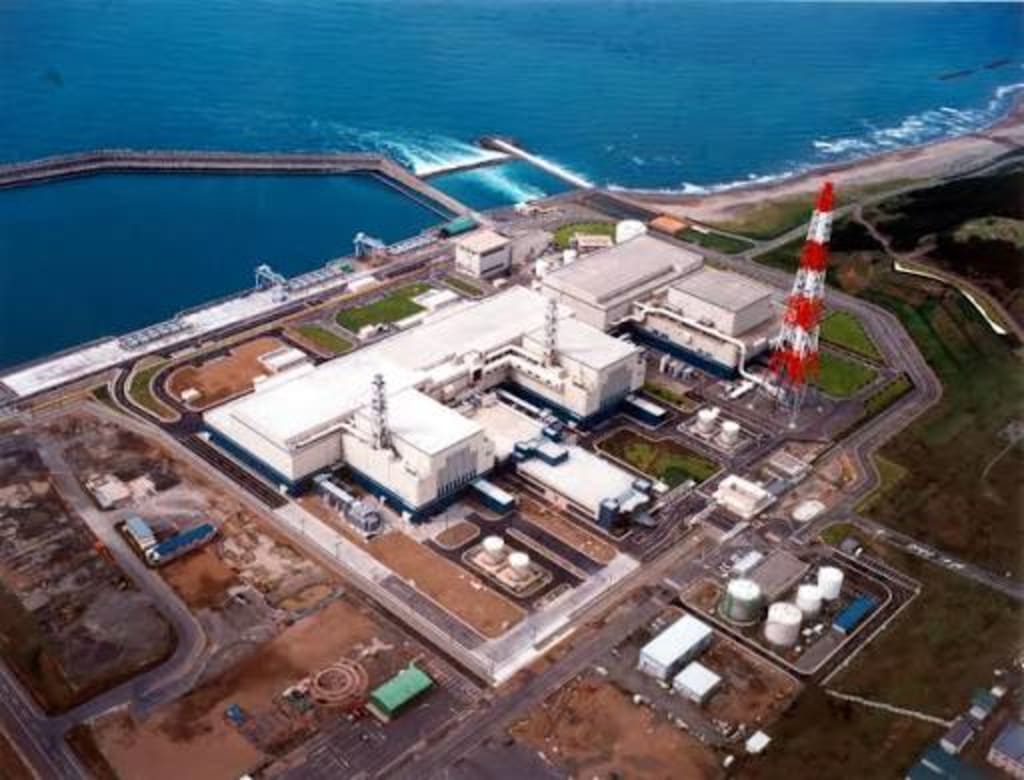
Japan is preparing to restart the world’s largest nuclear power plant, a landmark decision that signals a major shift in the country’s energy policy more than a decade after the Fukushima disaster reshaped public attitudes toward nuclear power. The Kashiwazaki-Kariwa nuclear plant, located in Niigata Prefecture on Japan’s northwest coast, is set to resume operations following regulatory approval and renewed political backing from the central government.
The plant, operated by Tokyo Electric Power Company (TEPCO), has a total capacity of more than 8,000 megawatts, making it the largest nuclear facility in the world by output. It has remained offline since 2011, when Japan shut down nearly all of its nuclear reactors in the aftermath of the Fukushima Daiichi nuclear accident triggered by a massive earthquake and tsunami.
Energy Security and Climate Goals
Japan’s decision to restart the Kashiwazaki-Kariwa plant comes amid growing concerns over energy security and rising fuel costs. Since the nuclear shutdowns, the country has relied heavily on imported fossil fuels such as liquefied natural gas (LNG), coal, and oil to meet its electricity needs. This dependence has made Japan vulnerable to global energy price fluctuations and geopolitical tensions.
Government officials argue that restarting nuclear plants is essential to ensuring a stable and affordable energy supply. “Nuclear power plays a critical role in achieving both energy security and carbon reduction targets,” said a senior official from Japan’s Ministry of Economy, Trade and Industry (METI). “Restarting Kashiwazaki-Kariwa will significantly strengthen our electricity system and reduce reliance on fossil fuels.”
Japan has pledged to achieve carbon neutrality by 2050, and nuclear power is seen as a key component of that strategy. The government aims to raise the share of nuclear energy in its power mix to between 20 and 22 percent by 2030, compared with much lower levels in recent years.
Safety and Regulatory Hurdles
The restart of Kashiwazaki-Kariwa has not been without controversy. The plant faced serious setbacks in recent years after security breaches were discovered in 2021, including failures in access control systems and monitoring equipment. These lapses led Japan’s Nuclear Regulation Authority (NRA) to suspend operations until TEPCO could demonstrate that it had addressed the problems.
Following extensive inspections and corrective measures, the NRA lifted the operational ban in late 2023, clearing the way for preparations to restart one of the plant’s seven reactors. TEPCO has since upgraded security systems, improved employee training, and implemented stricter oversight procedures.
Despite regulatory approval, local consent remains a major hurdle. Under Japan’s informal rules, nuclear plants cannot resume operations without the agreement of local governments. Niigata’s governor has taken a cautious stance, insisting that public trust must be restored before giving final approval.
“We must ensure that safety is fully guaranteed and that lessons from Fukushima are never forgotten,” the governor said in a recent statement. Public hearings and expert panels are expected to play a role in the final decision.Technological and Safety Upgrades
TEPCO has invested billions of dollars in safety upgrades at Kashiwazaki-Kariwa. These include reinforced seawalls, improved backup power systems, upgraded control rooms, and stricter security protocols to prevent unauthorized access.
The plant has also installed new equipment designed to prevent hydrogen explosions like those seen at Fukushima. Emergency drills involving local governments and first responders have been conducted to test evacuation and disaster-response plans.
Regulators emphasize that Japan’s post-Fukushima safety standards are among the strictest in the world. Reactors must pass comprehensive inspections and stress tests before restarting, and utilities face heavy penalties for violations.
Still, critics argue that no technological fix can fully eliminate the risks associated with nuclear power, particularly in a country prone to earthquakes and typhoons.
Global Implications
Japan’s move to restart the world’s largest nuclear plant will be closely watched by other nations reconsidering nuclear energy as part of their climate strategies. Countries such as Germany have moved away from nuclear power entirely, while others, including France and Britain, are investing in new reactors.
If Kashiwazaki-Kariwa resumes operations successfully, it could strengthen the case for nuclear power as a low-carbon alternative to fossil fuels. A failure or new scandal, however, could reinforce fears and reignite opposition.
The decision also carries symbolic weight. Kashiwazaki-Kariwa represents both the promise and peril of nuclear technology: immense power generation on one hand, and potentially catastrophic risk on the other.
A High-Stakes Restart
The restart is expected to occur in phases, with one reactor coming online first before others follow. TEPCO and government officials insist that caution will guide the process and that public safety remains the top priority.
For Japan, the reopening of the world’s biggest nuclear plant is more than an energy policy choice. It is a test of whether the nation has learned from its past and can balance technological ambition with accountability and transparency.
As the reactors prepare to hum back to life, Japan stands at a crossroads between its nuclear legacy and its future energy needs. Whether this decision proves wise will depend not only on engineering and regulation, but on rebuilding public trust in a technology that once promised prosperity and delivered disaster.
About the Creator
Fiaz Ahmed
I am Fiaz Ahmed. I am a passionate writer. I love covering trending topics and breaking news. With a sharp eye for what’s happening around the world, and crafts timely and engaging stories that keep readers informed and updated.
Keep reading
More stories from Fiaz Ahmed and writers in The Swamp and other communities.
UN Human Rights Agency in ‘Survival Mode’, Chief Warns
The United Nations’ top human rights body is operating in “survival mode” as financial shortfalls, political pressure, and rising global crises threaten its ability to function effectively, the agency’s chief has warned. Volker Türk, the UN High Commissioner for Human Rights, said the organization is facing one of the most difficult periods in its history as demand for its work increases while resources continue to shrink. Speaking to diplomats and journalists in Geneva, Türk described a widening gap between the expectations placed on the UN human rights office and the funding available to meet those responsibilities. “We are being asked to do more in more places with fewer resources,” he said. “At the moment, we are in survival mode.” Growing Demand, Shrinking Resources The Office of the High Commissioner for Human Rights (OHCHR) monitors abuses, supports investigations into war crimes, and assists countries in strengthening their legal and judicial systems. In recent years, it has been heavily involved in documenting violations in conflict zones such as Ukraine, Gaza, Sudan, and Myanmar, while also addressing long-standing crises in Afghanistan, Syria, and parts of Africa. Türk noted that global instability and armed conflicts have dramatically increased the need for independent human rights monitoring. Yet the agency’s core budget has not kept pace with this demand. Much of its funding relies on voluntary contributions from member states, which fluctuate depending on political priorities and economic conditions. “This is not a sustainable model,” Türk said. “Human rights cannot depend on charity. They require stable, predictable financing if we are to protect people effectively.” According to UN officials, the agency is currently facing a significant budget gap that could force staff reductions and limit its ability to carry out investigations and field operations. Offices in several regions are already operating with minimal personnel, reducing their capacity to respond quickly to emerging crises. Political Pressure and Criticism Beyond financial challenges, the UN human rights agency is also under increasing political pressure from governments that object to its scrutiny. Some states have accused the office of bias, interference in internal affairs, or exceeding its mandate. Türk acknowledged that criticism is part of the job but warned that attacks on the agency’s legitimacy threaten the broader international human rights system. “When the messenger is weakened, the message itself is weakened,” he said. Several countries have pushed back against reports documenting alleged abuses, particularly in situations involving powerful governments or sensitive conflicts. Diplomats say that disagreements over human rights have become more polarized, making it harder for the UN to build consensus and secure cooperation. Human rights groups argue that political resistance is one of the main reasons the agency’s work is so essential. “The fact that governments are uncomfortable is proof that the office is doing what it is supposed to do,” said a representative of an international rights organization. “Without it, victims would have no voice on the global stage.” Impact on Field Operations The financial and political strain is already affecting operations on the ground. UN human rights officers in conflict zones often work under dangerous conditions, documenting killings, forced displacement, and violations of international law. Reduced funding could mean fewer investigators, delayed reports, and less support for victims seeking justice. Türk warned that cuts would also undermine early warning systems designed to prevent atrocities before they escalate. “Prevention is far less costly than responding after mass violence has occurred,” he said. “But prevention requires investment.” In addition to conflict monitoring, the agency provides technical assistance to countries seeking to reform laws, improve prison conditions, and strengthen protections for women and minorities. These long-term projects are among the first to suffer when budgets tighten, despite their importance in addressing root causes of abuse. A System Under Strain The warning comes at a time when the entire UN system is under financial stress. Several agencies have reported funding shortfalls as donor countries face domestic economic pressures and competing global priorities, including climate change and humanitarian aid. The UN Secretary-General has repeatedly urged member states to increase support for human rights work, calling it one of the three pillars of the organization alongside peace and security and development. Yet human rights spending remains a small fraction of the overall UN budget. Türk emphasized that protecting human rights is not optional but central to preventing conflict and maintaining global stability. “If we allow this system to weaken, the consequences will be felt far beyond Geneva,” he said. Calls for Reform and Support To address the crisis, Türk has called for reforms to ensure more reliable funding, including increasing the share of the UN’s regular budget allocated to human rights. He also urged governments to resist politicizing the agency’s work and to respect its independence. Some diplomats have expressed support for these proposals, but progress has been slow. Negotiations over UN budgets are often contentious, with countries divided over priorities and spending levels. Civil society groups have launched campaigns urging governments to step up contributions and defend the agency from political attacks. “This is a moment of truth,” said one activist. “Either states invest in the protection of human dignity, or they accept a world where abuses go unchecked.” A Critical Juncture Türk concluded his remarks with a stark warning about the future of the global human rights system. “We are at a crossroads,” he said. “If the international community does not act now, we risk losing one of the most important mechanisms we have to uphold universal values.” As conflicts multiply and authoritarianism rises in many parts of the world, the role of the UN human rights agency has never been more crucial—or more fragile. Whether governments will respond to its plea for support may determine not only the agency’s survival but also the credibility of the international commitment to human rights itself. For victims of abuse and repression, the stakes could not be higher. The question now is whether the world’s nations will choose to strengthen the system designed to protect them, or allow it to erode under pressure.
By Fiaz Ahmed 2 days ago in The Swamp
Why Black History Matters in America?
The United States of America is celebrating their 250th anniversary in 2026. I'm proud to be an American and as someone who was born here, I wouldn't imagine myself living anywhere else. This is a country where opportunities are possible. Where anyone can be successful in anything they desire to do. Equality, community, and togetherness are the backbones of what America is and should be about. However, we have an administration who wants to erase and disregard those who have made positive, meaningful impacts in our country, specifically Black figures, such as Martin Luther King, Jr., Rosa Parks, and Maya Angelou. President Trump and his administration have been constantly complaining and fighting against what they call the "Woke agenda". They use this excuse as a distraction from other issues they refuse to address, such as the high cost of living, climate change, and inflation. That equality is dividing America, when in reality, it's bringing us together. Being woke is not tied to a specific political party. No matter where you stand on the political spectrum, you can still care about other people and their plights. Compassion and empathy for others isn't tied to a political party, either. We were taught as children to treat others the way we want to be treated and not judge others because they're different from us. Caring about others isn't a personal attack on your beliefs. It doesn't make you any less of a person. People who are easily offended over African American figures, past or present, or anything related to it, are grasping at straws. Current and future generations need to know who people like Harriet Tubman and Shirley Chisholm were, especially in the classroom. Black History is part of American History. It should be recognized, not hidden or forgotten. Besides, you can't shield children from everything, just because your feelings are easily hurt.
By Mark Wesley Pritchard 6 days ago in The Swamp
Rafah Crossing Reopens, But Only a Dozen Palestinians Cross into Egypt on First Day
After months of anticipation and nearly two years of closure, the Rafah border crossing between Gaza and Egypt finally reopened. For many Palestinians, the reopening was seen as a lifeline — a rare opportunity to escape the besieged enclave for medical treatment, safety, or family reunification. However, the reality of the first day painted a far more sobering picture.
By Ayesha Lashari5 days ago in The Swamp
Book Review: Atmosphere by Taylor Jenkins Reid
I flipped the book over in my hands in the centre of the small airport book shop. Although I had heard promising reviews of Atmosphere by Taylor Jenkins Reid, I hesitated. The synopsis didn’t compel me - I wasn’t much of a space girly. In high school it made me cringe when my peers would talk about the stars.
By sleepy drafts5 days ago in BookClub



Comments
There are no comments for this story
Be the first to respond and start the conversation.