
Italy’s Railways Targeted in ‘Serious Sabotage’ as Winter Olympics Begin
Authorities investigate coordinated disruptions amid security concerns and global attention on the Olympic Games
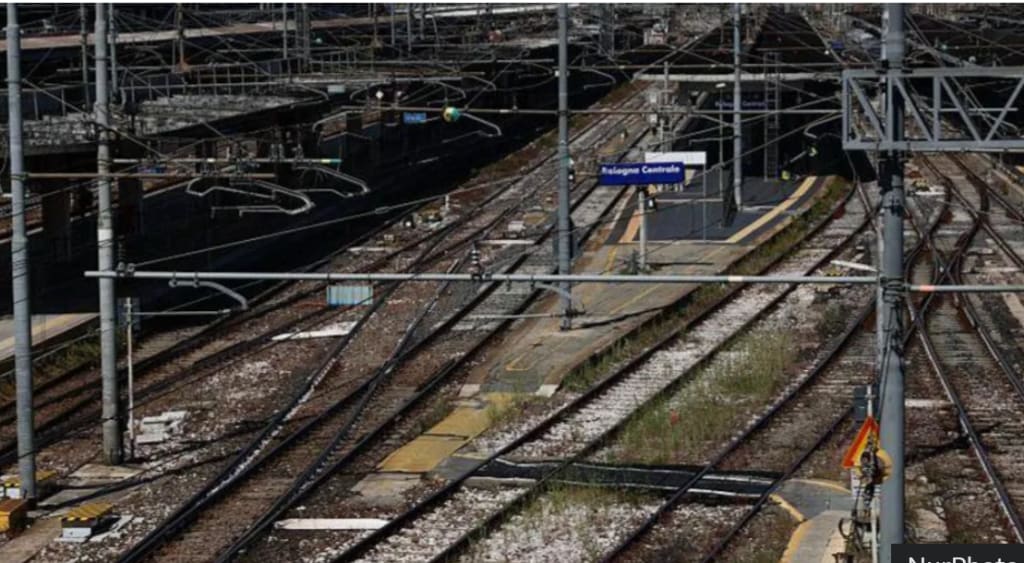
As Italy welcomed athletes, officials, and spectators for the opening of the Winter Olympics, the country faced an unexpected security challenge. Italian authorities reported that the national railway system was hit by what they described as a “serious sabotage”, raising concerns about infrastructure security during a major global event.
The timing of the disruption has drawn international attention, as millions of viewers and thousands of visitors are focused on the Olympics. While no casualties were reported, the incident has triggered heightened security measures and an urgent investigation into the cause and potential perpetrators.
What Happened: Disruption to Italy’s Rail Network
According to Italy’s transport authorities, parts of the railway system experienced significant disruptions due to deliberate interference. Initial reports suggest that critical components of the rail infrastructure were damaged or tampered with, leading to delays, cancellations, and safety concerns for passengers.
Rail networks play a vital role during international sporting events, especially in a country like Italy, where trains are a primary mode of transportation for both locals and tourists. With Olympic venues spread across multiple regions, the rail system is essential for moving athletes, officials, and fans efficiently.
The sabotage incident caused confusion among travelers, with stations reporting overcrowding and delays during the crucial opening days of the Games.
Authorities Call It “Serious Sabotage”
Italian officials did not mince words in describing the incident. The government labeled the disruption as serious sabotage, indicating that the damage was intentional and potentially coordinated. Investigators are examining whether the act was politically motivated, linked to extremist groups, or carried out by individuals seeking to disrupt the high-profile event.
Security agencies have launched a full-scale investigation, reviewing surveillance footage, analyzing technical data, and questioning staff and witnesses. Italy’s counterterrorism units are also involved, given the sensitive timing and international significance of the Olympics.
Security Concerns During Major Global Events
Large international events like the Olympics often become targets for sabotage, cyberattacks, and other disruptive activities. Such events attract global attention, making them symbolic targets for individuals or groups seeking publicity.
Railways, power grids, and communication systems are considered critical infrastructure. Disrupting them can cause widespread panic, economic losses, and logistical chaos without requiring direct violence.
The incident in Italy highlights the vulnerability of infrastructure systems, even in highly developed nations with advanced security protocols.
Impact on the Winter Olympics
While the sabotage did not directly affect Olympic competitions, it created logistical challenges for organizers and participants. Athletes, coaches, and spectators rely heavily on public transport to travel between venues, hotels, and training facilities.
Organizers quickly implemented contingency plans, including additional buses and alternative transport routes. Volunteers and security personnel were deployed to assist stranded passengers and manage crowd flow.
Despite the disruption, the opening ceremonies proceeded as planned, showcasing Italy’s cultural heritage and the spirit of the Games. However, the incident cast a shadow over the celebrations, reminding the world of the complex security challenges surrounding global events.
Public Reaction and Political Response
The public reaction in Italy has been a mix of concern, frustration, and resilience. Travelers expressed anger over delays and uncertainty, while many praised authorities for responding quickly and preventing injuries.
Political leaders across the spectrum condemned the sabotage, calling it an attack on national infrastructure and public safety. The Italian government pledged to strengthen security measures and ensure that the Games continue without further disruptions.
Opposition parties also urged the government to invest more in infrastructure security and modernization, arguing that aging systems are more vulnerable to sabotage and technical failures.
Investigating the Motive
At the time of reporting, the motive behind the sabotage remains unclear. Authorities are exploring several possibilities:
Political or Ideological Motivation: Some groups oppose large international events due to environmental, economic, or political reasons.
Criminal Activity: Sabotage could be linked to organized crime or individuals seeking to extort authorities or disrupt services.
Cyber-Physical Attack: Modern infrastructure often combines physical and digital systems, raising the possibility of coordinated cyber and physical interference.
Individual Action: Lone actors seeking attention or expressing grievances may also be responsible.
Investigators are cautious about releasing details until more evidence is collected.
The Role of Infrastructure Security
The incident has reignited discussions about infrastructure resilience in Europe and beyond. Railways, power grids, and communication networks are essential for national security and economic stability.
Experts argue that infrastructure security requires continuous investment, advanced monitoring systems, and coordinated response strategies. The Olympics, with their massive logistical demands, serve as a stress test for these systems.
Italy’s experience may prompt other countries hosting major events to reassess their security protocols and emergency preparedness plans.
International Implications
The sabotage incident has drawn attention from international security agencies and Olympic organizers worldwide. With future global events scheduled in different countries, the need for robust infrastructure protection is more critical than ever.
International cooperation, intelligence sharing, and joint security exercises are often used to mitigate risks during such events. Italy’s case may become a reference point for future security planning.
Resilience Amid Disruption
Despite the sabotage, Italy’s response demonstrated resilience and organizational capacity. Authorities restored services, implemented alternative transport solutions, and reassured the public and international visitors.
The Olympics are meant to symbolize unity, peace, and human achievement. While the sabotage attempt sought to disrupt this narrative, the continuation of the Games sends a message that such acts will not derail global cooperation and celebration.
Conclusion
Italy’s declaration that its railways were hit by “serious sabotage” as the Winter Olympics began has raised serious questions about infrastructure security, political motives, and the challenges of hosting global events. The timing of the incident amplified its impact, drawing global attention and prompting swift action from authorities.
While the investigation continues, the episode serves as a reminder that modern societies depend heavily on interconnected systems that must be protected against both physical and digital threats. As Italy moves forward with the Games, the focus remains on safety, resilience, and the enduring spirit of international unity that the Olympics represent.
About the Creator
The Saddest Thing - The Billionaires Who Rule America Aren't Even Enjoying Themselves
This single post says more about our ruling class than a thousand policy papers. The saddest thing about today's system is that the men robbing the rest of us - sabotaging our economic prospects, our pensions, our access to affordable healthcare - are not even happy.
By Scott Christenson🌴6 days ago in The Swamp
The Search for Answers Continues
The Epstein case remains a center of research and debate around the world. In 2025 and 2026, the U.S. government released a new batch of documents, including millions of pages, letters, visitor logs, and interviews. Through these documents, the public and media have reexamined the complexity of the case, the failures of the institutions, and the rights of the victims.
By Echoes of Life3 days ago in The Swamp
The Angry Man in Your House
"If you grow up with an angry man in your house, there will always be an angry man in your house" This statement has caused plenty of controversy online, people say its a statement that blames victims while also undermining those who break traumatic cycles to form health relationships... but if I'm honest now that I'm in my 30s it makes more sense to me than ever, and I'd argue that its not just about fathers and uncles.
By S. A. Crawford5 days ago in Humans




Comments
There are no comments for this story
Be the first to respond and start the conversation.