
Israel to Free 737 Prisoners in Initial Phase of Gaza Ceasefire Agreement
Background and Context of the Gaza Ceasefire Agreement
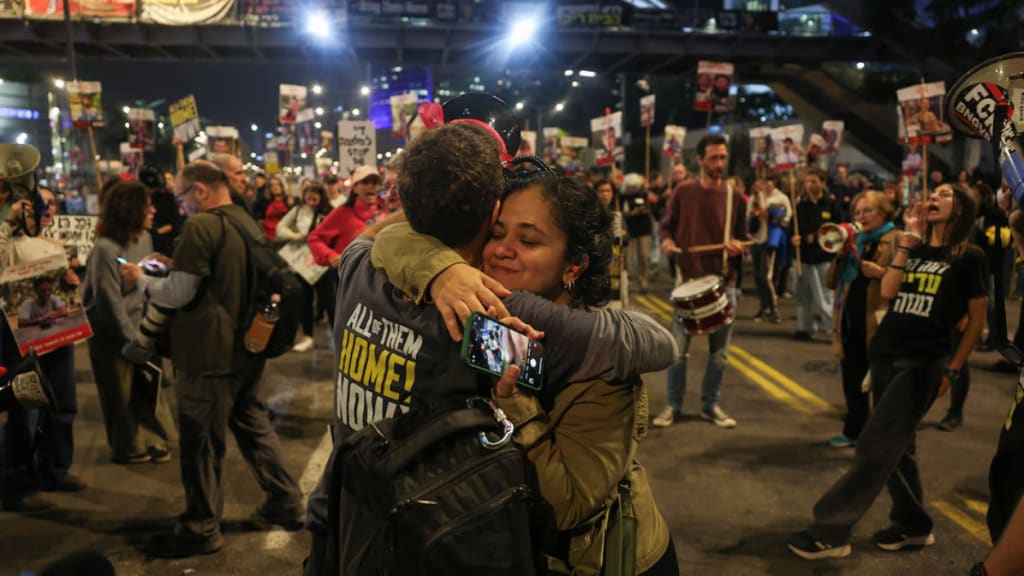
Jerusalem:
In a landmark decision, Israel’s justice ministry has announced that 737 prisoners and detainees will be released as part of the first phase of the Gaza ceasefire and hostage exchange deal, which was approved on Saturday. The ministry confirmed on its official website that the government has authorized the release of these individuals, who are currently held in Israeli prisons. This move is a key component of the broader agreement aimed at de-escalating tensions and facilitating the return of hostages held by Hamas.
The Israeli cabinet voted early Saturday to approve the ceasefire agreement, according to a statement from Prime Minister Benjamin Netanyahu’s office. This decision ended days of uncertainty and speculation about whether the truce would take effect this weekend. The agreement represents a significant step toward reducing hostilities in the region, though challenges remain as both sides work to implement its terms.
Details of the Prisoner Release
The justice ministry provided details about the prisoners slated for release, revealing that the list includes men, women, and children. The releases are scheduled to begin no earlier than Sunday at 4:00 PM local time (1400 GMT). Earlier, the ministry had published a preliminary list of 95 Palestinian prisoners, most of whom were women, who were to be freed in exchange for Israeli hostages held in Gaza.
Among the notable names on the expanded list is Zakaria Zubeidi, a prominent figure in the armed wing of Palestinian President Mahmoud Abbas’s Fatah party. Zubeidi gained widespread attention in 2021 after orchestrating a daring escape from Israel’s high-security Gilboa prison alongside five other Palestinians. The incident triggered a days-long manhunt, and Zubeidi is celebrated by many Palestinians as a symbol of resistance against Israeli occupation.
Another high-profile individual set to be released is Khalida Jarar, a leftist Palestinian lawmaker and a leading member of the Popular Front for the Liberation of Palestine (PFLP). The PFLP is designated as a "terrorist organization" by Israel, the United States, and the European Union. Jarar, who has been arrested and imprisoned by Israeli authorities on multiple occasions, was detained in late December in the West Bank, a territory occupied by Israel since 1967. The 60-year-old has been held without formal charges since her arrest, drawing criticism from human rights organizations.
Hostage Exchange and Ceasefire Terms
The ceasefire agreement also includes provisions for the release of Israeli hostages held by Hamas. According to sources close to the Palestinian Islamist movement, the first group of hostages to be released consists of three Israeli women soldiers. However, Hamas considers any Israeli of military age who has completed mandatory service as a soldier, meaning the term could also apply to civilians abducted during the October 7 attack that triggered the current conflict.
A list obtained by AFP of the 33 hostages scheduled for release in the first phase includes three women under the age of 30 who were not actively serving in the military at the time of the Hamas attack. These individuals are expected to be among the first to be returned to their families as part of the exchange.
Broader Implications of the Agreement
The ceasefire deal marks a critical step toward reducing violence and addressing the humanitarian crisis in Gaza. However, the situation remains fragile, as both sides navigate the complexities of the agreement. The release of prisoners and hostages is a highly sensitive issue, with each side seeking to ensure that its interests are protected.
Justice ministry spokeswoman Noga Katz emphasized that the final number of prisoners to be freed in the initial exchange will depend on how many living hostages Hamas releases. This condition highlights the delicate nature of the negotiations and the ongoing efforts to ensure the safe return of all parties involved.
Reactions and Challenges
The announcement of the prisoner release has elicited mixed reactions. While many Palestinians view the move as a victory and a step toward justice, some Israeli officials and citizens have expressed concerns about the potential risks of releasing individuals with ties to militant groups. The inclusion of figures like Zubeidi and Jarar on the list has sparked debate about the long-term implications of the agreement.
Meanwhile, international observers have called for continued dialogue and confidence-building measures to sustain the ceasefire and address the root causes of the conflict. The United Nations and other global organizations have urged both sides to prioritize the protection of civilians and work toward a lasting resolution.
Looking Ahead
As the first phase of the ceasefire agreement is implemented, all eyes will be on the region to see whether the truce holds and whether further steps are taken to build on this progress. The release of prisoners and hostages is a significant milestone, but much work remains to be done to achieve a comprehensive and sustainable peace.
The coming days will be critical in determining the trajectory of the conflict and the prospects for a broader resolution. For now, the focus remains on ensuring the safe return of hostages, addressing the humanitarian needs of those affected by the violence, and creating an environment conducive to lasting peace.
In conclusion, the Gaza ceasefire agreement represents a glimmer of hope in a conflict that has caused immense suffering on both sides. While challenges and uncertainties remain, the release of 737 prisoners and the return of hostages mark a pivotal moment in the ongoing efforts to de-escalate tensions and pave the way for a more stable future.
**********************************************************************
Sources:
NDTV
Google News
About the Creator
Keep reading
More stories from Jebaraj Jacob and writers in The Swamp and other communities.
Israel-Hamas Ceasefire Delayed as Hostage Exchange Begins
A pivotal ceasefire between Israel and Hamas commenced on Sunday after 15 months of intense conflict, though implementation was delayed for several hours. This development follows a historic agreement mediated by Egypt, Qatar, and the United States, aiming to halt hostilities and initiate the mutual release of captives: hostages held by Hamas in Gaza and Palestinian prisoners detained by Israel. The fragile truce marks a significant moment in West Asia’s geopolitical landscape, but questions about Gaza’s future linger.
By Jebaraj Jacob about a year ago in The Swamp
Asia-Pacific Stocks Set for Subdued Open as Trump–EU Tensions Rattle Risk Sentiment: Key Trading Signals Today
Asia-Pacific equity markets are poised for a cautious start, reflecting heightened investor anxiety as escalating tensions between the United States and the European Union cast a shadow over global risk sentiment. Traders in the region are bracing for a subdued session, with geopolitical uncertainty amplifying the usual mix of macroeconomic considerations and corporate earnings updates that typically drive trading activity.
By Salaar Jamaliabout 2 hours ago in The Swamp



Comments
There are no comments for this story
Be the first to respond and start the conversation.