
Israel-Hamas Ceasefire Delayed as Hostage Exchange Begins
Key events leading up to the ceasefire negotiations
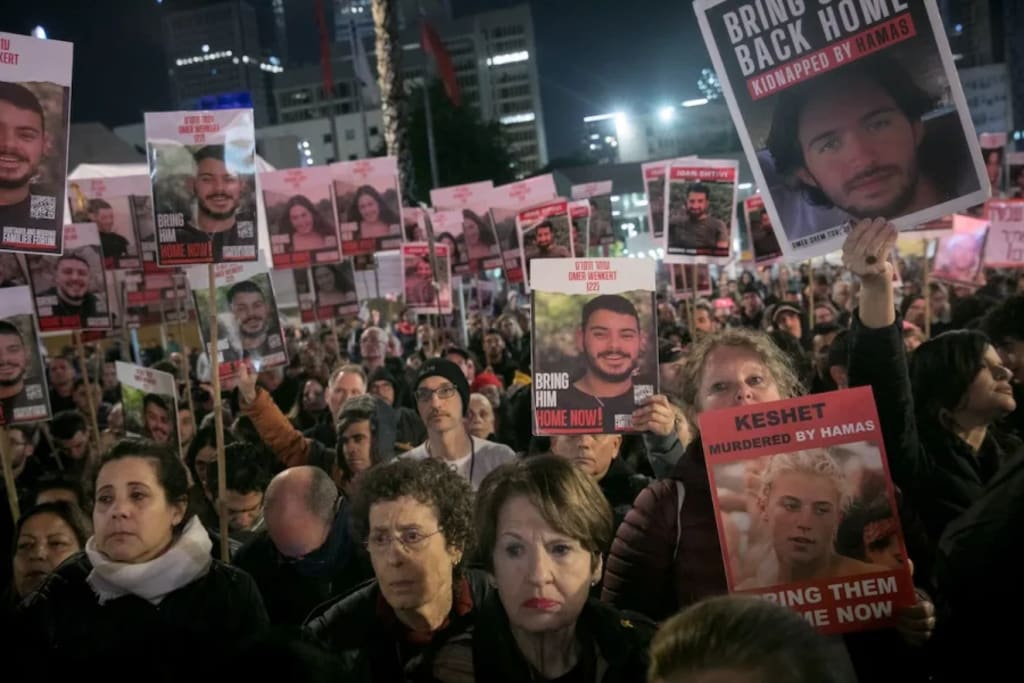
A pivotal ceasefire between Israel and Hamas commenced on Sunday after 15 months of intense conflict, though implementation was delayed for several hours. This development follows a historic agreement mediated by Egypt, Qatar, and the United States, aiming to halt hostilities and initiate the mutual release of captives: hostages held by Hamas in Gaza and Palestinian prisoners detained by Israel. The fragile truce marks a significant moment in West Asia’s geopolitical landscape, but questions about Gaza’s future linger.
Ceasefire Takes Effect
The ceasefire began at 9:15 GMT (2:45 pm IST), with reports from Hamas-linked media confirming the withdrawal of Israeli troops from parts of Gaza. The delay stemmed from a procedural snag — Hamas disclosed the names of three women hostages only hours after the scheduled ceasefire. Israel, insisting on full compliance, had vowed to continue military operations until the list was provided.
The initial six-week ceasefire framework involves phased releases. By 7:30 PM IST on Sunday, three hostages were to be released as part of the first group. The broader arrangement stipulates that for every batch of hostages freed, Israel will release nearly 2,000 Palestinian detainees. This reciprocal exchange, including women, children, and elderly prisoners, is intended to foster incremental progress toward peace.
A Complex Prisoner Exchange
The exchange process is fraught with tension. On the first day, three female captives were handed over to the Red Cross, with 90 Palestinian prisoners slated for release in return. Over the coming weeks, the releases will follow a weekly cadence, with young Palestinians, including teenagers and individuals linked to militant activity, among those liberated. This controversial aspect of the ceasefire divides Israeli public opinion. Many citizens prioritize the hostages' safety, but some express concern over the security risks posed by releasing militants back into Gaza.
The truce has come with cautionary measures. Israel’s military has issued strict warnings to Gaza’s residents, urging them to avoid specific areas where operations might continue. This underscores the delicacy of managing a ceasefire in a volatile environment where tensions remain dangerously high.
Diplomatic Pressure and Fragility
Sustained diplomatic pressure, particularly from Washington, played a pivotal role in advancing the ceasefire agreement. Former U.S. President Trump emphasized a swift resolution, warning Hamas of severe repercussions for failing to release hostages. While this rhetoric, combined with behind-the-scenes negotiations, helped forge the truce, its durability is uncertain.
Gaza’s Future Remains in Question
While the ceasefire offers hope for de-escalation, Gaza’s humanitarian crisis looms large. According to the Gaza Health Ministry, nearly 47,000 Palestinians have died since the conflict’s resurgence in October 2023. Israel disputes these figures, asserting that many casualties were Hamas militants, though local authorities claim most victims were civilians.
The devastation in Gaza is profound. Entire neighborhoods lie in ruins, infrastructure is crippled, and rebuilding the enclave could take years and billions of dollars in aid. However, successful reconstruction hinges on regional political stability — a distant prospect in the current climate.
Despite heavy losses, Hamas maintains a presence in Gaza and has pledged continued resistance. Conversely, Israel’s military has reinforced strategic zones, likely aiming to create buffer areas for future operations. This tactical maneuver reflects Israel’s firm stance against the resurgence of Hamas control in the region.
The ceasefire, though momentous, represents only the beginning of a challenging road toward potential peace and recovery in Gaza.
Conclusion
In conclusion, the Israel-Hamas ceasefire marks a critical juncture in a prolonged and devastating conflict, offering a temporary halt to the violence and a delicate path toward potential peace. The phased release of hostages and prisoners symbolizes a fragile step in rebuilding trust, though deep divisions and unresolved tensions persist on both sides. The humanitarian crisis in Gaza remains dire, with widespread destruction demanding substantial global aid and long-term political stability for meaningful reconstruction. Whether this ceasefire can evolve into a sustainable peace or collapse under the weight of lingering hostilities will depend on continued diplomatic efforts, strategic compromise, and a shared commitment to ending the cycle of conflict.
*********************************************************
Source
Times of India
google news
About the Creator
Keep reading
More stories from Jebaraj Jacob and writers in The Swamp and other communities.
Trump’s Inauguration Relocated Indoors Due to Freezing Weather
Donald Trump announced that his inauguration as president will be moved indoors due to extremely cold weather expected in Washington, D.C., on the day of his swearing-in. This change in plans significantly alters the grand ceremonial expectations that usually accompany the event, particularly the outdoor setting on the steps of the U.S. Capitol. Trump confirmed via his Truth Social platform that he had decided to hold the event in the Capitol Rotunda instead, citing the harsh Arctic blast sweeping across the country.
By Jebaraj Jacob 12 months ago in The Swamp
The Galaxy S26 Finally Has a Real Launch Window and It’s Not What Samsung Usually Does
For months, the Galaxy S26 has resided in that peculiar spot where tech aficionados know it’s coming, but no one can predict precisely when it will come. Samsung’s flagship phones normally follow a regular schedule, but this year, that rhythm altered—just enough to make many question whether anything was unusual behind the scenes.
By abualyaanart3 days ago in The Swamp


Comments
There are no comments for this story
Be the first to respond and start the conversation.