
Israel to Bar 37 Aid Groups as UK and EU Warn of Severe Impact in Gaza
New restrictions threaten life-saving aid in Gaza, sparking international concern over humanitarian consequences.

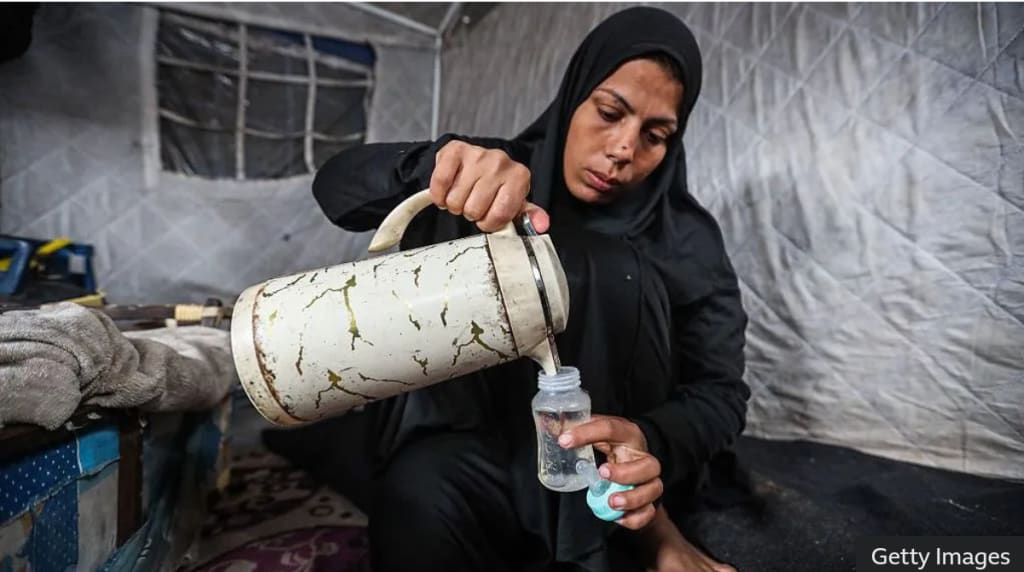
Israel’s recent decision to bar 37 international aid organisations from operating in Gaza has raised alarms across the globe. The United Kingdom, the European Union, and multiple other countries have warned that this move could severely disrupt humanitarian efforts, leaving civilians in Gaza at greater risk.
The ban, set to take effect in January 2026, comes amid new Israeli regulations requiring NGOs to meet strict transparency and security standards. According to Israeli authorities, the affected organisations failed to provide detailed information about their Palestinian staff and operations — a step the government says is necessary to ensure security.
However, humanitarian groups and international critics argue that these requirements are excessive and arbitrary. They warn that halting operations of these NGOs could worsen an already dire humanitarian situation in Gaza.
Why Israel Says the Ban Is Necessary
Israeli officials insist that the new rules are a matter of national security. NGOs operating in Gaza must disclose detailed staff information and prove compliance with rigorous vetting processes. Authorities claim that failing to meet these standards threatens security and undermines oversight of aid operations.
The 37 organisations affected include globally recognised NGOs such as Médecins Sans Frontières (Doctors Without Borders), Oxfam, World Vision International, CARE International, and the Norwegian Refugee Council. These groups provide essential services like healthcare, food, shelter, and water sanitation — services critical to millions of Gazans.
Israeli authorities have stated that humanitarian assistance will continue through approved channels, including UN agencies and vetted partners. They argue that the barred groups account for a relatively small percentage of overall aid entering Gaza.
Humanitarian Concerns and International Backlash
The decision has drawn sharp criticism from the UK, EU, and other Western nations, who warn that removing these organisations will obstruct life-saving aid. EU humanitarian chief Hadja Lahbib emphasized that international humanitarian law demands assistance reach civilians, especially in conflict zones.
The United Nations rights chief called the ban “arbitrary” and urged Israel to reconsider, saying the suspension will make “an already intolerable situation even worse.” Several foreign ministers, including from the UK, Canada, France, and Japan, echoed these concerns, highlighting the urgent need for food, medical care, and shelter in Gaza.
The Risk for Civilians
Gaza’s humanitarian situation remains fragile and precarious. Even before the ban, many hospitals operated at limited capacity, food and water supplies were insufficient, and winter storms destroyed temporary shelters.
By removing 37 major aid organisations, critics say Israel risks creating dangerous gaps in essential services. Many local Gazans rely on these NGOs for survival, and UN agencies alone may struggle to fill the void. Without continued support, the region faces the potential for increased malnutrition, medical crises, and deteriorating living conditions.
Data Protection and Safety Issues
A major concern cited by several NGOs is the safety of their Palestinian staff. Sharing detailed personal data with the Israeli government could put employees at risk, especially in a politically sensitive environment.
Doctors Without Borders and other organisations have publicly stated that they take staff safety seriously and rigorously screen employees to ensure no connections to militant groups. They continue negotiations to clarify misunderstandings and find ways to continue operations safely.
What the International Community Is Doing
Western governments, UN agencies, and civil society organisations are pressing Israel to allow predictable and unhindered humanitarian access. They stress that aid delivery should remain independent of political disputes and focused solely on protecting civilians.
At the same time, Israel maintains that transparency and security compliance are essential to preventing misuse of aid and maintaining safety in conflict zones. This tension highlights the complexity of delivering humanitarian assistance in politically charged areas.
Looking Ahead
As the ban takes effect, Gaza’s humanitarian landscape faces new challenges. How international actors, aid organisations, and Israel respond in the coming months could determine whether relief efforts succeed or falter.
The situation serves as a stark reminder of how political decisions directly affect the lives of civilians, and the importance of maintaining access to humanitarian aid in conflict zones.
In 2026, the world will be watching closely as Gaza navigates these unprecedented restrictions, and whether diplomatic pressure can prevent a worsening crisis.
About the Creator
Muhammad Hassan
Muhammad Hassan | Content writer with 2 years of experience crafting engaging articles on world news, current affairs, and trending topics. I simplify complex stories to keep readers informed and connected.
Keep reading
More stories from Muhammad Hassan and writers in The Swamp and other communities.
10 Conflicts to Watch in 2026
As global power shifts and geopolitical tensions rise, the year 2026 is shaping up to be a turning point for international relations. From long-running territorial disputes to emerging flashpoints driven by climate, politics, and technology, the world is entering a period of heightened uncertainty. Below are 10 major conflicts to watch in 2026, each with the potential to reshape regional stability and global politics. 1. Russia–Ukraine War: A Prolonged Struggle Despite years of fighting, the Russia–Ukraine conflict shows no clear end. As 2026 approaches, the war continues to reshape European security, global energy markets, and NATO’s role. Whether through escalation, stalemate, or fragile negotiations, the outcome will have lasting consequences for Europe and beyond. 2. Israel–Palestine Conflict The long-standing conflict between Israel and Palestine remains one of the most volatile in the world. Periodic escalations, humanitarian crises in Gaza, and regional involvement keep tensions high. In 2026, diplomatic efforts may intensify, but deep-rooted political and territorial disagreements continue to challenge peace. 3. Taiwan–China Tensions Taiwan sits at the center of growing geopolitical rivalry between China and the United States. Beijing’s insistence on reunification and increasing military pressure around the island raise fears of confrontation. Any escalation would have global economic consequences, particularly for the semiconductor industry. 4. South China Sea Disputes Several nations — including China, the Philippines, Vietnam, and Malaysia — claim parts of the South China Sea. With increased military patrols and strategic competition, 2026 could see rising tensions affecting global trade routes and regional stability. 5. Iran and the Middle East Power Struggle Iran’s regional influence, nuclear ambitions, and strained relations with Western nations continue to shape Middle Eastern geopolitics. Proxy conflicts in Syria, Yemen, and Iraq remain active, while tensions with Israel and Gulf states could escalate into broader confrontation. 6. North Korea and the Korean Peninsula North Korea’s ongoing missile tests and nuclear ambitions remain a serious concern. Diplomatic engagement has stalled, and the Korean Peninsula remains one of the world’s most militarized regions. In 2026, regional security will depend heavily on diplomacy involving South Korea, the U.S., China, and Japan. 7. Sudan’s Internal Conflict Sudan’s ongoing power struggle between rival military factions has triggered a devastating humanitarian crisis. As violence continues into 2026, international mediation efforts will be critical to prevent further regional instability across North and East Africa. 8. Sahel Region Instability Countries like Mali, Niger, and Burkina Faso face growing insecurity driven by militant groups, political instability, and climate stress. The Sahel’s fragile governments and shifting alliances make it one of the most unpredictable regions heading into 2026. 9. Armenia–Azerbaijan Tensions Despite ceasefire agreements, tensions between Armenia and Azerbaijan remain high following conflicts over Nagorno-Karabakh. Border incidents and political uncertainty keep the risk of renewed fighting alive, with implications for regional energy routes and diplomacy. 10. Venezuela’s Political and Economic Crisis Venezuela’s prolonged economic collapse and political standoff continue to fuel regional migration and instability. As elections and international negotiations evolve, 2026 may prove decisive in determining whether the country moves toward recovery or deeper crisis. Conclusion: A World at a Crossroads The conflicts shaping 2026 reflect a world navigating power shifts, climate stress, and unresolved historical tensions. While diplomacy remains the preferred path forward, rising nationalism and competition threaten global stability. Understanding these conflicts is essential for anticipating how international relations, economies, and humanitarian conditions may evolve in the years ahead. As the world becomes more interconnected, the consequences of regional conflicts increasingly ripple across borders — making global awareness more important than ever.
By Muhammad Hassan19 days ago in The Swamp
Trump’s Board of Peace: Several Leaders Invited — But How Will It Actually Work
Donald Trump is at it again. In early 2026, the former U.S. president unveiled a new initiative that’s turning heads around the world: the Board of Peace. Designed to oversee the next phase of his Gaza peace plan, this board promises to bring together world leaders to “rethink” global conflict resolution. But the big question on everyone’s mind: How will it actually work? Let’s break it down. What Is the Board of Peace? Trump describes the Board of Peace as a “bold new approach” to conflict resolution. At its core, it’s meant to supervise the Gaza peace plan, focusing on disarmament, reconstruction, and long-term stability. Unlike traditional institutions like the United Nations, this board is Trump’s vision of a more hands-on, fast-moving diplomatic body. He hopes it can tackle Gaza — and maybe even other global hotspots — with more flexibility than existing international organizations allow. Who’s Been Invited? Trump’s outreach is ambitious. The invitations have gone to a mix of nations from different continents, including: Europe: European Union executives, Hungary Asia: Thailand, Vietnam Eurasia: Russia, Belarus South America: Argentina Africa & Middle East: Morocco Some countries have already accepted. Others, like France, are hesitant. Russia is reviewing its invitation, and China has confirmed it received one but hasn’t declared a decision. Even Israel has mixed reactions, with some officials supportive and others openly critical. The diversity of invited nations makes for a diplomatic puzzle — and raises questions about how decisions will be made. The Controversy Unsurprisingly, not everyone is thrilled. Critics argue that the Board could undermine existing global frameworks. Some of the biggest concerns include: Relationship with the U.N.: By creating a new body, Trump’s Board might challenge the U.N.’s traditional peacekeeping role. Funding & membership: A proposed $1 billion contribution for permanent membership raises questions about equity and influence. Diverse interests: Countries with conflicting priorities could clash on policy, making decision-making complicated. France has already declined to participate, citing these concerns. Israeli politicians are also wary, worried about security and influence in Gaza. How Will It Work? Details are still emerging, but a few structural elements are clear: Countries that contribute $1 billion may secure permanent membership. Others can participate on shorter, renewable terms. The board will oversee an executive committee responsible for implementing the second phase of the Gaza plan: disarmament, security deployment, and infrastructure rebuilding. Trump calls this a “new model” of international cooperation — one that he hopes is more practical and responsive than existing institutions. But questions about legitimacy, governance, and enforcement remain. What’s Next? The big reveal is expected at the World Economic Forum in Davos later this month. That’s when the official membership list and operational charter will likely be announced. For now, countries are weighing their participation. How many will commit? Who will be left on the sidelines? And will the board actually be able to influence peace in Gaza? These are questions that will shape the Board’s credibility — and its future. Why It Matters Beyond Gaza, the Board of Peace could signal a shift in global diplomacy. If it works, it might emerge as an alternative or complement to the U.N., offering a new way for countries to collaborate on conflicts. But it’s also a gamble. Success depends on broad participation and clear rules. Without that, the Board risks being symbolic rather than transformative. Final Thoughts Trump’s Board of Peace is ambitious, controversial, and still largely undefined. It could be a breakthrough in diplomacy or another example of high-profile political theater. What’s clear is that the world is watching — and the reactions of invited leaders will likely determine whether this new initiative is a historic experiment in peacebuilding or just another headline.
By Aqib Hussainabout 6 hours ago in The Swamp


Comments
There are no comments for this story
Be the first to respond and start the conversation.