
10 Conflicts to Watch in 2026
From geopolitical rivalries to regional power struggles, these emerging conflicts could define global stability in 2026.

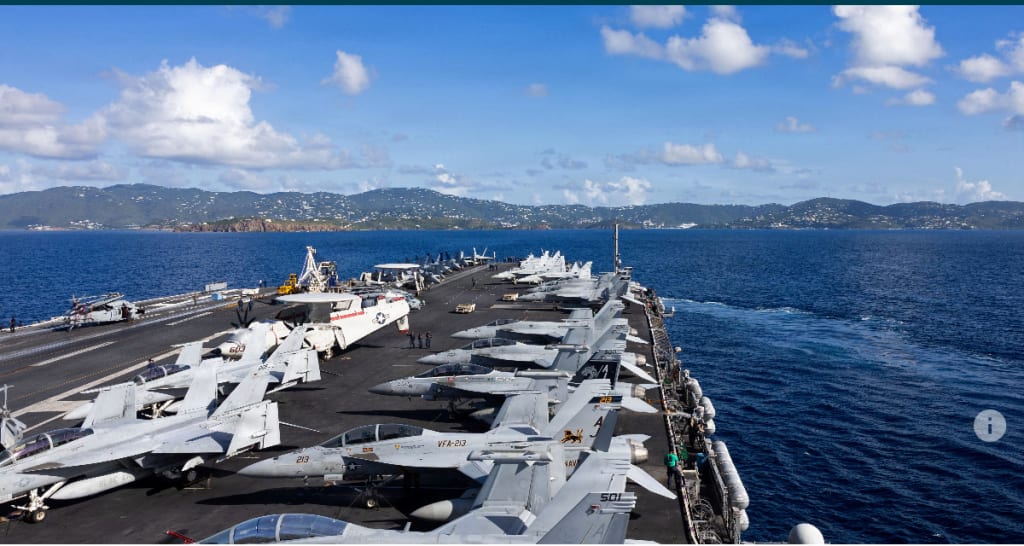
As global power shifts and geopolitical tensions rise, the year 2026 is shaping up to be a turning point for international relations. From long-running territorial disputes to emerging flashpoints driven by climate, politics, and technology, the world is entering a period of heightened uncertainty.
Below are 10 major conflicts to watch in 2026, each with the potential to reshape regional stability and global politics.
1. Russia–Ukraine War: A Prolonged Struggle
Despite years of fighting, the Russia–Ukraine conflict shows no clear end. As 2026 approaches, the war continues to reshape European security, global energy markets, and NATO’s role. Whether through escalation, stalemate, or fragile negotiations, the outcome will have lasting consequences for Europe and beyond.
2. Israel–Palestine Conflict
The long-standing conflict between Israel and Palestine remains one of the most volatile in the world. Periodic escalations, humanitarian crises in Gaza, and regional involvement keep tensions high. In 2026, diplomatic efforts may intensify, but deep-rooted political and territorial disagreements continue to challenge peace.
3. Taiwan–China Tensions
Taiwan sits at the center of growing geopolitical rivalry between China and the United States. Beijing’s insistence on reunification and increasing military pressure around the island raise fears of confrontation. Any escalation would have global economic consequences, particularly for the semiconductor industry.
4. South China Sea Disputes
Several nations — including China, the Philippines, Vietnam, and Malaysia — claim parts of the South China Sea. With increased military patrols and strategic competition, 2026 could see rising tensions affecting global trade routes and regional stability.
5. Iran and the Middle East Power Struggle
Iran’s regional influence, nuclear ambitions, and strained relations with Western nations continue to shape Middle Eastern geopolitics. Proxy conflicts in Syria, Yemen, and Iraq remain active, while tensions with Israel and Gulf states could escalate into broader confrontation.
6. North Korea and the Korean Peninsula
North Korea’s ongoing missile tests and nuclear ambitions remain a serious concern. Diplomatic engagement has stalled, and the Korean Peninsula remains one of the world’s most militarized regions. In 2026, regional security will depend heavily on diplomacy involving South Korea, the U.S., China, and Japan.
7. Sudan’s Internal Conflict
Sudan’s ongoing power struggle between rival military factions has triggered a devastating humanitarian crisis. As violence continues into 2026, international mediation efforts will be critical to prevent further regional instability across North and East Africa.
8. Sahel Region Instability
Countries like Mali, Niger, and Burkina Faso face growing insecurity driven by militant groups, political instability, and climate stress. The Sahel’s fragile governments and shifting alliances make it one of the most unpredictable regions heading into 2026.
9. Armenia–Azerbaijan Tensions
Despite ceasefire agreements, tensions between Armenia and Azerbaijan remain high following conflicts over Nagorno-Karabakh. Border incidents and political uncertainty keep the risk of renewed fighting alive, with implications for regional energy routes and diplomacy.
10. Venezuela’s Political and Economic Crisis
Venezuela’s prolonged economic collapse and political standoff continue to fuel regional migration and instability. As elections and international negotiations evolve, 2026 may prove decisive in determining whether the country moves toward recovery or deeper crisis.
Conclusion: A World at a Crossroads
The conflicts shaping 2026 reflect a world navigating power shifts, climate stress, and unresolved historical tensions. While diplomacy remains the preferred path forward, rising nationalism and competition threaten global stability. Understanding these conflicts is essential for anticipating how international relations, economies, and humanitarian conditions may evolve in the years ahead.
As the world becomes more interconnected, the consequences of regional conflicts increasingly ripple across borders — making global awareness more important than ever.
About the Creator
Muhammad Hassan
Muhammad Hassan | Content writer with 2 years of experience crafting engaging articles on world news, current affairs, and trending topics. I simplify complex stories to keep readers informed and connected.
Keep reading
More stories from Muhammad Hassan and writers in The Swamp and other communities.
11 Architecture Projects Set to Shape the World in 2026
The year 2026 is shaping up to be a defining moment for global architecture. Around the world, visionary architects, governments, and designers are preparing to unveil landmark projects that blend technology, sustainability, culture, and identity. From futuristic museums and transportation hubs to iconic skyscrapers and civic spaces, these developments are not just buildings — they are statements about how humanity envisions the future. Here are 11 architecture projects set to shape the world in 2026, redefining skylines and the way people interact with their environments. 1. Melbourne Metro Tunnel – Australia One of the most transformative infrastructure projects in Australian history, the Melbourne Metro Tunnel will revolutionize urban mobility. Featuring five new underground stations, the project combines advanced engineering with public art and natural light. More than a transport system, it is designed as a civic space that reconnects the city and reduces congestion for millions of commuters. 2. Lucas Museum of Narrative Art – Los Angeles, USA Founded by filmmaker George Lucas, this long-awaited museum celebrates storytelling through art, film, illustration, and digital media. Designed by MAD Architects, the organic, futuristic structure rises from Exposition Park like a spacecraft. When it opens in 2026, the museum will become a global hub for visual storytelling and cultural expression. 3. Guggenheim Abu Dhabi – United Arab Emirates Set on Saadiyat Island, the Guggenheim Abu Dhabi is poised to become one of the world’s most significant cultural institutions. Designed by Frank Gehry, the museum will showcase modern and contemporary art from across the globe. Its massive scale and sculptural design reflect the UAE’s ambition to position itself as a global cultural capital. 4. Tour F – Abidjan, Ivory Coast Africa’s future skyline gets a bold new symbol with Tour F, the tallest tower on the continent upon completion. Rising in the heart of Abidjan, the building represents economic confidence and modern African identity. Its design merges contemporary aesthetics with regional influences, signaling Africa’s growing architectural voice on the world stage. 5. Shanghai Grand Opera House – China Designed by Snøhetta, the Shanghai Grand Opera House blends architecture and landscape into one flowing structure. Located along the Huangpu River, the building’s terraced form invites the public to walk, gather, and experience performance beyond traditional theater walls. It stands as a cultural anchor for one of the world’s most dynamic cities. 6. Suzhou Museum of Contemporary Art – China This innovative museum by Bjarke Ingels Group (BIG) reimagines traditional Chinese garden design in a contemporary form. The structure consists of interconnected pavilions arranged around water features, creating a calm and immersive experience. It reflects a growing trend toward architecture that respects heritage while embracing modern creativity. 7. Yidan Center – Shenzhen, China Designed by Zaha Hadid Architects, the Yidan Center will serve as a global hub for education, research, and innovation. With its fluid geometry and forward-thinking design, the building mirrors Shenzhen’s reputation as China’s technology capital and reinforces the role of architecture in shaping knowledge economies. 8. British Museum Western Range Redevelopment – United Kingdom The British Museum’s largest renovation in decades aims to modernize its galleries while preserving historical character. Led by architect Lina Ghotmeh, the project focuses on accessibility, sustainability, and storytelling—creating a museum experience that reflects today’s global audiences and cultural conversations. 9. The Crafts College – Herning, Denmark Blending craftsmanship with contemporary design, this project celebrates education and community. Built using durable, sustainable materials, the Crafts College emphasizes learning through making. It stands as a model for how architecture can support skill development and social cohesion. 10. Sagrada Família Completion – Barcelona, Spain After more than 140 years of construction, Antoni Gaudí’s masterpiece is expected to reach its symbolic completion in 2026. The final towers will redefine Barcelona’s skyline and fulfill one of architecture’s most extraordinary long-term visions — blending faith, geometry, and imagination. 11. Melbourne Metro Stations – Civic Architecture Redefined Beyond transportation, Melbourne’s new underground stations are designed as public landmarks. Natural light, open plazas, and artistic installations transform daily commuting into an architectural experience, proving that infrastructure can also inspire. Final Thoughts These eleven projects reflect more than architectural ambition — they reveal how cities are evolving to meet the challenges of culture, sustainability, and community in the 21st century. As 2026 approaches, these landmarks will not only reshape skylines but redefine how people live, connect, and experience the world around them.
By Muhammad Hassan16 days ago in The Swamp
USS Zumwalt to Put to Sea in 2026 Without Main Gun Systems: A Turning Point for Naval Warfare
When the USS Zumwalt (DDG-1000) was first unveiled, it was hailed as the future of naval warfare—a stealthy, technologically advanced destroyer designed to dominate coastal combat zones. Yet, as the U.S. Navy prepares to send the ship back to sea in 2026, it will do so without one of its most defining features: its main gun systems. This decision marks not a failure, but a strategic pivot that reflects how modern warfare at sea is rapidly evolving.
By Fiazahmedbrohi a day ago in The Swamp
Miss Persephone's Manual to a Seemingly Ordinary Life
Miss Persephone was found at the dining table, her blue eyes swollen, her tears arriving and retreating like the tides of the ocean. Earlier that day, her family had visited her in the retirement home where she had lived for eight years. It was her eightieth birthday.
By Imola Tótha day ago in Fiction


Comments
There are no comments for this story
Be the first to respond and start the conversation.