
Is Trump’s $686m F-16 Upgrade for Pakistan a Message to India?
A $686 million F-16 upgrade for Pakistan raises questions about U.S. strategy and regional signaling to India.

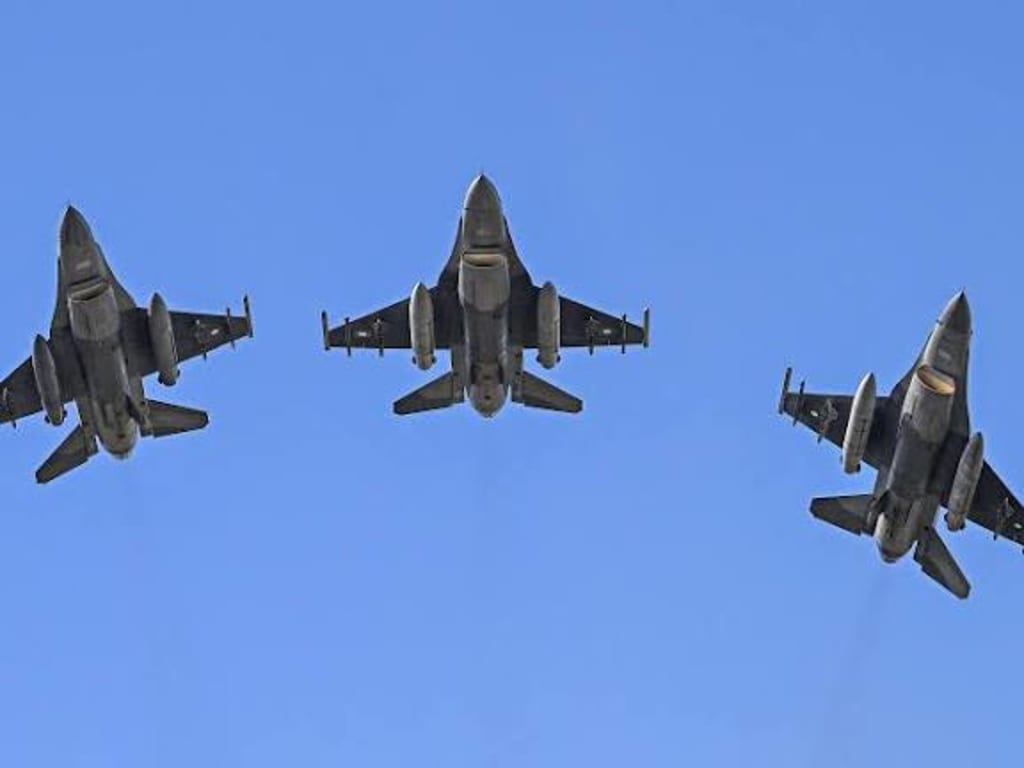
In a development that has grabbed international attention, the U.S. administration under Donald Trump approved a $686 million upgrade for Pakistan’s F-16 fighter jets. The move, while framed as a routine military modernization program, has sparked intense debate among analysts and policymakers, raising questions about whether it signals a strategic message to India amid heightened tensions in South Asia.
The F-16, a multirole fighter aircraft renowned for its versatility and combat capability, forms the backbone of Pakistan’s air force. Modernizing these aircraft is crucial for maintaining operational readiness, but the timing and geopolitical implications of the deal have added layers of significance.
The Details of the Upgrade
The approved upgrade package includes avionics modernization, radar enhancements, and improved weapons systems, designed to enhance the aircraft’s precision, survivability, and effectiveness in complex combat scenarios. While the U.S. asserts that the move is part of longstanding defense cooperation with Pakistan, military analysts suggest it could shift the regional balance, particularly in airpower capabilities.
Pakistan’s air force, already equipped with a mix of F-16s and other combat aircraft, will now see enhanced operational capabilities. This includes improved targeting systems, upgraded electronic warfare suites, and better interoperability with allied forces — all of which increase the strategic value of the F-16 fleet.
Geopolitical Implications for South Asia
The timing of the F-16 upgrade has sparked speculation about the message it may send to India. South Asia has long been characterized by a delicate balance of military power, with India and Pakistan engaged in ongoing disputes over territory, particularly in Kashmir. Any enhancement of Pakistan’s air capabilities inevitably draws India’s attention, as it may influence strategic calculations in the region.
Analysts suggest that the U.S. approval could serve multiple purposes:
1. Reassurance to Pakistan: Strengthening ties with Islamabad and supporting its defense modernization.
2. Signaling to India: Demonstrating that U.S. foreign policy can support Pakistan’s military readiness without destabilizing alliances.
3. Regional Stability: Ensuring that Pakistan maintains a credible defense posture, which some argue could deter unilateral escalation in conflicts with India.
India’s Perspective
India, which has consistently modernized its own air capabilities, is closely monitoring the development. While India maintains a robust fleet of fighter aircraft, including Su-30s and Rafales, the upgrade of Pakistan’s F-16s adds a new dimension to aerial combat readiness in the region.
Indian defense analysts have emphasized that the F-16 upgrade may necessitate further modernization of India’s air force, potentially accelerating procurement of advanced fighter jets and precision strike systems. At the same time, India’s focus remains on maintaining strategic stability and deterring potential threats along its western border.
U.S. Strategic Interests
From a U.S. perspective, the F-16 upgrade aligns with broader objectives in South Asia. Strengthening Pakistan’s air capabilities can enhance counterterrorism cooperation, support regional stability, and maintain a foothold in a region increasingly influenced by China.
Additionally, the move signals that the U.S. is willing to balance its relations between India and Pakistan. Washington has cultivated strong defense ties with India in recent years, particularly through agreements like the US-India Defense Technology and Trade Initiative. Yet, supporting Pakistan’s modernization efforts ensures that the U.S. retains leverage with both nations, maintaining influence over regional security dynamics.
Potential Risks and Criticism
The decision to upgrade Pakistan’s F-16 fleet is not without controversy. Critics argue that enhanced fighter capabilities may escalate tensions between India and Pakistan, increase the risk of an arms race, and complicate peace efforts in South Asia.
Human rights organizations and strategic analysts have also expressed concern that advanced weaponry in a volatile region could lead to miscalculations, especially in contested zones like Kashmir. Balancing military support with diplomatic restraint remains a key challenge for the U.S. administration.
Broader Strategic Message
Some experts interpret the F-16 upgrade as more than a defense transaction; it is a geopolitical signal. By approving the package, the U.S. may be communicating its commitment to Pakistan as a strategic partner, while subtly reminding India that Washington’s policies are calibrated to balance competing interests.
This nuanced signaling reflects the complexities of modern diplomacy, where military support often carries implicit messages to both allies and rivals. It underscores the interconnectedness of defense, foreign policy, and regional stability in a strategically sensitive region.
Conclusion
Trump’s $686 million F-16 upgrade for Pakistan represents both a military modernization effort and a geopolitical statement. While it strengthens Pakistan’s air capabilities, it also reverberates across South Asia, drawing attention from India, global analysts, and strategic planners.
Whether interpreted as reassurance to Islamabad, a message to New Delhi, or a calculated U.S. move to maintain influence, the upgrade highlights how defense transactions extend beyond hardware. In South Asia, where historical tensions persist, every jet, radar, and missile carries not only operational significance but also strategic symbolism — shaping perceptions, alliances, and the balance of power for years to come.
About the Creator
Fiaz Ahmed
I am Fiaz Ahmed. I am a passionate writer. I love covering trending topics and breaking news. With a sharp eye for what’s happening around the world, and crafts timely and engaging stories that keep readers informed and updated.
Keep reading
More stories from Fiaz Ahmed and writers in The Swamp and other communities.
Severe Disruption Hits Portugal in First General Strike for 12 Years
Portugal faced widespread disruption as workers across the country staged the first general strike in 12 years, bringing public services, transport, and key industries to a standstill. The nationwide strike reflects mounting frustration among workers over economic challenges, inflation, and government policies, marking a significant moment in the country’s labor history.
By Fiaz Ahmed about a month ago in The Swamp
Trump Tariff Threats Over Greenland Prompt Calls for Unprecedented EU Counter‑Measures
Imagine a single statement triggering a transatlantic trade and political crisis. That’s exactly what happened when U.S. President Donald Trump threatened tariffs over Greenland, sparking calls within the European Union for unprecedented counter-measures. What started as a geopolitical dispute over a remote Arctic island has escalated into a potential trade confrontation with serious implications for NATO, global markets, and U.S.-EU relations.
By Aarif Lashariabout 8 hours ago in The Swamp


Comments
There are no comments for this story
Be the first to respond and start the conversation.