
Severe Disruption Hits Portugal in First General Strike for 12 Years
Workers across Portugal unite in the first nationwide strike in over a decade, demanding higher wages and better conditions.

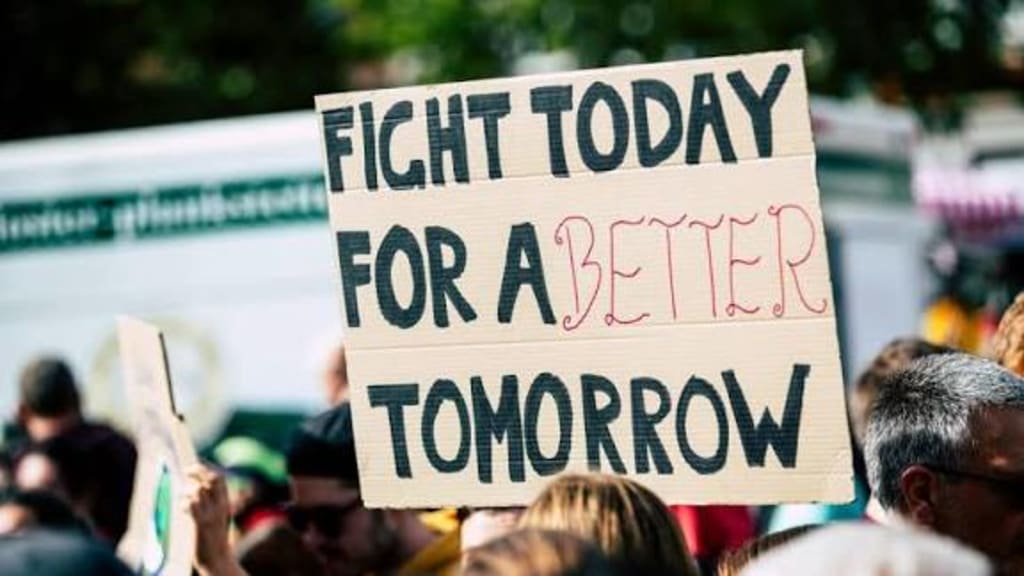
Portugal faced widespread disruption as workers across the country staged the first general strike in 12 years, bringing public services, transport, and key industries to a standstill. The nationwide strike reflects mounting frustration among workers over economic challenges, inflation, and government policies, marking a significant moment in the country’s labor history.
The action also underscores the broader pressures facing European governments as citizens grapple with rising costs of living, stagnant wages, and a rapidly changing economic landscape.
What Happened During the Strike
The general strike, organized by Portugal’s largest trade unions, brought buses, trains, airports, and public offices to a near halt. Many schools, hospitals, and government services were affected, forcing citizens to adapt to widespread disruptions. Major ports and industrial hubs also saw limited activity, highlighting the strike’s reach across multiple sectors.
Union leaders reported strong participation, with thousands of workers from diverse industries uniting under a common demand for better wages, stronger labor protections, and relief from the rising cost of living. Demonstrations in Lisbon, Porto, and other cities accompanied the work stoppage, with protesters carrying banners emphasizing the need for fair economic policies and social justice.
The Root Causes: Why Now?
Several factors contributed to the decision to hold Portugal’s first general strike in over a decade:
1. Rising Inflation: Portugal, like much of Europe, has faced higher living costs, particularly for energy and food. Workers are feeling the pinch as wages struggle to keep pace with inflation.
2. Public Sector Frustration: Government employees, especially in healthcare and education, have voiced dissatisfaction over pay stagnation, staffing shortages, and inadequate working conditions.
3. Economic Recovery Challenges: While Portugal has seen growth following the COVID-19 pandemic, income inequality and job insecurity remain pressing concerns for many citizens.
4. Union Mobilization: Labor unions seized the moment to demonstrate collective power, using the strike to pressure policymakers into negotiating better conditions for workers.
Impact on Daily Life and the Economy
The strike caused significant disruptions across Portugal:
Public Transport: Buses, trains, and metro services were largely suspended, leaving commuters struggling to reach workplaces.
Air Travel: Some flights were canceled or delayed as airport staff joined the strike or faced logistical challenges.
Healthcare and Education: Non-emergency services were affected, and many schools operated at reduced capacity.
Industrial Production: Factories and ports experienced delays, highlighting the strike’s impact on Portugal’s supply chains and exports.
Economists estimate that such a large-scale work stoppage may temporarily affect economic output, though the full financial impact will depend on the duration of the strike and any subsequent negotiations.
Government Response
Portuguese authorities expressed concern over the strike’s disruption but emphasized the right of workers to protest. Officials highlighted ongoing discussions with labor representatives and encouraged unions to pursue dialogue to prevent prolonged economic and social consequences.
Prime Minister António Costa’s administration acknowledged the economic pressures facing citizens but stressed the need to balance worker demands with fiscal responsibility. Government spokespersons noted that negotiations over public sector pay and benefits are ongoing, and the strike could serve as a catalyst to accelerate discussion
Public Opinion and Reactions
The general strike received mixed reactions from the Portuguese public. Many citizens expressed solidarity with workers’ demands, particularly regarding wage increases and fair treatment in the workplace. Others criticized the strike for the inconvenience it caused, arguing that prolonged disruptions could harm ordinary citizens more than policymakers.
Social media reflected a nation divided, with discussions focusing on fairness, economic policy, and the long-term sustainability of such labor actions.
Historical Context
Portugal has a strong history of labor activism, with strikes playing a critical role in shaping social and economic policy. However, a 12-year gap between general strikes indicates a period of relative industrial calm. This latest action signals a resurgence in union activity and a willingness among workers to challenge authorities when economic pressures become unsustainable.
Historically, general strikes in Portugal have led to policy reforms and wage negotiations, suggesting that this strike could prompt meaningful discussions at the national level.
Looking Ahead
The immediate aftermath of the strike will likely involve negotiations between unions and the government. Key outcomes to watch include potential wage adjustments, policy changes regarding public sector employment, and broader discussions on economic equity.
Analysts suggest that while strikes disrupt daily life, they are also a critical tool for democratic engagement, providing workers with leverage to influence policy and ensure their voices are heard in the face of economic challenges.
Conclusion
Portugal’s first general strike in 12 years is more than a momentary disruption—it is a reflection of growing economic pressures, social demands, and labor mobilization. As the country navigates the fallout, the strike may serve as a pivotal point in shaping wage policy, labor rights, and public sentiment.
For citizens, it is a reminder of the power of collective action; for policymakers, a signal that addressing worker concerns is essential for long-term economic stability and social harmony. The general strike demonstrates that even after a decade of calm, Portuguese workers are willing to unite and assert their rights when the circumstances demand it.
About the Creator
Fiaz Ahmed
I am Fiaz Ahmed. I am a passionate writer. I love covering trending topics and breaking news. With a sharp eye for what’s happening around the world, and crafts timely and engaging stories that keep readers informed and updated.
Keep reading
More stories from Fiaz Ahmed and writers in The Swamp and other communities.
Ukraine says it struck Russian shadow fleet oil tanker in Black Sea
The war in Ukraine has entered a new phase of strategic maritime confrontations, with Ukrainian forces reporting a strike on a Russian “shadow fleet” oil tanker in the Black Sea. The attack underscores the evolving nature of the conflict, the importance of energy resources in modern warfare, and the high-stakes environment that defines Ukraine’s struggle to defend its territory and maritime rights.
By Fiaz Ahmed about a month ago in The Swamp
An Isolated Iran Finds China’s Friendship Has Limits
When strategic alliances are tested amid sanctions, unrest, and shifting global priorities For decades, Iran has positioned itself as a key geopolitical player in West Asia, often standing at odds with the United States and Western powers. Over that time, China has emerged as Tehran’s most important ally — economically, diplomatically, and rhetorically. Yet, as Iran faces widespread protests, economic collapse, and mounting external pressure, its relationship with Beijing is revealing cracks. What Iran once saw as a dependable lifeline is increasingly perceived as limited and transactional, with Beijing’s restraint reshaping Tehran’s strategic calculus. �
By Fiaz Ahmed Brohi4 days ago in The Swamp



Comments
There are no comments for this story
Be the first to respond and start the conversation.