
Is Silver a Good Investment? Pros, Cons, and What Investors Should Know
From inflation hedge to industrial demand, silver offers unique opportunities—but not without risks

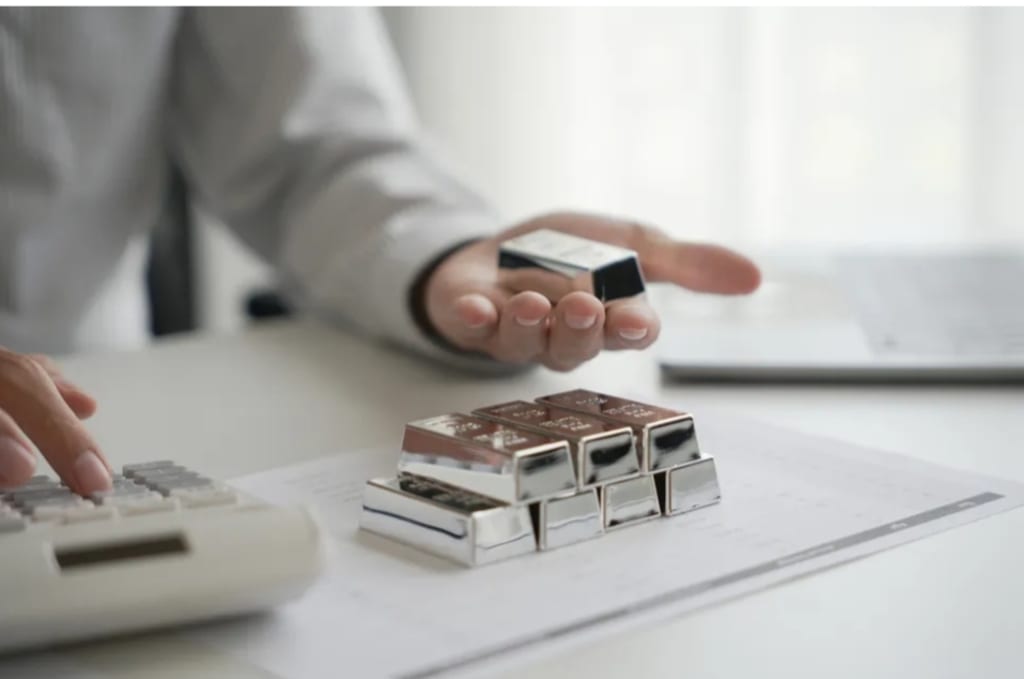
Silver has long occupied a unique place in global markets. Often overshadowed by gold, the precious metal is both a store of value and a critical industrial commodity, used in everything from electronics to solar panels. As economic uncertainty, inflation concerns, and shifting interest-rate expectations dominate investor thinking, many are asking a timely question: Is silver a good investment?
The answer depends on an investor’s goals, risk tolerance, and time horizon. While silver can offer diversification and upside potential, it also comes with volatility and specific challenges that must be understood before investing.
---
Why Investors Consider Silver
Silver’s appeal stems from its dual role. Unlike gold, which is primarily a monetary and investment asset, silver has substantial industrial demand. Roughly half of global silver consumption comes from industries such as electronics, medical equipment, electric vehicles, and renewable energy. This gives silver exposure to economic growth and technological trends, particularly the global push toward clean energy.
At the same time, silver is viewed as a hedge against inflation and currency depreciation. During periods of high inflation or financial stress, investors often turn to precious metals to preserve purchasing power. Historically, silver prices have tended to rise alongside gold during such periods, though with larger swings.
Another factor attracting investors is affordability. Silver is far cheaper per ounce than gold, making it more accessible to retail investors. This lower entry point allows individuals to build positions without the large capital outlay required for gold.
---
The Pros of Investing in Silver
1. Inflation and Currency Hedge
Silver, like gold, has a long history as a store of value. When inflation erodes the real value of paper currencies, silver often benefits. Investors concerned about rising prices or weakening currencies may see silver as a protective asset.
2. Industrial Demand Growth
Silver’s use in solar panels, electric vehicles, and advanced electronics positions it well for long-term structural demand. As governments and companies invest heavily in renewable energy and electrification, silver demand could increase, supporting prices.
3. Portfolio Diversification
Silver tends to behave differently from stocks and bonds, particularly during market stress. Adding silver to a diversified portfolio can reduce overall risk and smooth returns over time.
4. Potential for Higher Upside
Silver prices are historically more volatile than gold. While this increases risk, it also means that during bull markets, silver often outperforms gold in percentage terms, offering higher upside potential.
---
The Cons and Risks of Silver Investment
1. High Volatility
Silver prices can fluctuate sharply over short periods. Economic slowdowns, changes in industrial demand, or shifts in investor sentiment can trigger rapid price swings. This makes silver less suitable for investors seeking stability.
2. Industrial Sensitivity
Because a large portion of silver demand is industrial, economic downturns can hurt prices. If manufacturing activity slows or clean-energy investments are delayed, silver demand may weaken.
3. Storage and Insurance Costs
For those investing in physical silver—coins or bars—there are practical costs to consider, including secure storage and insurance. These expenses can eat into returns, especially for smaller investors.
4. No Income Generation
Unlike stocks or bonds, silver does not produce dividends or interest. Returns depend entirely on price appreciation, which may not materialize over certain periods.
---
Ways to Invest in Silver
Investors have several options when it comes to silver exposure:
Physical Silver: Coins and bars offer direct ownership but involve storage and security considerations.
Silver ETFs: Exchange-traded funds provide easy access to silver prices without the need to hold physical metal.
Mining Stocks: Shares of silver mining companies can offer leveraged exposure to silver prices but also carry company-specific risks.
Futures and Options: These are complex instruments suited for experienced investors, as they involve leverage and higher risk.
Each method has different risk profiles, costs, and tax implications, making it important to choose based on individual circumstances.
---
What Investors Should Know Before Buying
Timing matters with silver. Prices are influenced by global interest rates, the strength of the U.S. dollar, inflation expectations, and industrial demand trends. When interest rates are high and the dollar is strong, silver prices often face pressure. Conversely, expectations of rate cuts or economic stimulus can boost demand.
Investors should also be realistic about silver’s role in a portfolio. Most financial advisors suggest limiting precious metals exposure to a modest percentage—often between 5% and 10%—to balance risk and reward.
Long-term perspective is crucial. Silver can underperform for extended periods before experiencing sharp rallies. Those with short time horizons or low risk tolerance may find its volatility challenging.
---
Is Silver Right for You?
Silver can be a good investment for those seeking diversification, inflation protection, and exposure to industrial growth trends. Its affordability and potential upside make it attractive, particularly during periods of economic uncertainty. However, its volatility, dependence on industrial demand, and lack of income generation mean it is not a one-size-fits-all solution.
For most investors, silver works best as a complement rather than a core holding—part of a broader, well-diversified strategy. Understanding both the pros and cons, and aligning them with personal financial goals, is key before making any investment decision.
In an uncertain global environment, silver remains a metal worth watching—but as with all investments, informed caution is just as important as optimism.
About the Creator
Keep reading
More stories from Salaar Jamali and writers in The Swamp and other communities.
Petrol Prices Likely to Rise in Pakistan for February 2026
As Pakistan approaches February 2026, news has emerged from Islamabad that petrol prices could see upward adjustments in the country’s fortnightly fuel price review, reflecting a complex mix of global crude movements, regulatory decisions, and economic pressures. While some reports suggest a slight reduction in petrol rates, the broader context points to an overall rise in petroleum product costs — a development that could have far‑reaching effects on consumers, businesses, and inflation.
By Salaar Jamalia day ago in The Swamp
Trump’s Bold Threat: 100% Tariffs on Canada Over Possible Deal with China
Introduction: In a new and alarming development on the international trade front, former U.S. President Donald Trump has threatened to impose 100% tariffs on all imports from Canada if the country proceeds with making a trade deal with China. The statement, which came as a part of Trump’s ongoing commentary on U.S.-Canada relations, has raised eyebrows across North America and the global economic landscape. Trump's harsh warning could have significant consequences not only for the U.S. and Canada but also for the broader geopolitical balance involving China.
By Ayesha Lashari6 days ago in The Swamp



Comments
There are no comments for this story
Be the first to respond and start the conversation.