
Is It Too Late to Hop on the Gold Bandwagon?
As gold prices soar to record highs, investors weigh opportunity against the risk of buying at the top

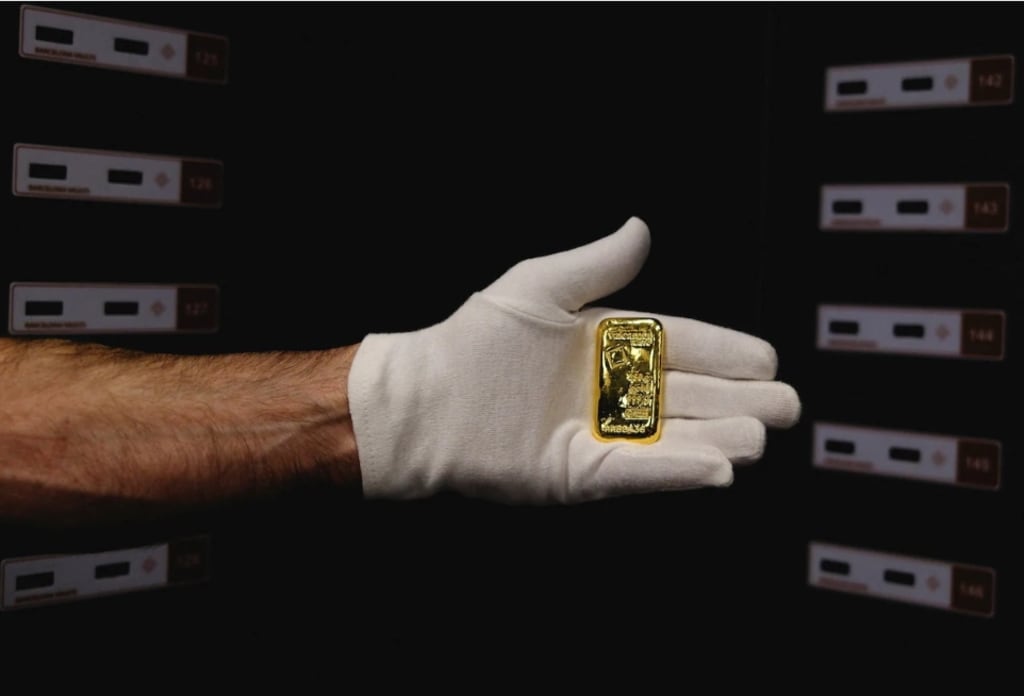
Gold’s relentless climb has sparked a familiar and pressing question among investors: is it too late to hop on the gold bandwagon? With prices hovering near record levels, enthusiasm for the precious metal is running high. Yet history cautions that buying after a sharp rally can be risky. Understanding whether gold still offers value requires looking beyond the headlines to examine the forces driving its rise and what they may mean for the future.
Gold has always played a unique role in financial markets. Unlike stocks or bonds, it does not generate income or dividends. Its appeal lies in its ability to preserve purchasing power over time, particularly during periods of inflation, currency weakness, or economic instability. The current rally reflects a convergence of these factors, making gold attractive to a broad range of investors—from central banks and institutions to individuals seeking a hedge against uncertainty.
One of the strongest drivers behind gold’s surge is persistent concern over inflation. Despite periods of tightening monetary policy, price pressures have proven stubborn across many economies. For savers, this has meant that cash and fixed-income investments often fail to keep pace with rising living costs. Gold, by contrast, has historically performed well when real interest rates—returns adjusted for inflation—are low or negative, as the opportunity cost of holding a non-yielding asset diminishes.
Another key factor is the explosion of global debt. Governments worldwide have accumulated unprecedented levels of borrowing, raising doubts about long-term fiscal sustainability. Investors worry that debt burdens may eventually be managed through inflation or currency debasement rather than spending cuts or higher taxes. In this context, gold’s finite supply and independence from government policy make it an appealing store of value.
Central bank behaviour adds further support to the bullish case. Over recent years, central banks have been aggressive buyers of gold, increasing reserves as a way to diversify away from reliance on the US dollar. This structural demand provides a strong foundation for prices and suggests that gold’s role in the global financial system is evolving, not diminishing. When institutions with long-term horizons accumulate gold, it signals confidence in its enduring relevance.
However, the question of timing remains critical. Gold markets are cyclical, and periods of strong gains are often followed by consolidation or pullbacks. Investors who buy near peaks risk enduring years of flat or negative returns before prices resume an upward trend. History offers examples of gold reaching euphoric highs, only to stagnate or decline once inflation fears subside or monetary policy tightens.
Sceptics argue that much of the bullish narrative may already be priced in. If inflation cools, interest rates remain elevated, or economic conditions stabilise, gold’s momentum could slow. In such a scenario, latecomers to the rally may find themselves disappointed. This perspective emphasises the importance of distinguishing between gold as a long-term hedge and gold as a short-term trade.
Proponents counter that today’s environment differs from past cycles. Structural issues such as ageing populations, rising entitlement costs, geopolitical fragmentation, and resistance to fiscal austerity limit policymakers’ options. These constraints make sustained monetary accommodation more likely, supporting gold over the long run. From this viewpoint, the current price level reflects not a bubble but a reassessment of gold’s role in a changing global order.
For individual investors, the answer may lie in strategy rather than timing. Instead of attempting to predict short-term price movements, many advisers recommend viewing gold as part of a diversified portfolio. Allocating a modest percentage to gold can provide insurance against market shocks and currency depreciation without overexposing one’s finances to price volatility. Techniques such as dollar-cost averaging—investing gradually over time—can also reduce the risk of buying at an unfavourable moment.
It is equally important to consider how to invest in gold. Physical bullion offers direct ownership but comes with storage and security considerations. Exchange-traded funds provide convenience and liquidity, while mining stocks offer leverage to gold prices but carry operational and market risks. Each option suits different risk profiles and investment goals.
So, is it too late to hop on the gold bandwagon? The answer depends on expectations and objectives. For those seeking quick gains, the risk of a pullback is real and should not be ignored. For investors focused on long-term wealth preservation, gold may still have a role to play, even at elevated prices.
Ultimately, gold’s appeal lies not in timing the market perfectly but in understanding why it is held at all. In a world marked by uncertainty, rising debt, and shifting monetary dynamics, gold continues to serve as a form of financial insurance. Whether now is the right time to buy depends less on the headline price and more on how gold fits into an investor’s broader financial plan.
About the Creator
Keep reading
More stories from Salaar Jamali and writers in The Swamp and other communities.
Gold and Silver Keep Hitting Record Highs. But Is the Precious Metals Market ‘Broken’?
Gold and silver prices continue to smash record highs, captivating investors and reigniting debate over whether the precious metals market is functioning as it should. While strong rallies are not unusual during periods of economic stress, the current surge has been accompanied by unusual signals—persistent physical shortages, widening gaps between paper and spot prices, and unprecedented central bank buying. Together, these factors have led some analysts to ask a provocative question: is the precious metals market “broken”?
By Salaar Jamaliabout 16 hours ago in The Swamp
Pilot Captures Historic Northern Lights Show From 37,000 Feet
For a pilot with over two decades of experience, witnessing the northern lights from above is not a new experience—but even the most seasoned aviators can be stunned. Recently, a commercial airline pilot shared breathtaking photos of the aurora borealis from 37,000 feet, calling it “the most incredible display of aurora I've ever seen in my 20 years of flying.” The images, which capture waves of green, purple, and pink light stretching across the horizon, have captivated both aviation enthusiasts and nature lovers worldwide.
By Aarif Lashari7 days ago in The Swamp




Comments
There are no comments for this story
Be the first to respond and start the conversation.