
Gold and Silver Keep Hitting Record Highs. But Is the Precious Metals Market ‘Broken’?
Soaring prices, tight supply, and paper-market distortions raise questions about the true state of gold and silver

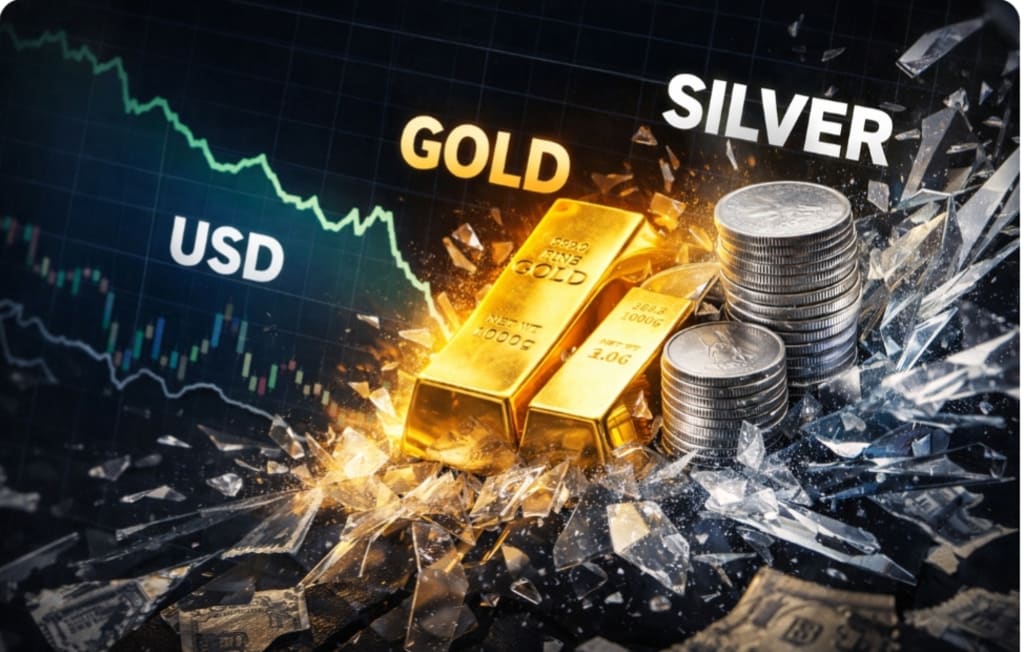
Gold and silver prices continue to smash record highs, captivating investors and reigniting debate over whether the precious metals market is functioning as it should. While strong rallies are not unusual during periods of economic stress, the current surge has been accompanied by unusual signals—persistent physical shortages, widening gaps between paper and spot prices, and unprecedented central bank buying. Together, these factors have led some analysts to ask a provocative question: is the precious metals market “broken”?
At the surface, the rally appears easy to explain. Investors are flocking to gold and silver as safe havens amid inflation concerns, swelling government debt, geopolitical instability, and declining confidence in fiat currencies. Gold has historically thrived in such conditions, while silver often amplifies gold’s moves due to its smaller market size and dual role as both a monetary and industrial metal. Yet beneath the headline prices, market mechanics are showing signs of strain.
One of the most cited concerns is the growing disconnect between paper markets and physical metals. The majority of gold and silver trading occurs through futures contracts, options, and exchange-traded products rather than through the exchange of physical bars and coins. In theory, these paper instruments provide liquidity and price discovery. In practice, critics argue they have allowed the creation of “synthetic supply” that far exceeds the amount of physical metal available for delivery.
This imbalance becomes more visible during periods of heightened demand. As prices surge, buyers seeking physical gold and silver increasingly encounter delays, higher premiums, and limited availability. Retail investors report difficulty sourcing bullion, while industrial users of silver face supply constraints. These conditions fuel suspicion that paper prices may not fully reflect the true scarcity of physical metal, raising doubts about whether the market’s pricing mechanisms are working properly.
Central bank behaviour adds another layer to the debate. In recent years, central banks have emerged as major buyers of gold, accumulating reserves at a pace not seen in decades. This shift is widely interpreted as a move to diversify away from the US dollar and reduce exposure to geopolitical and financial risks. When institutions with deep insight into monetary systems aggressively stockpile gold, it inevitably prompts questions about the stability of the existing financial order—and the integrity of the markets that price its alternatives.
Silver’s record run has intensified these concerns. Unlike gold, which is primarily held for investment and reserves, silver is deeply embedded in industrial supply chains. Demand from renewable energy, electronics, and electric vehicle production has surged, tightening supply at a time when mine output struggles to keep pace. Because much silver production is a by-product of base metal mining, supply cannot easily be increased in response to higher prices, making shortages more acute.
Critics of the current system argue that these structural constraints are masked by the dominance of paper trading. They claim that as long as most contracts are settled in cash rather than physical delivery, price signals remain distorted. This, they say, allows prices to be managed or suppressed until physical demand overwhelms the system—at which point sharp price moves become unavoidable.
Defenders of the market push back against the idea that it is broken. They argue that futures markets have long operated with leverage and cash settlement, and that this structure provides essential liquidity. From this perspective, rising prices are simply the market’s response to shifting fundamentals, not evidence of systemic failure. They also note that price discovery ultimately reflects collective expectations, not just physical supply and demand.
However, even proponents acknowledge that current conditions are unusual. Volatility has increased, and the sensitivity of prices to geopolitical headlines and monetary policy signals appears heightened. Real interest rates, currency fluctuations, and fiscal policy debates now exert outsized influence on precious metals, creating rapid swings that can be difficult for both investors and producers to navigate.
The question of whether the market is “broken” may ultimately depend on perspective. For long-term holders of physical gold and silver, the surge validates their role as stores of value in times of uncertainty. For traders reliant on paper instruments, it highlights the risks of leverage and counterparty exposure. For policymakers, the rally serves as a warning sign that confidence in fiat systems may be eroding.
What seems clear is that the precious metals market is undergoing a stress test. Record highs in gold and silver are not occurring in isolation but alongside rising debt, persistent inflation, and geopolitical fragmentation. These forces are exposing vulnerabilities in market structures that have long been taken for granted.
As prices continue to climb, the debate over whether the market is broken will likely intensify. Whether viewed as a system under strain or one simply adjusting to new realities, the current moment underscores the enduring relevance of gold and silver. In an era of financial uncertainty, their record-breaking run is less about speculation and more about a global search for trust, stability, and real value.
About the Creator
Keep reading
More stories from Salaar Jamali and writers in The Swamp and other communities.
Gold’s, Silver’s Record Run Signals a Crisis of Confidence in Fiat Currencies
The extraordinary rally in gold and silver is sending a powerful message to global financial markets: confidence in fiat currencies is under strain. With gold and silver reaching record or near-record levels, investors are increasingly turning to tangible assets that exist outside the traditional monetary system. This historic run is not merely a reflection of short-term market volatility but a deeper signal of unease over inflation, debt, and the long-term stability of paper money issued by governments.
By Salaar Jamaliabout 18 hours ago in The Swamp
Theranos Founder Elizabeth Holmes Asks Trump to Commute Prison Sentence
Elizabeth Holmes, the embattled founder and former CEO of the now-defunct health technology company Theranos, has reportedly submitted a petition to former President Donald Trump seeking a commutation of her prison sentence. Holmes, who was convicted on multiple counts of fraud related to misleading investors and patients about Theranos’ blood-testing technology, is currently serving a lengthy federal sentence.
By Aarif Lashari8 days ago in The Swamp


Comments
There are no comments for this story
Be the first to respond and start the conversation.