
Iranian Security Use Nationwide Dragnet to Arrest Protesters
sweeping crackdown across cities and towns raises alarm over human rights, civil liberties, and the future of dissent

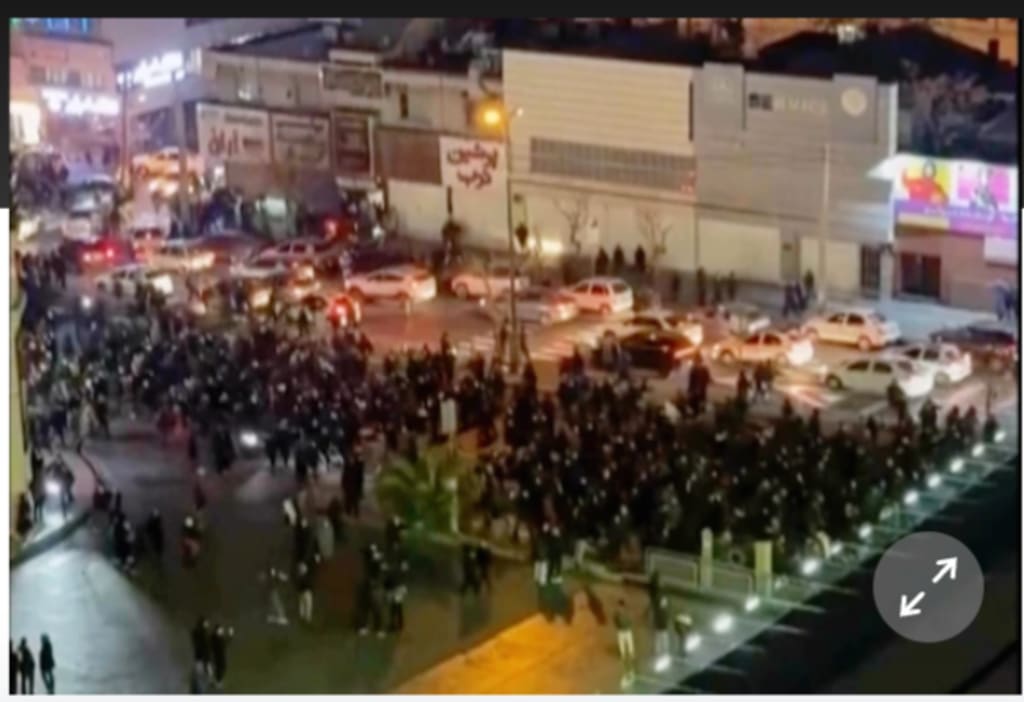
In a dramatic escalation of its response to public unrest, Iranian security forces have launched a nationwide dragnet to identify, detain, and silence protesters across the country. From major urban centers to smaller provincial towns, reports indicate that security agencies are carrying out coordinated raids, road checkpoints, and digital surveillance operations aimed at dismantling protest networks and discouraging further demonstrations.
This sweeping campaign reflects the growing anxiety of authorities in Iran, where waves of protests in recent years have challenged political authority and exposed deep public frustration over economic hardship, social restrictions, and political repression. The latest crackdown signals a shift from reactive crowd control to a proactive, intelligence-driven strategy designed to prevent dissent before it reaches the streets.
A Nationwide Operation
According to local sources and international observers, Iranian security forces have expanded their operations beyond protest hotspots. Security units are reportedly conducting door-to-door searches, checking mobile phones at checkpoints, and reviewing social media activity to identify individuals suspected of organizing or participating in demonstrations.
Universities, neighborhoods known for political activism, and even workplaces have come under scrutiny. Families of detainees have reported that loved ones were arrested without formal warrants, often late at night, and taken to undisclosed locations. Lawyers and rights groups say many detainees face limited access to legal representation, heightening concerns about mistreatment and forced confessions.
The dragnet approach marks a significant intensification of enforcement. Rather than responding only when protests erupt, authorities appear to be using intelligence databases, surveillance footage, and online monitoring tools to target potential protesters in advance. This strategy, analysts argue, is meant to send a clear message: participation in dissent carries heavy personal risk.
Fear and Silence in Public Spaces
The psychological impact of the crackdown is being felt across Iranian society. Streets that once saw large gatherings of demonstrators are now patrolled by heavily armed security units. Checkpoints have become more common, and citizens report being questioned about their movements and online activities.
Many young people, who formed the backbone of previous protest movements, are increasingly fearful of speaking openly. University students describe an atmosphere of constant monitoring, where classmates disappear for days or weeks after being summoned by security officials. Teachers and employers are also said to be under pressure to report individuals suspected of political activism.
This environment of fear has led to a visible decline in public demonstrations. However, observers caution that silence does not necessarily indicate acceptance. Instead, it reflects the effectiveness of repression in pushing dissent underground.
Human Rights Concerns
International human rights organizations have strongly criticized the mass arrest campaign. Groups such as Human Rights Watch warn that the widespread detentions violate basic rights to freedom of expression and peaceful assembly.
Rights advocates point out that many of those arrested are not accused of violent acts but of participating in or supporting protests. Charges often include vague offenses such as “acting against national security” or “spreading propaganda,” which allow authorities broad discretion to criminalize dissent.
There are also concerns over conditions in detention centers. Past reports have documented overcrowding, physical abuse, and psychological pressure on detainees. Families fear that the current wave of arrests could lead to similar outcomes, particularly as the number of detainees continues to rise.
Digital Surveillance and Control
A key element of the dragnet operation appears to be digital surveillance. Authorities are increasingly relying on monitoring tools to track online communication, messaging apps, and social media platforms. Protest organizers and activists say encrypted chats are no longer safe, as arrests often follow online activity within days.
Internet disruptions and temporary shutdowns have also been reported in several regions, limiting the ability of protesters to coordinate or share information with the outside world. Analysts note that digital control has become just as important as physical force in maintaining order.
By targeting both the streets and cyberspace, the state aims to dismantle networks of dissent and prevent protests from gaining momentum. This dual strategy underscores how modern authoritarian governance blends technology with traditional security measures.
Roots of the Unrest
The renewed crackdown cannot be understood in isolation from the deeper causes of protest in Iran. Economic pressures, including inflation and unemployment, have strained households across the country. Social restrictions, particularly affecting women and young people, have fueled anger and frustration. Political grievances, including limited freedom of expression and lack of accountability, remain unresolved.
Each protest wave has been met with force, but underlying issues persist. Many citizens view the dragnet arrests as proof that authorities are unwilling to engage in dialogue or reform. Instead, critics argue, repression has become the default response to public dissatisfaction.
International Reaction
The international community has expressed growing concern over the scale of arrests. Several governments and advocacy groups have called on Iranian authorities to release detainees held for peaceful protest and to respect international human rights standards.
Diplomatic pressure, however, has had limited impact in the past. While statements of condemnation continue, concrete measures remain contested, and geopolitical considerations often overshadow human rights concerns.
Still, experts believe sustained international attention plays a role in protecting detainees from the worst abuses. Public scrutiny can deter extreme actions and keep the plight of protesters on the global agenda.
Conclusion
The nationwide dragnet launched by Iranian security forces represents one of the most extensive efforts to suppress dissent in recent memory. By combining mass arrests, surveillance, and intimidation, authorities seek to reassert control and prevent future protests from taking shape.
Yet history suggests that repression alone cannot erase the grievances driving public anger. While fear may temporarily silence the streets, the social and economic pressures facing ordinary citizens remain unresolved. The current crackdown highlights a widening gap between state power and public frustration, raising urgent questions about Iran’s political future and the cost of silencing voices seeking change.
In the struggle between authority and dissent, the fate of thousands of detained protesters now stands as a powerful symbol of a society caught between control and the desire for freedom.
About the Creator
Sajida Sikandar
Hi, I’m Sajida Sikandar, a passionate blogger with 3 years of experience in crafting engaging and insightful content. Join me as I share my thoughts, stories, and ideas on a variety of topics that matter to you.
Keep reading
More stories from Sajida Sikandar and writers in The Swamp and other communities.
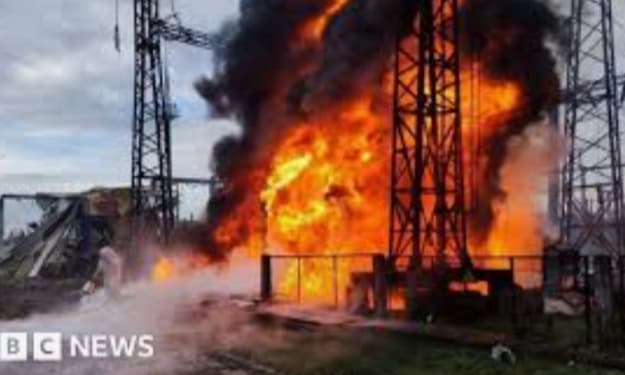
Why Russia’s attacks on Ukraine’s energy grid aren’t ‘revenge’ for Kyiv’s deep strike campaign
When Russian missiles slam into Ukrainian power stations and substations, the Kremlin often claims these attacks are acts of “revenge” for Ukraine’s long-range drone strikes inside Russia. This narrative has been repeated after almost every major wave of bombardment on Ukraine’s energy infrastructure.
By Sajida Sikandarabout 6 hours ago in The Swamp
Why Black History Matters in America?
The United States of America is celebrating their 250th anniversary in 2026. I'm proud to be an American and as someone who was born here, I wouldn't imagine myself living anywhere else. This is a country where opportunities are possible. Where anyone can be successful in anything they desire to do. Equality, community, and togetherness are the backbones of what America is and should be about. However, we have an administration who wants to erase and disregard those who have made positive, meaningful impacts in our country, specifically Black figures, such as Martin Luther King, Jr., Rosa Parks, and Maya Angelou. President Trump and his administration have been constantly complaining and fighting against what they call the "Woke agenda". They use this excuse as a distraction from other issues they refuse to address, such as the high cost of living, climate change, and inflation. That equality is dividing America, when in reality, it's bringing us together. Being woke is not tied to a specific political party. No matter where you stand on the political spectrum, you can still care about other people and their plights. Compassion and empathy for others isn't tied to a political party, either. We were taught as children to treat others the way we want to be treated and not judge others because they're different from us. Caring about others isn't a personal attack on your beliefs. It doesn't make you any less of a person. People who are easily offended over African American figures, past or present, or anything related to it, are grasping at straws. Current and future generations need to know who people like Harriet Tubman and Shirley Chisholm were, especially in the classroom. Black History is part of American History. It should be recognized, not hidden or forgotten. Besides, you can't shield children from everything, just because your feelings are easily hurt.
By Mark Wesley Pritchard 13 days ago in The Swamp
The Pride Flag and the Diversion
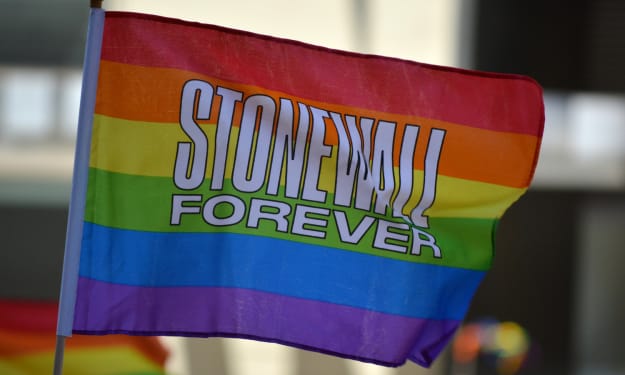
For nearly a decade, the LGBTQIA Pride Flag rippled in the wind at Christopher Park, a kaleidoscope of color staked into the soil of America’s first national monument to LGBTQIA+ liberation. That flag came down this week. Federal officials, citing new guidance from the Trump Administration, silently lowered the rainbow flag from its pole across the street from the Stonewall Inn. The birthplace of the modern gay rights movement now flies only the United States flag.
By Tim Carmichael4 days ago in Pride

Comments
There are no comments for this story
Be the first to respond and start the conversation.