
Prosumers Slam Nepra’s Bid to Curb Incentives, Warn of Setback for Pakistan’s Renewable Energy Goals
Pakistan’s solar prosumers are pushing back against Nepra’s proposed changes to net metering incentives, warning that the move could slow clean energy adoption and burden consumers.
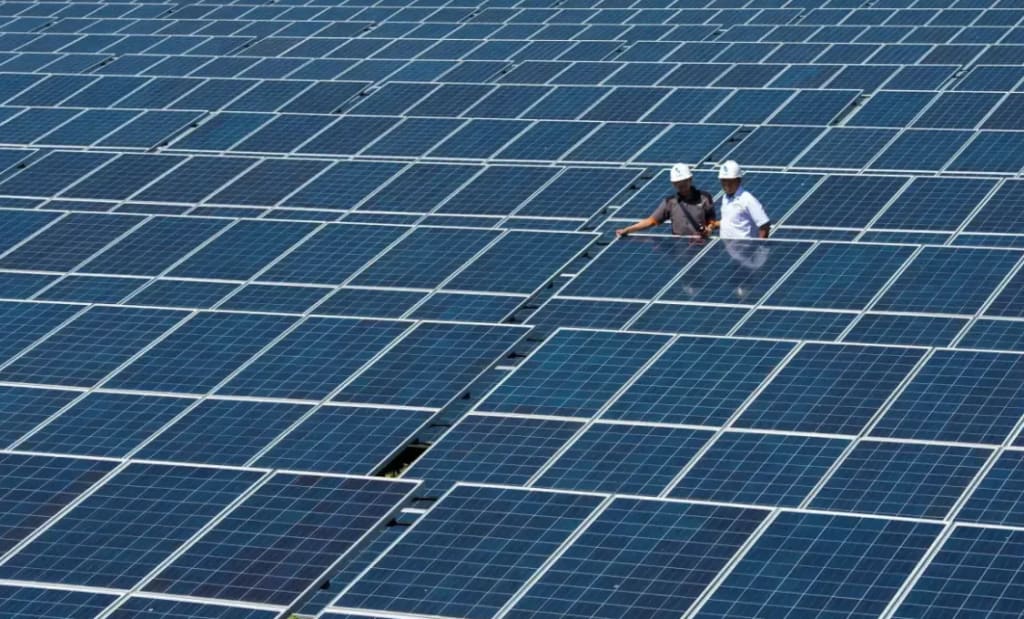
Pakistan’s growing community of solar energy users, known as prosumers, is strongly criticizing the National Electric Power Regulatory Authority (Nepra) over its proposed move to reduce incentives for net metering. Prosumers—households and businesses that both produce and consume electricity—believe the policy shift could discourage renewable energy adoption and undermine Pakistan’s progress toward a sustainable energy future.
The debate highlights a broader tension between regulators, utility companies, and consumers in a country struggling with rising energy costs, power shortages, and climate challenges. As Pakistan faces mounting pressure to transition to clean energy, the outcome of this policy battle could shape the country’s energy landscape for years to come.
Who Are Prosumers and Why Do They Matter?
Prosumers are electricity users who generate their own power, typically through rooftop solar panels, and sell excess electricity back to the grid. Net metering policies allow them to receive credits or payments for the surplus power they produce, making solar energy financially attractive.
Over the past few years, Pakistan has seen a rapid rise in solar installations. High electricity tariffs, frequent outages, and falling solar panel prices have encouraged households and businesses to invest in renewable energy systems. Prosumers have become an important part of Pakistan’s energy mix, reducing reliance on expensive imported fuels and helping stabilize the grid.
Nepra’s Proposed Changes to Incentives
Nepra recently proposed revisions to net metering regulations that could reduce the financial incentives for prosumers. While the authority argues that the current system places a burden on utility companies and non-solar consumers, prosumers say the move is unfair and counterproductive.
According to critics, the proposed changes could include lower buyback rates for surplus electricity, stricter eligibility requirements, and possible limits on system capacity. Prosumers argue that such measures would make solar investments less attractive and slow down the country’s renewable energy momentum.
Why Prosumers Are Angry
Prosumers believe Nepra’s proposal threatens their investments and undermines trust in government policies. Many households and businesses spent significant amounts on solar systems based on existing regulations, expecting stable returns over time.
1. Financial Uncertainty
Reducing incentives could extend the payback period for solar installations, discouraging future investments. For many families and small businesses, solar systems are a long-term financial commitment, and sudden policy changes could result in losses.
2. Slowing Renewable Energy Adoption
Pakistan has abundant sunlight and huge potential for solar power. Prosumers argue that curbing incentives sends the wrong message at a time when the country should be accelerating its transition to clean energy.
3. Equity Concerns
Some prosumers claim the proposed policy favors utility companies at the expense of consumers who invested in renewable energy. They argue that utilities should modernize the grid rather than penalize solar users.
Nepra’s Perspective: Balancing the Grid
Nepra and utility companies argue that net metering incentives must be reviewed to ensure fairness. They claim that high incentives for prosumers shift costs to non-solar consumers, who still rely on the grid and may face higher tariffs.
Regulators also worry about grid stability, as a large number of distributed solar systems can complicate power management. Nepra believes that revising incentives is necessary to maintain a balanced and financially sustainable electricity system.
The Bigger Picture: Pakistan’s Energy Crisis
Pakistan’s energy sector has long been plagued by inefficiencies, circular debt, and reliance on imported fossil fuels. Electricity tariffs have surged, making energy unaffordable for many households.
Solar energy offers a promising solution to these challenges. It reduces dependence on foreign fuel imports, lowers greenhouse gas emissions, and provides consumers with greater control over their energy costs.
However, policy uncertainty can undermine investor confidence and slow down progress. Prosumers argue that stable and supportive policies are essential for Pakistan’s renewable energy growth.
Climate and Environmental Implications
Beyond economic concerns, the debate has environmental implications. Pakistan is one of the countries most vulnerable to climate change, facing floods, heatwaves, and water scarcity.
Promoting renewable energy is crucial for reducing carbon emissions and building climate resilience. Prosumers believe that discouraging solar adoption contradicts Pakistan’s climate commitments and global sustainability goals.
Public Reaction and Industry Response
The proposed policy changes have sparked debate across social media, energy forums, and industry circles. Renewable energy advocates, environmental groups, and solar companies have expressed concerns, urging Nepra to reconsider its approach.
Some experts suggest a balanced solution, such as gradual policy adjustments, tiered incentives, and investments in smart grid technologies. They argue that reforms should protect both prosumers and non-solar consumers without stalling renewable energy growth.
What This Means for Pakistan’s Energy Future
The clash between prosumers and Nepra reflects a global challenge faced by many countries transitioning to renewable energy. Policymakers must balance consumer incentives, grid stability, and economic sustainability.
If incentives are reduced abruptly, Pakistan could miss an opportunity to harness its solar potential. On the other hand, a well-designed policy framework could ensure fair pricing while encouraging innovation and investment.
Conclusion: A Critical Moment for Renewable Energy Policy
Nepra’s bid to curb incentives has become a flashpoint in Pakistan’s energy transition. Prosumers view the proposal as a threat to clean energy progress, while regulators see it as a necessary reform.
The outcome of this debate will shape Pakistan’s renewable energy trajectory. With climate risks increasing and energy costs rising, the country cannot afford policy missteps that slow down the shift to sustainable power.
As Pakistan stands at this crossroads, stakeholders must work together to design policies that promote fairness, stability, and environmental responsibility. The future of Pakistan’s energy system—and the trust of its prosumers—depends on it.
About the Creator
Why Black History Matters in America?
The United States of America is celebrating their 250th anniversary in 2026. I'm proud to be an American and as someone who was born here, I wouldn't imagine myself living anywhere else. This is a country where opportunities are possible. Where anyone can be successful in anything they desire to do. Equality, community, and togetherness are the backbones of what America is and should be about. However, we have an administration who wants to erase and disregard those who have made positive, meaningful impacts in our country, specifically Black figures, such as Martin Luther King, Jr., Rosa Parks, and Maya Angelou. President Trump and his administration have been constantly complaining and fighting against what they call the "Woke agenda". They use this excuse as a distraction from other issues they refuse to address, such as the high cost of living, climate change, and inflation. That equality is dividing America, when in reality, it's bringing us together. Being woke is not tied to a specific political party. No matter where you stand on the political spectrum, you can still care about other people and their plights. Compassion and empathy for others isn't tied to a political party, either. We were taught as children to treat others the way we want to be treated and not judge others because they're different from us. Caring about others isn't a personal attack on your beliefs. It doesn't make you any less of a person. People who are easily offended over African American figures, past or present, or anything related to it, are grasping at straws. Current and future generations need to know who people like Harriet Tubman and Shirley Chisholm were, especially in the classroom. Black History is part of American History. It should be recognized, not hidden or forgotten. Besides, you can't shield children from everything, just because your feelings are easily hurt.
By Mark Wesley Pritchard 7 days ago in The Swamp
Russia Struggles to Shake Reliance on Foreign Technology Imports
Russia continues to face significant challenges in reducing its dependence on foreign technology imports despite years of government efforts to promote domestic production and technological self-sufficiency. Western sanctions, supply chain disruptions, and limited access to advanced components have exposed structural weaknesses in Russia’s tech sector, highlighting the difficulty of replacing imported systems with locally produced alternatives. Since the introduction of broad international sanctions following the conflict in Ukraine, Russia has accelerated its push for “technological sovereignty.” Officials have repeatedly stated that the country must rely on homegrown solutions in areas such as semiconductors, telecommunications, industrial software, and electronics manufacturing. However, experts say progress has been uneven and costly. A Legacy of Dependence For decades, Russia’s technology industry has relied heavily on imported hardware and software, particularly from the United States, Europe, and East Asia. Key industries—including aviation, energy, telecommunications, and defense manufacturing—were built using foreign microchips, machinery, and operating systems. When sanctions restricted access to these technologies, companies were forced to search for alternatives almost overnight. Many turned to suppliers in China and other non-Western markets, but these substitutes often lacked the same performance or compatibility with existing systems. “Russia’s problem is not only sanctions,” said one Moscow-based technology analyst. “It is that its high-tech manufacturing base was never designed to be fully independent.” Semiconductor Shortages One of the most serious challenges has been access to advanced semiconductors. Modern chips are essential for everything from smartphones and medical equipment to military systems and artificial intelligence. Russia’s domestic chip industry remains years behind global leaders in Taiwan, South Korea, and the United States. While Russia can produce older-generation chips for basic uses, it struggles to manufacture high-performance processors at scale. As a result, industries dependent on cutting-edge computing power face delays and rising costs. Government programs have invested billions of rubles into chip development projects, but experts warn that building a competitive semiconductor ecosystem requires decades of infrastructure, skilled labor, and international cooperation. Software and Digital Services Software has been another major area of concern. Following the departure of major Western companies, Russian businesses lost access to widely used operating systems, cybersecurity tools, and enterprise software platforms. In response, authorities encouraged the adoption of Russian-made software solutions. While some local companies have developed alternatives, businesses report technical limitations and compatibility issues. Migrating large systems from foreign to domestic software has proven complex and expensive. Banks, hospitals, and transport networks have been particularly affected, as their operations depend on reliable and secure digital infrastructure. “Replacing software is not like replacing a light bulb,” said an IT consultant working with Russian firms. “It requires retraining staff, redesigning systems, and accepting lower performance in some cases.” Economic Impact Russia’s dependence on imported technology has had a visible economic cost. Manufacturing delays, rising production expenses, and reduced innovation have slowed growth in several sectors. Industries such as aviation and automotive manufacturing have struggled to maintain production levels due to shortages of electronic components. Some factories have been forced to suspend operations or redesign products using simpler technology. Small and medium-sized enterprises face the greatest pressure, as they lack the financial resources to invest in alternative suppliers or custom-built systems. Government Strategy and Limits The Russian government has launched multiple initiatives to boost domestic innovation, including tax incentives, subsidies for tech startups, and national development programs focused on microelectronics and artificial intelligence. Officials argue that long-term independence is achievable and that current difficulties are temporary. They point to growing partnerships with Asian suppliers and increased funding for local research institutions. However, critics say that true technological independence is unrealistic in a globalized economy. Modern technology depends on international supply chains that no single country can fully replace. “Even the most advanced nations rely on imported components,” said a European technology researcher. “Russia’s attempt to isolate itself technologically will likely result in slower development and reduced competitiveness.” Talent and Brain Drain Another challenge has been the loss of skilled professionals. Thousands of engineers and IT specialists left Russia following political and economic uncertainty, weakening the country’s innovation capacity. Although universities continue to train new graduates, rebuilding a skilled workforce takes time. Industry leaders warn that without attracting global talent and cooperation, domestic technology programs may struggle to reach international standards. A Long Road Ahead Despite the obstacles, Russia continues to pursue its goal of reducing reliance on foreign technology. New production facilities are under construction, and state contracts increasingly favor domestic suppliers. Yet analysts agree that the transition will be slow and difficult. Access to advanced tools, global research networks, and foreign investment remains limited. For now, Russia remains heavily dependent on imported technology—either directly or through alternative trade routes. The effort to replace foreign systems has exposed the complexity of modern technological ecosystems and the risks of isolation in a highly interconnected world. Whether Russia can achieve meaningful technological independence will depend not only on funding and policy, but on its ability to rebuild trust, innovation, and international cooperation in the years ahead.
By Fiaz Ahmed 7 days ago in The Swamp
Cabin Fever Because of Snow, Sleet, and Freezing Rain That Turned to Icy Roads
What Is Cabin Fever? The short answer is that cabin fever is restlessness from being in a confined area. Cabin fever is the distressing irritability or restlessness experienced when a person or group is stuck at an isolated location or in confined quarters for an extended time. Research shows that prolonged cold, gray skies, and being stuck indoors can trigger mood shifts similar to “winter blues.”
By Margaret Minnicks8 days ago in Humans



Comments
There are no comments for this story
Be the first to respond and start the conversation.