
Iranian Official Reacts to Trump’s Statement on Protests, Warns US Interference ‘Would Mean Destabilising Region.
Iran pushes back against Trump’s remarks as protests and tensions intensify

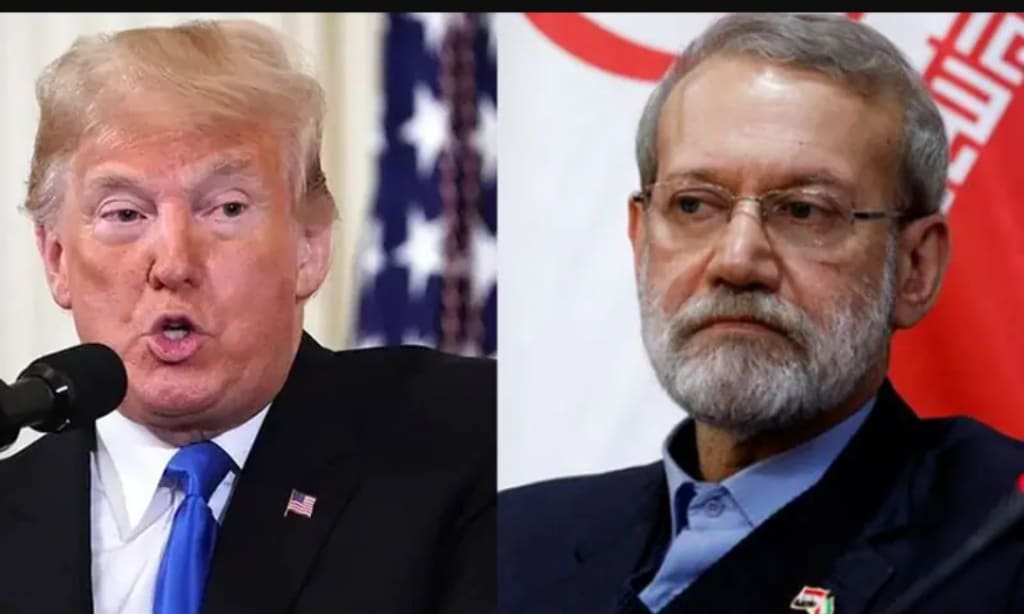
Tehran Pushes Back as Tensions Rise Over Iran’s Internal Unrest
Iranian officials have issued a sharp warning to the United States following comments by former U.S. President Donald Trump regarding ongoing protests in Iran. Reacting to Trump’s remarks, a senior Iranian official cautioned that any American interference in Iran’s internal affairs would destabilise the region, escalating tensions in an already volatile Middle East.
The exchange comes amid widening protests across Iran, sparked primarily by economic hardship, inflation, and a weakening national currency. While demonstrations have drawn international attention, Tehran insists the situation remains an internal matter and has rejected what it sees as foreign pressure or political posturing.
Trump’s Remarks Spark Diplomatic Pushback
Trump’s statement, shared publicly, suggested that the United States would not remain silent if Iranian authorities used excessive force against protesters. While framed as concern for human rights, the remarks were interpreted by Tehran as a direct challenge to Iran’s sovereignty.
Iranian leaders quickly dismissed the comments, accusing Washington of attempting to exploit domestic unrest for political leverage. Officials stressed that such rhetoric risks inflaming tensions rather than easing them, particularly in a region already strained by conflicts, sanctions, and geopolitical rivalries.
Iran’s Warning: Interference Could Trigger Regional Instability
Responding to Trump’s remarks, a senior Iranian security official warned that foreign involvement in Iran’s domestic affairs would have serious consequences. According to the official, interference by the United States would not only undermine stability inside Iran but could also spark wider instability across the Middle East, threatening international security and U.S. interests alike.
Iran maintains that it differentiates between peaceful protest and actions it considers disruptive or violent. Officials argue that public grievances — especially economic concerns — should not be politicised by external powers seeking influence.
Economic Pressure Fuels Protests
The current wave of protests has been largely driven by economic distress, including rising living costs, unemployment, and currency devaluation. Small business owners, workers, and everyday citizens have voiced frustration over declining purchasing power and limited economic opportunity.
Iranian authorities have acknowledged economic challenges but attribute them in part to long-standing international sanctions, particularly those imposed by the United States. Tehran argues that external pressure exacerbates domestic difficulties, making foreign commentary on protests especially unwelcome.
Sovereignty at the Center of Iran’s Response
A central theme in Iran’s reaction is the principle of national sovereignty. Officials have repeatedly emphasized that Iran’s political and social challenges must be addressed internally, without outside intervention.
From Tehran’s perspective, U.S. involvement — even rhetorical — risks legitimising unrest, emboldening extremist elements, or encouraging confrontation. Iranian leaders point to past regional interventions as cautionary examples of how foreign involvement can deepen conflict rather than resolve it.
Broader Implications for US–Iran Relations
The latest exchange highlights the fragile state of US–Iran relations, which remain strained by disputes over sanctions, regional influence, and security concerns. Trump’s comments have revived familiar tensions, reinforcing mistrust between the two countries.
Analysts note that such public exchanges often reduce space for diplomacy, making de-escalation more difficult. Even symbolic statements can carry weight, particularly when both sides interpret them through the lens of historical hostility and geopolitical rivalry.
Regional Concerns and International Attention
Other countries in the region are closely monitoring developments, aware that escalation between Iran and the United States could have ripple effects. The Middle East remains sensitive to shifts in power dynamics, and any perceived destabilisation could impact energy markets, security alliances, and regional diplomacy.
International observers have urged restraint, emphasizing the importance of dialogue and caution during periods of domestic unrest. Many argue that inflammatory rhetoric risks overshadowing humanitarian concerns and worsening already complex political situations.
Iran’s Message to the Global Community
Iran’s response sends a clear message: external interference is unacceptable, and any attempt to influence internal affairs will be met with resistance. Officials insist that stability depends on respecting national boundaries and avoiding actions that could inflame tensions.
At the same time, the protests underscore deeper economic and social challenges facing Iran — issues that remain unresolved regardless of foreign commentary. The balance between addressing public grievances and resisting external pressure remains a defining challenge for Iranian leadership.
Conclusion
The reaction by Iranian officials to Trump’s remarks on protests reflects the broader struggle between domestic unrest and international geopolitics. Tehran’s warning that U.S. interference would destabilise the region underscores deep-rooted concerns about sovereignty, security, and foreign influence.
As protests continue amid economic strain, the situation remains delicate. While international attention grows, Iranian leaders are signaling that any solution must come from within — and that external involvement risks turning internal challenges into regional crises. How both sides manage rhetoric and response in the coming weeks could shape not only Iran’s internal stability but broader Middle Eastern dynamics as well.
About the Creator
Asad Ali
I'm Asad Ali, a passionate blogger with 3 years of experience creating engaging and informative content across various niches. I specialize in crafting SEO-friendly articles that drive traffic and deliver value to readers.
The Climax of Fire
Fire has always been a symbol of transformation. From the first controlled flames used by early humans to modern industrial furnaces and raging wildfires, fire represents creation and destruction, warmth and devastation, survival and loss. “The Climax of Fire” refers to that pivotal moment when flames reach their peak—when energy, intensity, and consequence converge.
By Aarif Lashari3 days ago in The Swamp


Comments
There are no comments for this story
Be the first to respond and start the conversation.