
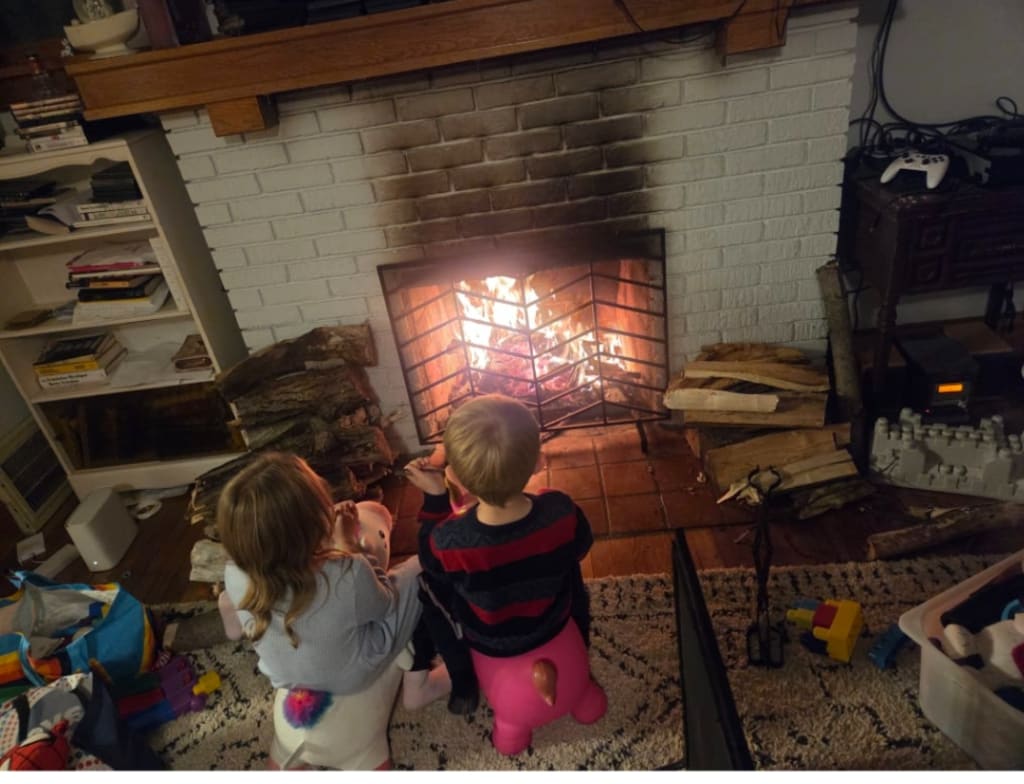
Fire has always been a symbol of transformation. From the first controlled flames used by early humans to modern industrial furnaces and raging wildfires, fire represents creation and destruction, warmth and devastation, survival and loss. “The Climax of Fire” refers to that pivotal moment when flames reach their peak—when energy, intensity, and consequence converge.
At its climax, fire reveals its true nature. It no longer flickers as potential; it asserts itself as power.
Fire as a Force of Transformation
Throughout history, fire has been a tool of progress. It shaped civilizations, enabled metallurgy, powered engines, and brought communities together around shared warmth and food. Yet fire has also been an instrument of catastrophe, capable of erasing homes, forests, and lives in moments.
The climax of fire is where these dual roles intersect. It is the moment when transformation becomes irreversible—when the outcome, whether renewal or ruin, is sealed.
Wildfires and the Modern Age
In the modern world, the climax of fire is most visibly seen in wildfires. Across continents, forests burn with unprecedented intensity, driven by climate change, prolonged droughts, and rising temperatures.
When a wildfire reaches its climax, containment becomes nearly impossible. Firestorms generate their own weather systems, leap across firebreaks, and consume entire landscapes. These moments mark not only environmental disaster but a reckoning with humanity’s role in fueling these extremes.
The aftermath often leaves behind scorched land, displaced communities, and questions about prevention and responsibility.
The Emotional Climax of Fire
Fire also exists on an emotional level. Anger, passion, ambition, and desire are often described as flames building within us. The climax occurs when emotion overwhelms restraint—when words are spoken that cannot be taken back or actions are taken that alter relationships forever.
In this sense, the climax of fire mirrors human experience. It is the moment of release, where tension transforms into consequence. Whether destructive or cathartic depends on the context and control.
Fire in Culture and Myth
Mythologies around the world portray fire as divine or forbidden. Prometheus stealing fire for humanity represents enlightenment and rebellion. Phoenix legends depict rebirth through flame, where destruction is a prerequisite for renewal.
In these stories, the climax of fire is sacred—a moment of passage. Cultures have long understood that fire’s peak is not random but meaningful, often marking the transition from one state of being to another.
Industrial Fire and Human Control
Modern society prides itself on controlling fire through technology. Factories, power plants, and engines rely on combustion at precise levels. Yet industrial disasters—refinery explosions, factory fires, chemical plant accidents—remind us that control is fragile.
When industrial fire reaches its climax, systems fail, safety margins collapse, and human error meets unstoppable force. These moments expose the risks of pushing fire to its limits in pursuit of efficiency and profit.
Fire and Environmental Consequences
Beyond immediate destruction, the climax of fire carries long-term consequences. Wildfires release massive amounts of carbon into the atmosphere, accelerating climate change. Burned soils lose nutrients, increasing erosion and reducing biodiversity.
Even controlled burns, when mismanaged, can cross into destructive territory. The line between necessary fire and catastrophic fire is thin, and crossing it often leads to consequences that last for generations.
The Climax Before Renewal
Despite its destructive potential, fire also clears space for renewal. Some ecosystems depend on periodic burning to regenerate. Seeds germinate, invasive species are reduced, and soil nutrients are released.
In these cases, the climax of fire is not an end but a turning point—a moment that allows life to begin again. This balance reminds us that fire itself is neutral; it is our relationship with it that determines the outcome.
Lessons in Restraint and Respect
The climax of fire teaches a lesson about limits. Whether dealing with nature, technology, or emotion, unchecked intensity leads to loss of control. Respecting fire means recognizing when to contain it and when to let it run its course under careful conditions.
Societies that ignore these lessons often face repeated devastation, while those that adapt learn how to coexist with fire rather than constantly fight it.
Fire as a Metaphor for Human Progress
Human progress often follows the same pattern as fire. It builds slowly, intensifies rapidly, and reaches a peak that demands reflection. Without balance, growth turns into excess, innovation becomes exploitation, and ambition leads to collapse.
The climax of fire serves as a warning: power without restraint consumes itself.
Conclusion
“The Climax of Fire” is more than a physical event—it is a moment of truth. Whether in forests, factories, or the human heart, fire reveals its full impact when it reaches its peak.
In that moment, there is no ambiguity—only consequence. The challenge for humanity is not to extinguish fire entirely but to understand it, respect it, and recognize when the flames are approaching their climax.
Because once fire reaches that point, it is no longer just heat and light—it becomes destiny.
About the Creator
Keep reading
More stories from Aarif Lashari and writers in The Swamp and other communities.
It’s Not Monday, But It’s Not Friday Yet Either
There is a peculiar emotional space in the middle of the week. It’s not Monday, with its fresh starts and reluctant alarm clocks. But it’s also not Friday, with its promise of rest, release, and reward. It’s the in-between—the stretch of time where momentum exists, but excitement feels distant.
By Aarif Lashari2 days ago in The Swamp
Greenland’s Security ‘Firmly’ Belongs in NATO, Says Prime Minister, After Latest Trump Threats to Take Over Territory
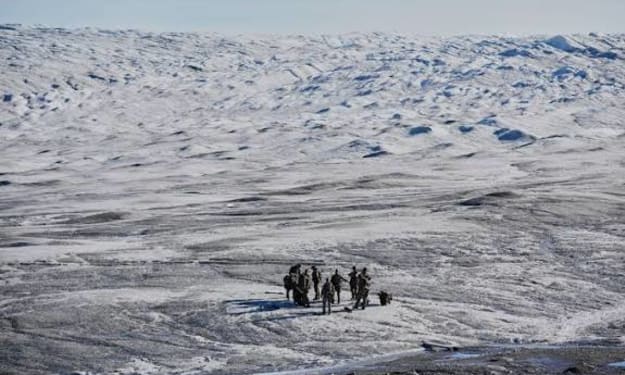
Greenland, the world’s largest island, has once again found itself at the center of geopolitical tensions after former U.S. President Donald Trump’s renewed remarks about acquiring the territory. The island’s strategic position in the Arctic and its natural resources have made it a coveted prize in global politics, drawing attention from not only the United States but also European powers. In response to the latest threats, Greenland’s Prime Minister emphasized that the island’s security is firmly embedded within NATO, signaling a clear message to any nation considering unilateral action.
By Fiaz Ahmed Brohi6 days ago in The Swamp



Comments
There are no comments for this story
Be the first to respond and start the conversation.