
Yemen: Separatists Allow Saudi-Backed Forces in Seized Areas
A fragile cooperation highlights shifting alliances in Yemen’s deeply divided conflict

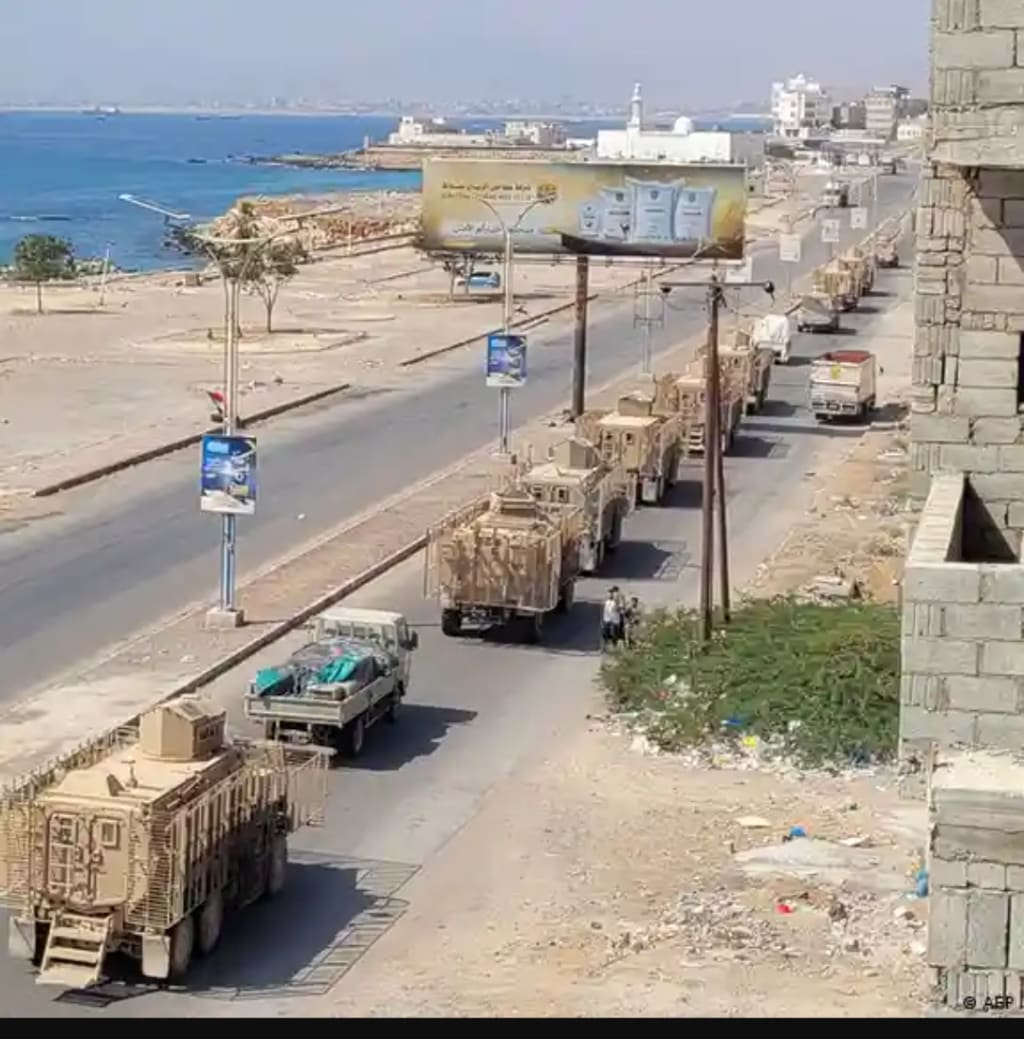
A Tactical Shift Signals Changing Power Dynamics in Yemen’s Fragmented Conflict
Yemen’s long-running conflict has taken another complex turn as southern separatist forces have allowed Saudi-backed government troops to enter areas they previously seized. The development highlights the fluid alliances, deep political fractures, and ongoing regional influence shaping one of the Middle East’s most protracted crises. While the move may signal temporary coordination, it also underscores the fragile nature of power-sharing arrangements in a country fractured by years of war.
Background: A War of Multiple Fronts
Since the civil war erupted in 2014, Yemen has been torn apart by competing political, regional, and ideological interests. The internationally recognized government, backed by Saudi Arabia, has fought against the Iran-aligned Houthi movement, which controls much of northern Yemen, including the capital Sanaa.
At the same time, the south has witnessed a separate struggle. The Southern Transitional Council (STC), a powerful separatist group backed by the United Arab Emirates, has long sought autonomy or independence for southern Yemen. This has often put the STC at odds with the Saudi-backed government, despite both being part of the broader coalition opposing the Houthis.
The Latest Development: A Strategic Opening
Recent reports indicate that southern separatist forces have allowed Saudi-backed government troops to enter key areas previously under separatist control. These areas, seized during earlier clashes, had become symbolic of the STC’s growing influence and territorial ambitions.
The decision to allow government forces in appears to be a calculated tactical move rather than a full reconciliation. Analysts suggest it may be aimed at easing tensions with Saudi Arabia, maintaining coalition unity against the Houthis, or securing political leverage in future negotiations.
Why the Shift Matters
This development is significant for several reasons:
Coalition cohesion: Saudi Arabia has long struggled to balance relations between Yemen’s government and the southern separatists. Any coordination reduces internal conflict within the anti-Houthi camp.
Territorial control: Allowing Saudi-backed forces into seized areas reshapes local power dynamics and may limit separatist autonomy.
Political signaling: The move sends a message that the STC remains open to negotiation, even while maintaining its long-term goal of southern self-rule.
However, observers caution that this cooperation may be temporary and transactional, rather than a sign of lasting unity.
Saudi Arabia’s Role and Regional Interests
Saudi Arabia remains deeply invested in Yemen’s future, viewing stability on its southern border as a national security priority. Riyadh has pushed for political frameworks like the Riyadh Agreement, which aimed to integrate separatist forces into the government while maintaining Yemen’s territorial integrity.
By backing the deployment of government forces into separatist-held areas, Saudi Arabia appears to be reinforcing its role as the primary power broker. The move may also reflect Riyadh’s desire to present a more unified front amid diplomatic efforts to reduce regional tensions and seek a broader ceasefire.
Southern Separatists: Cooperation Without Concession
For the STC, allowing Saudi-backed forces into seized zones does not necessarily mean abandoning separatist ambitions. Instead, it may be a strategic pause — designed to avoid direct confrontation with Saudi Arabia while preserving influence on the ground.
Southern leaders continue to emphasize grievances rooted in decades of political marginalization, economic neglect, and broken promises following Yemen’s unification in 1990. Many in the south view autonomy as the only path to lasting stability, regardless of short-term military cooperation.
Humanitarian and Civilian Implications
For civilians living in these contested areas, shifting control often brings uncertainty rather than relief. Yemen remains one of the world’s worst humanitarian crises, with millions facing food insecurity, displacement, and limited access to healthcare.
Any reduction in infighting between anti-Houthi factions could improve aid delivery and security, but history has shown that political realignments rarely translate into immediate improvements for ordinary Yemenis. Trust remains low, and local communities often bear the cost of elite power struggles.
What This Means for Yemen’s Future
The decision by separatists to allow Saudi-backed forces into seized areas reflects the complex pragmatism driving Yemen’s conflict. Alliances shift not because underlying disputes are resolved, but because circumstances demand flexibility.
While this development may reduce tensions in the short term, Yemen’s deeper challenges — fragmented authority, competing visions of statehood, and foreign involvement — remain unresolved. Without a comprehensive political settlement that addresses both northern and southern grievances, such arrangements risk unraveling under pressure.
Conclusion
The move by Yemeni separatists to allow Saudi-backed forces into seized territories marks a notable moment in the country’s evolving conflict. It signals tactical cooperation amid persistent division, shaped by regional influence and local ambitions. While it may strengthen coordination against common threats, it does little to resolve the fundamental political fractures tearing Yemen apart. Until inclusive dialogue and genuine compromise emerge, Yemen’s path toward peace will remain uncertain, defined more by shifting alliances than lasting solutions.
About the Creator
Asad Ali
I'm Asad Ali, a passionate blogger with 3 years of experience creating engaging and informative content across various niches. I specialize in crafting SEO-friendly articles that drive traffic and deliver value to readers.
First French FDI Frigate Begins Long-Duration Deployment
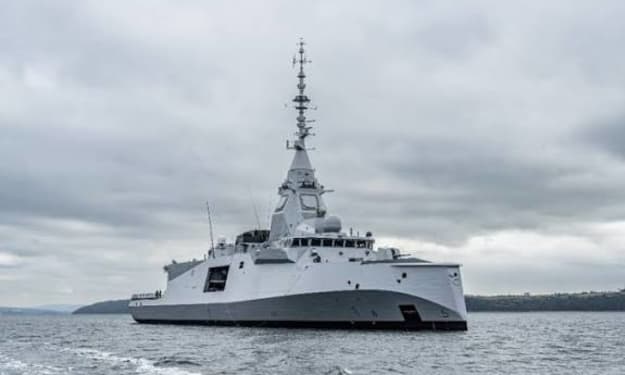
The French Navy has officially commenced the long-duration deployment of its first FDI (Frégate de Défense et d’Intervention) frigate, marking a significant milestone in France’s maritime defense capabilities. Designed for multi-mission roles, the FDI class frigates are intended to replace older vessels in the French fleet while delivering advanced technological capabilities for both national defense and international operations. This deployment signals France’s commitment to maintaining a robust naval presence in strategic waters amid rising global maritime tensions. The FDI frigate, equipped with state-of-the-art sensors, stealth features, and advanced weapons systems, is expected to perform a variety of missions during its deployment. These include maritime surveillance, anti-submarine warfare, protection of sea lanes, and supporting international coalition operations. The ship’s design incorporates modern combat systems, including the Sea Fire 500 radar and Aster missile systems, allowing it to track and neutralize aerial, surface, and underwater threats. French naval officials emphasize that the FDI frigate is capable of operating autonomously or as part of a larger naval task force, enhancing operational flexibility. The deployment represents not only a technological achievement but also a strategic statement. France has been actively expanding its naval influence in key regions, including the Indo-Pacific, the Mediterranean, and the Atlantic. With global security challenges evolving rapidly, particularly in contested maritime zones, the FDI frigate’s extended deployment demonstrates France’s readiness to project power and safeguard maritime interests. Officials have highlighted that this deployment will involve extensive exercises, joint maneuvers with allied navies, and operational patrols in areas critical to international trade and security. The FDI program itself has been a centerpiece of French naval modernization efforts. These frigates are smaller and more cost-effective than larger destroyers, but they do not compromise on firepower or technological sophistication. The construction of the first FDI frigate involved advanced shipbuilding techniques to improve stealth capabilities, reduce maintenance costs, and ensure long-term sustainability. By integrating cutting-edge electronics, propulsion systems, and automated operations, these frigates exemplify a new generation of naval engineering that blends efficiency with combat readiness. French defense experts note that the FDI frigate’s deployment is part of a broader plan to reinforce Europe’s maritime security posture. As geopolitical tensions rise in areas such as the South China Sea, the Eastern Mediterranean, and the North Atlantic, France aims to maintain a credible naval presence that can respond swiftly to emerging threats. The FDI frigate’s ability to integrate with multinational naval forces, including NATO operations, enhances its role as a versatile instrument of both national defense and international cooperation. During the upcoming deployment, the frigate will participate in exercises designed to test its combat systems under realistic conditions. These exercises are expected to include anti-air, anti-ship, and anti-submarine operations, providing valuable operational data and refining crew readiness. Furthermore, the deployment will involve diplomatic visits to friendly ports, reinforcing France’s role as a strategic partner in global maritime affairs. This dual focus on operational capability and international cooperation underscores the strategic importance of the FDI program. The successful launch and deployment of the FDI frigate also have broader implications for France’s domestic defense industry. The program supports high-tech manufacturing jobs, fosters innovation in shipbuilding, and strengthens the country’s strategic independence. The integration of advanced weaponry and electronics demonstrates France’s capability to produce cutting-edge military technology domestically, reducing reliance on foreign suppliers. In conclusion, the long-duration deployment of the first French FDI frigate marks a major milestone in both naval modernization and strategic maritime presence. Its advanced capabilities, versatility, and readiness to operate in diverse scenarios highlight France’s commitment to safeguarding its interests and contributing to international maritime security. As the FDI frigate begins its mission, it not only showcases France’s technological achievements but also signals its enduring commitment to maintaining a credible and agile naval force on the global stage.
By Fiaz Ahmed Brohi3 days ago in The Swamp



Comments
There are no comments for this story
Be the first to respond and start the conversation.