
Iran Warns of ‘Hazardous Consequences’ After EU Designates Revolutionary Guard as a Terrorist Organization
A New Flashpoint in an Already Strained Relationship
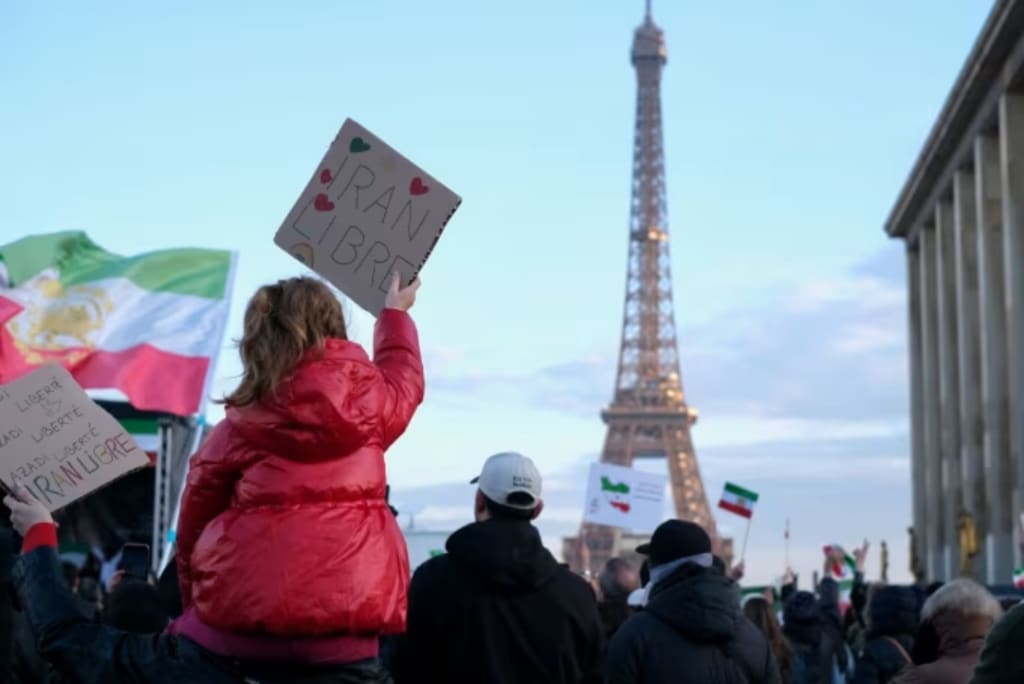
Tensions between Iran and the European Union have escalated sharply following the EU’s decision to designate Iran’s Islamic Revolutionary Guard Corps (IRGC) as a terrorist organization. The move—hailed by some European lawmakers as a necessary response to human rights abuses and regional destabilization—has triggered a forceful backlash from Tehran, which warns of “hazardous consequences” for Europe’s political and security interests.
The IRGC, a powerful military and political institution in Iran, sits at the center of many of the nation’s foreign policy decisions. Labeling it a terrorist group not only increases diplomatic friction but also threatens to reshape Europe’s engagement with Iran on everything from nuclear negotiations to trade agreements.
EU’s Decision: A Response to Escalating Concerns
The European Parliament’s decision reflects growing concern within Europe about Iran’s domestic crackdown on protests, as well as its alleged role in supplying drones to Russia for use in Ukraine. For many EU officials, the IRGC’s influence extends far beyond Iran’s borders, warranting increased pressure and accountability.
EU representatives have argued that the designation is intended to send a strong message: human rights violations and destabilizing military activities will not go unanswered. The decision also builds on the sanctions already imposed against IRGC commanders and Iranian institutions.
However, critics within Europe caution that the move, while symbolic, may complicate diplomatic channels that have been essential for addressing Iran’s nuclear program. With communication between Tehran and Western countries already fragile, restricting dialogue could hinder future efforts to manage regional tensions.
Iran’s Response: Sharp Warnings and Firm Rejection
Iranian officials reacted swiftly and firmly, condemning the EU measure as illegal, provocative, and counterproductive. By designating the IRGC as a terrorist organization, Iran argues that the EU is undermining geopolitical stability and risking escalation across the Middle East.
A spokesperson for Iran’s foreign ministry warned of “hazardous consequences” if the EU does not reverse the decision. While the statement stopped short of detailing potential retaliatory steps, experts believe Iran may respond through diplomatic reduction, reciprocal sanctions, or regional posturing involving its allies and proxy groups.
For Iran, the IRGC is not just another military entity—it is a cornerstone of the state. Any move to criminalize or delegitimize it is interpreted as an attack on the nation’s sovereignty.
Potential Fallout for Diplomatic and Economic Relations
The designation raises critical questions about the future of EU-Iran relations. Over the past decade, Europe has played a central role in diplomatic negotiations over Iran’s nuclear program, particularly through the Joint Comprehensive Plan of Action (JCPOA). With the EU’s new stance, the chances of reviving the nuclear agreement become even slimmer.
1. Diplomatic Channels Narrow Further
Visa restrictions, travel bans, and asset freezes targeting IRGC officials create new barriers to dialogue. Without high-level engagement, resolving other disputes—including detainee cases and regional security issues—becomes significantly more complicated.
2. Trade Relations Could Suffer
Iran and the EU have maintained modest but important economic exchanges. Any additional sanctions could deter European companies from doing business with Iran, particularly in industries like energy, automobiles, and pharmaceuticals.
3. Heightened Security Tensions
The IRGC maintains a strong presence across the region through aligned militias in Iraq, Syria, Lebanon, and Yemen. Escalating tension with Europe may influence the behavior of these groups, increasing the risk of regional instability.
Regional Implications: A Delicate Balance of Power
The Middle East is already managing multiple flashpoints—from conflicts in Gaza to tensions between Iran and Gulf states. Any deterioration in relations between Iran and Europe could influence how these crises evolve.
Impact on Gulf States
Countries like Saudi Arabia and the UAE are closely watching the situation. While some Gulf states may welcome increased pressure on Iran, others worry that rising tensions could complicate recent diplomatic advancements, including the Iran-Saudi rapprochement brokered by China.
The Role of the United States
Although the decision was made by the EU, Washington’s stance looms large. The U.S. has already designated the IRGC as a terrorist organization. Europe’s alignment with Washington on this matter may signal a shift toward a more united Western front against Iran’s regional activities.
However, this may also complicate any U.S. attempts to reopen back-channel talks with Tehran in the future.
The IRGC’s Centrality in Iranian Politics
Understanding the gravity of Iran’s reaction requires acknowledging the IRGC’s role within the country. Formed after the 1979 Islamic Revolution, the IRGC has evolved into a multifaceted institution with influence in:
About the Creator
A Better Greenland Deal: Redefining Arctic Diplomacy for the 21st Century
Greenland — that massive icy island up north — is suddenly back in the headlines. In early 2026, it became the center of an international stir, thanks to bold statements from U.S. leaders about its strategic value. What started as vague discussions about “total access” soon turned into diplomatic tension, protests in Copenhagen and Nuuk, and a worldwide debate about what a better Greenland deal should look like.
By Aqib Hussain3 days ago in The Swamp
Exclusive: Trump Says Hamas Helped Find Last Hostage, Now Must Disarm
In a statement that has quickly made international headlines, former U.S. President Donald Trump claimed that Hamas helped locate the remains of the final Israeli hostage, calling the moment a turning point in the long-running Gaza conflict. But Trump didn’t stop there. According to him, this cooperation comes with a condition — Hamas must now disarm.
By Aqib Hussain5 days ago in The Swamp



Comments
There are no comments for this story
Be the first to respond and start the conversation.