
Iran’s Khamenei Blames Violent Protests on Trump
Amid deadly unrest and political turmoil, Iran’s supreme leader alleges U.S. interference and blames former President Donald Trump for fuelling protests—setting off a fierce exchange between Tehran and Washington.
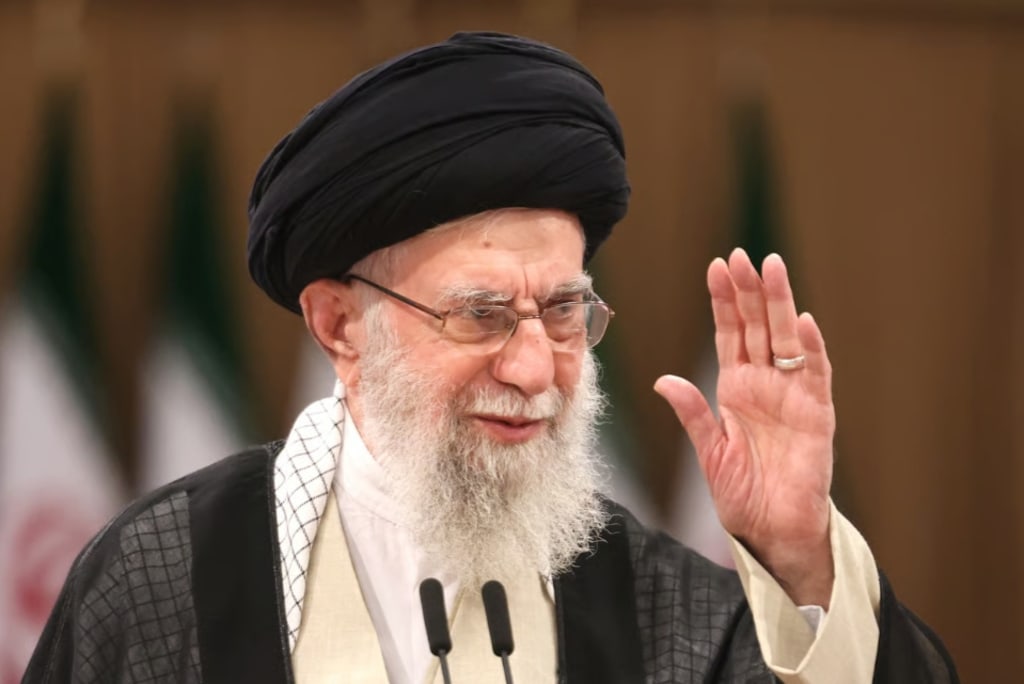
Iran is once again at the center of international attention after Supreme Leader Ayatollah Ali Khamenei blamed violent protests on former U.S. President Donald Trump, accusing Washington of fueling unrest inside the country. The comments come amid widespread demonstrations, a heavy security crackdown, and rising international concern over human rights and regional stability.
The accusation highlights a familiar pattern in Iran’s political narrative: external enemies versus internal discontent. But as protests continue and the human cost grows, many are asking whether foreign interference alone can explain the depth of anger seen on Iran’s streets.
🌍 Protests That Shook the Country
The protests erupted amid economic hardship, including high inflation, unemployment, and a declining currency. What began as demonstrations over living costs quickly expanded into broader expressions of frustration with governance, corruption, and lack of political freedom.
Cities across Iran witnessed clashes between protesters and security forces. Reports from human rights groups suggest thousands of people were killed or injured, while tens of thousands were arrested. Internet shutdowns and media restrictions have made independent verification difficult, but the scale of the unrest is undeniable.
🗣️ Khamenei’s Accusation
In a series of speeches and statements broadcast on state media, Ayatollah Khamenei claimed that Donald Trump and the United States were behind the violence, accusing them of encouraging chaos and attempting to destabilize Iran.
According to Khamenei, the protests were not purely the result of domestic grievances but part of a broader foreign plot involving the U.S., Israel, and Western allies. He described Trump as a key figure in what he called a campaign to weaken Iran and undermine its sovereignty.
This framing seeks to delegitimize protesters by portraying them as tools of foreign powers rather than citizens expressing genuine grievances.
🇺🇸 Trump’s Role and Rhetoric
Donald Trump has, in the past, openly supported Iranian protesters and called for changes in Iran’s leadership. During and after his presidency, he made statements encouraging Iranians to resist their government and criticized Tehran’s handling of dissent.
While Trump’s supporters argue that his comments reflect support for democracy and human rights, critics say such rhetoric strengthens hardliners inside Iran, giving authorities justification to blame unrest on foreign interference rather than addressing internal problems.
Trump has denied directly orchestrating protests but has not backed away from his criticism of Iran’s leadership.
⚠️ The Human Cost
Lost amid the political blame game is the human toll of the unrest. Families mourn loved ones, hospitals remain overwhelmed, and fear dominates daily life for many Iranians. Human rights organizations report widespread detentions, harsh interrogations, and allegations of torture.
For protesters, the issue is not geopolitics but survival, dignity, and opportunity. Many insist that while foreign powers may comment from afar, the reasons they took to the streets are deeply local.
🧠 Domestic Anger vs Foreign Narratives
Analysts argue that economic collapse and social repression are the primary drivers of the protests. Years of sanctions, mismanagement, and limited political freedoms have created a pressure cooker that finally exploded.
Blaming Trump and the U.S. serves a political purpose for Iran’s leadership: it unites supporters against a common external enemy and deflects attention from internal failures. However, critics warn that this approach risks widening the gap between the state and its citizens.
🌐 International Reaction
Western governments have condemned Iran’s violent crackdown and urged restraint, accountability, and respect for human rights. European leaders, while cautious, have echoed calls for dialogue and transparency.
At the same time, diplomatic tensions between Tehran and Washington have intensified, with warnings from Iranian officials that any direct action against the country’s leadership would have serious consequences.
🔮 What Comes Next?
Whether the protests will subside or resurface remains uncertain. Iran’s leadership appears determined to maintain control, while public anger shows no sign of disappearing.
Khamenei’s decision to blame Trump underscores how Iran’s internal crisis is deeply entangled with global politics. Yet many observers believe that lasting stability will depend less on external accusations and more on addressing the economic and social realities faced by ordinary Iranians.
📝 Final Thoughts
The claim that Trump is responsible for Iran’s violent protests reflects long-standing tensions between Tehran and Washington, but it does not fully explain the depth of frustration within Iranian society. As narratives clash on the global stage, the voices of everyday Iranians risk being drowned out.
Ultimately, the crisis raises a difficult question: can Iran move beyond blaming outsiders and confront the internal challenges driving its people to protest, or will the cycle of unrest and repression continue?
Category: Community
Community: Global Politics & Security
Tags: Iran Protests, Ayatollah Khamenei, Donald Trump, US-Iran Relations, Middle East Politics, Civil Unrest, Human Rights, Geopolitics
About the Creator
Keep reading
More stories from Aarif Lashari and writers in The Swamp and other communities.
EU to Hold Emergency Leaders’ Summit Over Trump’s Greenland Threats
Europe is bracing for another major diplomatic shock as the European Union prepares to hold an emergency summit in response to Donald Trump’s renewed threats involving Greenland. What began as provocative rhetoric has quickly escalated into a serious geopolitical issue, forcing EU leaders to confront questions of sovereignty, trade retaliation, and the future of transatlantic relations.
By Aarif Lasharia day ago in The Swamp
From Behind Bars, Aung San Suu Kyi Casts a Long Shadow Over Myanmar
Aung San Suu Kyi, Myanmar’s former civilian leader and Nobel Peace Prize laureate, continues to influence the nation’s political landscape despite being imprisoned since the February 2021 military coup. Her detention has not only intensified global attention on Myanmar’s political crisis but also shaped the country’s ongoing struggle for democracy, human rights, and international recognition.
By Fiaz Ahmed Brohi4 days ago in The Swamp
How, Too
Many people wonder how, too. You are not alone, and I am an expert. I will teach you how, too! First, you need to remit a small application fee and fill out an application describing the nature of your financial situation and how often payments will be made, as this will have great bearing on how well I teach you how, too.
By Harper Lewis3 days ago in Fiction



Comments
There are no comments for this story
Be the first to respond and start the conversation.