
🧭 Inside Iran’s Preparation for War and Plans for Survival
As diplomatic talks with Washington continue, Tehran bolsters defenses, missile production, and regional networks to prepare for potential conflict while pursuing survival strategies.

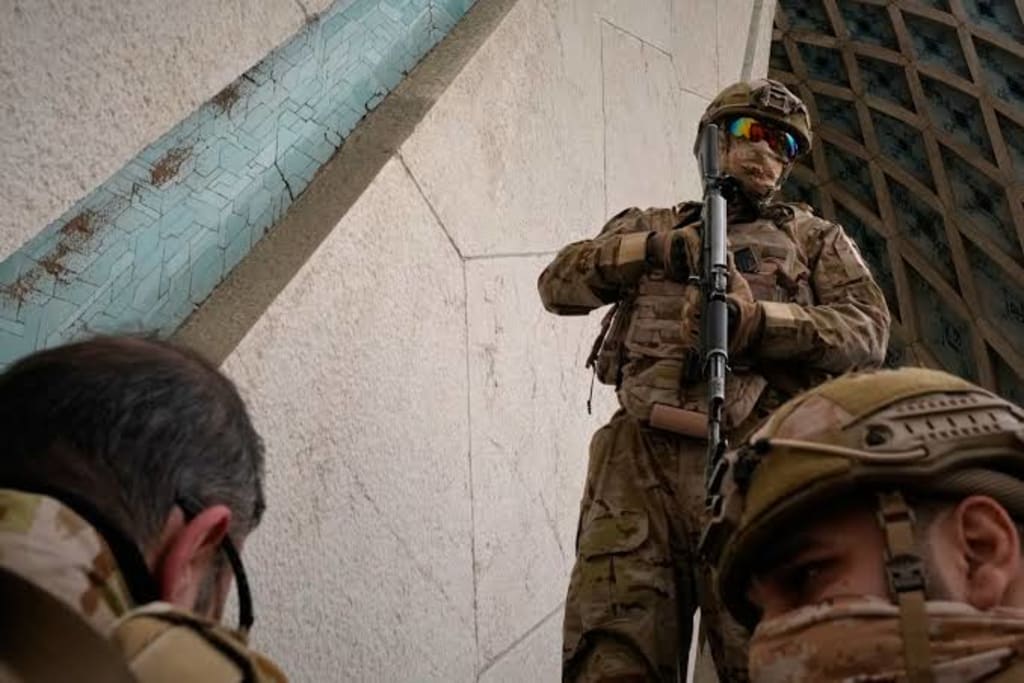
As tensions with the United States and its allies rise, the Iran is not only negotiating on the diplomatic front but also quietly preparing for the possibility of a long, drawn-out conflict. Iranian leaders, military officials, and strategic planners appear to be reinforcing both their defensive readiness and survival strategies, balancing threats from war with efforts to maintain national stability.
Heightened Security Posture Amid Diplomatic Standoff
According to defense reporting, the Iranian regime has been adjusting its military posture as talks with Washington falter and ultimatums are issued. Despite ongoing nuclear negotiations — including plans to draft a counterproposal — Tehran is simultaneously preparing for the possibility that diplomacy fails and hostilities break out.
Sources say Iran’s strategic focus includes reinforcing its deterrence capabilities and planning for a protracted conflict if necessary. Officials in Tehran believe that a show of strength may increase their leverage at the negotiating table and decrease the likelihood of a successful punitive strike by external powers.
Military Strategy and Defense Upgrades
Iran’s leaders emphasize that they are prepared to defend their territory and interests but have repeatedly stated they do not intend to initiate a war. In speeches to military personnel, senior commanders stress defensive readiness while calling for regional stability. They assert that Iran has boosted its deterrent power, including improvements in ballistic missile capabilities, to ensure it can respond forcefully to aggression
The ballistic-missile program is central to Tehran’s defense strategy. It remains the largest in the Middle East and serves as a pillar of deterrence, designed to offset conventional superiority by adversaries. The Iranian leadership calculates that a credible missile threat raises the costs of any potential attack on Iranian soil.
Learning from Recent Conflicts
Iran’s experience in the June 2025 “12-day war” with Israel and the U.S. has informed its strategic adjustments. Lessons from that conflict — particularly the vulnerability of fixed radar installations and the necessity of mobility and redundancy — are shaping modernization efforts across the Iranian military. New radar units, mobile air-defense deployments, and diversified surveillance systems are being prioritized to improve resilience and complicate potential air attacks by adversaries.
The state has reportedly begun focusing on mobile radar units capable of rapid redeployment, use of artificial intelligence to integrate early warning systems, and expanded electronic warfare capabilities. These moves reflect a broader effort to create a more adaptable and survivable defense architecture.
Missile Production and Force Expansion
Even after Iran lost a significant portion of its missile launcher inventory during past conflicts, reports indicate that Tehran continues to scale up production. Analysts say Iran is producing hundreds of ballistic missiles per month, with a range of capabilities that could overwhelm regional air defenses. This sustained output underscores Tehran’s strategy of building quantity and dispersion alongside quality, making it harder for an opponent to suppress missile forces quickly.
Proxy Mobilization and Regional Networks
Another key element of Iran’s survival plan is the activation and coordination of its regional allied networks. Proxy groups and allied militias in Iraq, Lebanon, Yemen, and Syria have been mobilized to offer strategic depth and complicate any direct confrontation. This regional network can provide asymmetric pressure on adversaries and act as a deterrent by threatening broader escalation if Iran is attacked.
Balancing War Preparation with Diplomacy
Despite strong rhetoric and military readiness, Iranian diplomats continue to participate in negotiations. Officials have signaled they prefer a diplomatic solution, reiterating that Iran’s nuclear program doesn’t have a military purpose and that a deal is still attainable. The government maintains that constructive dialogue remains preferable to conflict, even as it prepares for worst-case scenarios.
Survival Strategies Beyond the Battlefield
Preparations for conflict are not limited to military measures. Iran appears to be reinforcing internal control mechanisms — including digital isolation strategies — to reduce the impact of outside influence and maintain resilience in the face of potential external pressure. Long-term plans include tightening control over internet infrastructure to manage information flows and ensure communications remain intact during crises.
Looking Ahead: A Calculus of Caution
Iran’s dual track of negotiation and preparation reflects a nuanced approach to survival in an unpredictable geopolitical environment. By reinforcing its defense infrastructure, upgrading missile and radar capabilities, mobilizing regional proxies, and enhancing internal security, Tehran is positioning itself to withstand external pressure while leaving room for diplomatic breakthroughs. Whether these preparations deter military action or simply postpone confrontation remains uncertain — but they underscore a comprehensive strategy aimed at ensuring Iran’s survival even in the face of war.
About the Creator
Fiaz Ahmed
I am Fiaz Ahmed. I am a passionate writer. I love covering trending topics and breaking news. With a sharp eye for what’s happening around the world, and crafts timely and engaging stories that keep readers informed and updated.
Keep reading
More stories from Fiaz Ahmed and writers in The Swamp and other communities.
US vs Iran’: Can Yemen Houthis Hijack USS Abraham Lincoln if It Strikes Iran?
As the United States weighs potential military action against Iran amid heightened tensions over nuclear negotiations and regional hostilities, defence analysts are closely watching not just Tehran’s response but that of Yemen’s Houthi movement — the Iran-aligned armed group that has been targeting international shipping and signalling it may strike U.S. naval assets if Washington enters a conflict. While the idea of a direct “hijacking” of an aircraft carrier such as the USS Abraham Lincoln is highly implausible given modern naval defenses and U.S. military superiority, the Houthi threat underscores how a broader regional conflagration could pull in additional actors and complicate any American operations. Houthis: From Shipping Attacks to Threats on U.S. Ships Over the past several years, the Iran-backed Houthis — formally known as Ansar Allah — have launched repeated missile and drone strikes on commercial vessels and naval targets in the Red Sea, the Bab al-Mandeb strait, and the Gulf of Aden. The group claims these actions are in solidarity with Palestinians and in protest of Western and Israeli military policies. Since late 2023, the Houthis say they have attacked more than 100 ships, firing missiles and drones across one of the world’s most important shipping lanes. U.S. Central Command has responded by intercepting and destroying Houthi drones and missiles, including in self-defence operations, and has struck Houthi weapon storage and command facilities in Yemen to degrade those capabilities. Importantly, in June 2025, Reuters reported that the Houthis openly threatened to target U.S. ships — including warships — “if Washington joins strikes on Iran.” That declaration suggests that the group sees American involvement in a wider regional conflict as an impetus to escalate its own actions Geography and Capabilities: What the Houthis Can and Cannot Do The Houthis control significant territory in northern Yemen, including large coastal stretches on the Red Sea. They have used this geography to fire missiles, drones and even unmanned surface vessels at international shipping and naval assets. Analysts say their arsenal is a mix of short-range ballistic missiles, anti-ship cruise missiles, and armed drones — many believed to be of Iranian origin or design. However, these systems have limitations. While they can threaten unarmoured merchant vessels and pose risks to smaller craft, they lack the precision, range, and frequency needed to overwhelm a carrier strike group’s layered defenses. U.S. Navy carriers like the Abraham Lincoln are protected by: Aegis-equipped escort destroyers, capable of tracking and intercepting missiles and drones Carrier air wings, including fighters and early-warning aircraft Electronic warfare systems and point-defence weapons designed to defeat approaching threats These assets make a direct “hijack” or capture scenario nearly impossible; carriers are some of the most heavily defended platforms in the world. Threat vs. Capability Despite the group’s rhetoric, there is no verified event in which Houthis have successfully damaged or captured a U.S. aircraft carrier. When claims have been made — including assertions of targeting U.S. carriers with a combination of missiles and drones — U.S. military officials have either denied hits or confirmed only interception of various Houthi UAVs and missiles with no damage to warships. That said, the group’s pattern of attacks has forced Western navies to expend time, ammunition and strategic focus on patrols in the Red Sea rather than elsewhere. In 2024 and 2025, U.S. and allied forces conducted hundreds of air and cruise missile strikes against Houthi sites in response to repeated attacks. If the U.S. Strikes Iran A U.S. strike on Iran could significantly change the calculus. The Houthis would likely ramp up operations in the Red Sea and Gulf of Aden, viewing the conflict as part of a broader struggle involving Iran and its network of allied militias. Statements published by Yemen-based outlets and observers indicate that the group has linked its actions to wider geopolitical dynamics and said it will resume targeting Western shipping if cease-fires or restraint collapse. However, even in a worst-case scenario of heightened operations, analysts believe the Houthis would focus on swarming attacks using drones and missiles against commercial and lightly defended naval units — not the complex and extremely costly attempt to board or hijack an American carrier, which would be militarily unrealistic. Regional Strategic Fallout Even without realistic capability to strike a carrier directly, Houthi threats add a complicating factor. A broader Middle Eastern conflict could force the U.S. Navy to divide attention between protecting high-value national assets and countering opportunistic proxy attacks. It would also draw other Iran-aligned groups in Iraq, Lebanon and Syria into a wider vector of conflict, risking a multi-front crisis unlike any the region has seen since 2003.
By Fiaz Ahmed about 12 hours ago in The Swamp
A Gathering of Evil Bosses
“I’m the queen of chin jutting while I smooth my hair, attacking, insulting, and deflecting to protect my appointer.” “Oh, please, Blondi, my hair is curled, highlighted, and longer than yours. I feature television commercials telling immigrants that we will give them a free plane ride home, and if they voluntarily turn themselves in, they will be allowed to legally apply for re-entry. It runs everywhere, and I look good in it! You can’t compete because of your blond hair. Mine is nicer, and my lips are prettier than yours.”
By Andrea Corwin 4 days ago in The Swamp
Draft Deleting? Don't Do It!
Today, I had a little time. I decided that I would have a look at the drafts that I have on Vocal. This is part of a long-term wish to have everything I've written on paper rather than virtually. I've not looked at them for weeks and something drew me to them, just to browse and see what was there.
By Rachel Deeming7 days ago in Writers




Comments
There are no comments for this story
Be the first to respond and start the conversation.