
India-Pakistan Conflict 2025: Inside the Pahalgam Attack and Rising Tensions in Kashmir
The Pahalgam Tragedy That Sparked a Storm Decades of Hostility: The India-Pakistan Kashmir Dispute Military Escalation: LoC Firefights and Missile Tests Diplomatic Fallout and Global Concern What Lies Ahead for South Asia’s Nuclear Rivals?

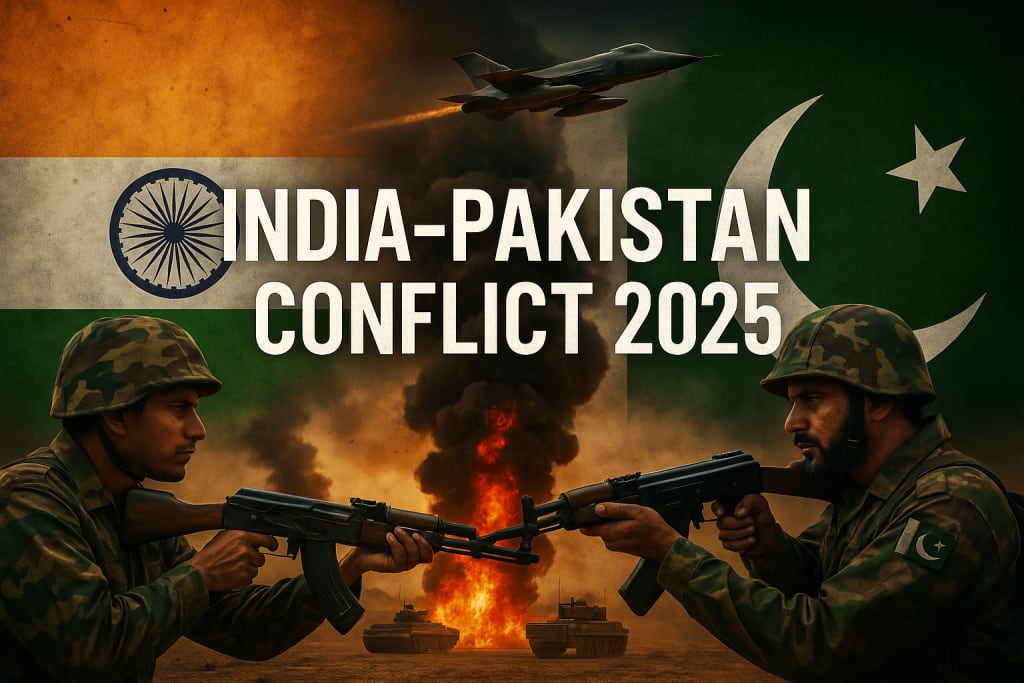
The Pahalgam Tragedy That Sparked a Storm
On April 22, 2025, a horrific terrorist attack in the Baisaran Valley near Pahalgam, a tourist haven in Indian-administered Kashmir, sent shockwaves across South Asia. Disguised as Indian soldiers, a group of militants opened fire on Hindu pilgrims, killing 26 and injuring over 20 others. The attackers fled into dense forests, evading capture. This incident immediately reignited hostilities between India and Pakistan.
The Indian government was swift in its accusations, pointing to Pakistan-based terror groups, specifically Lashkar-e-Taiba, as the orchestrators of the massacre. The presence of Pakistani nationals among the attackers, as cited by Indian intelligence, further inflamed the situation. Pakistan, however, denied any involvement, calling the claims baseless and politically motivated.
Decades of Hostility: The India-Pakistan Kashmir Dispute
India and Pakistan have fought three full-scale wars and engaged in countless skirmishes since their independence in 1947. At the heart of their animosity lies the Kashmir region, a territory both nations claim in full but control in parts. The region has seen cycles of insurgency, military operations, and diplomatic breakdowns for decades.
Tensions have been especially volatile since the 2019 revocation of Article 370, which stripped Jammu and Kashmir of its special status. This move further alienated local populations and drew sharp rebukes from Pakistan. The 2025 Pahalgam attack has now become the deadliest incident since the 2019 Pulwama bombing and may signal another prolonged phase of unrest.
Military Escalation: LoC Firefights and Missile Tests
In the days following the attack, both nations began bolstering their military positions along the volatile Line of Control (LoC). Cross-border firing has been reported almost daily since April 24, with casualties on both sides. On May 3, Pakistan test-fired its short-range Abdali missile, seen by many analysts as a show of strength amidst the escalating tensions.
India responded with large-scale military drills in its northern border regions and civil defense exercises in New Delhi and Punjab, signaling preparation for any potential escalation. Defense analysts warn that continued skirmishes and posturing increase the risk of an accidental war—especially between two nuclear-armed neighbors.
Diplomatic Fallout and Global Concern
As military movements intensified, so did diplomatic fallout. India suspended the Indus Waters Treaty, a landmark 1960 agreement that governs water sharing from rivers vital to Pakistan’s agriculture. Additionally, India expelled Pakistani diplomats and barred Pakistani aircraft from entering Indian airspace.
Pakistan retaliated by suspending the Simla Agreement, closing its airspace to Indian airlines, and recalling its ambassador from New Delhi. With both sides severing communication channels, backdoor diplomacy efforts have all but collapsed.
The United Nations Security Council held an emergency closed-door session on May 5. While urging both countries to exercise restraint, the council stopped short of direct intervention. Meanwhile, China and the United States have called for bilateral talks, though neither side appears willing to back down.
What Lies Ahead for South Asia’s Nuclear Rivals?
The situation remains fluid and unpredictable. Experts fear that if diplomacy fails, the region could descend into a more dangerous phase of confrontation, potentially involving cyber warfare, targeted airstrikes, or even a limited conventional war.
For civilians living in border towns like Uri in India and Muzaffarabad in Pakistan-administered Kashmir, life has already changed dramatically. Schools have shut down, bunkers are being reinforced, and the constant sounds of gunfire and military aircraft dominate daily life.
The international community has a critical role to play. Pressure from major global powers, economic ramifications, and internal political dynamics may eventually push both countries back to the negotiating table. However, until accountability for the Pahalgam attack is clearly established, and trust is somewhat restored, meaningful dialogue seems unlikely.
Conclusion
The 2025 India-Pakistan conflict is not just another chapter in a long history of rivalry—it is a stark reminder of how fragile peace can be in regions riddled with historical grievances. The Pahalgam massacre has reignited old wounds and threatened new wars, placing millions of lives in jeopardy.
For now, the world watches closely, hoping that reason prevails over retaliation.
About the Creator
Saqib Ullah
Saqib Ullah is a content creator and writer on Vocal.media, sharing SEO-friendly articles on trending news, lifestyle, current affairs, and creative storytelling. Follow for fresh, engaging, and informative reads.
Keep reading
More stories from Saqib Ullah and writers in The Swamp and other communities.
"The Global Economic Fallout from Trump's Aggressive Tariffs: What You Need to Know"
Introduction: The Unprecedented Tariffs Shaking the World Economy In April 2025, U.S. President Donald Trump shocked global markets with the announcement of sweeping tariffs on imported goods. The move, which has been described as the most aggressive trade policy in recent decades, is having far-reaching consequences for the global economy. The tariffs are not only straining international relations but also putting significant pressure on the already volatile financial markets. As countries across the world respond, the true economic cost of Trump’s tariff policy is becoming increasingly clear.
By Saqib Ullah9 months ago in The Swamp



Comments
There are no comments for this story
Be the first to respond and start the conversation.