
India and European Union Have Closed a ‘Landmark’ Free Trade Deal, Prime Minister Modi Says
A historic India–EU free trade agreement promises economic growth, strategic cooperation, and new opportunities for global trade

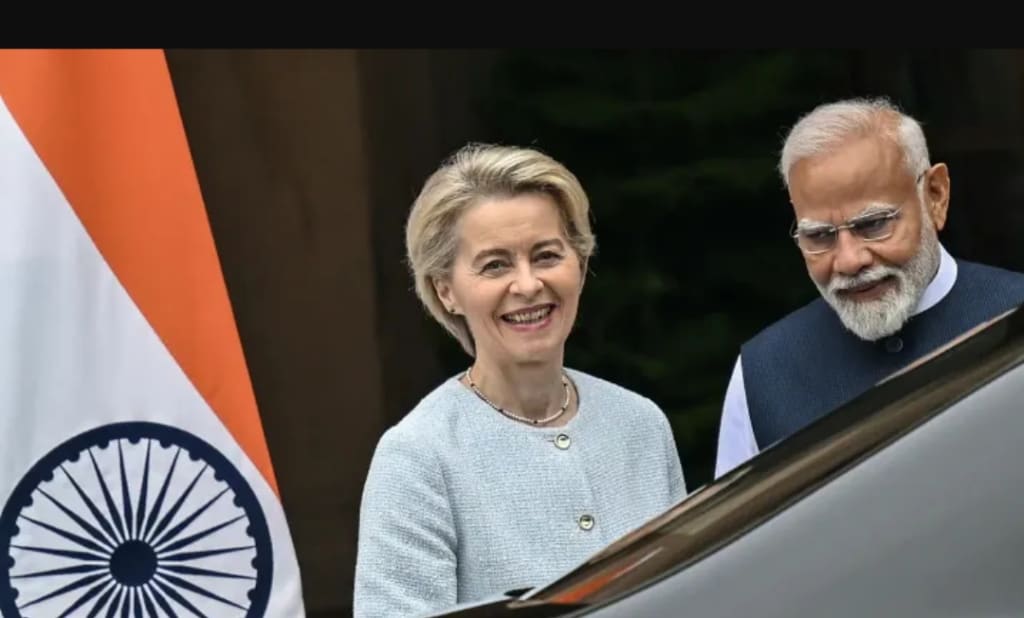
India and the European Union have officially closed what Prime Minister Narendra Modi has described as a “landmark” free trade deal, marking a major milestone in one of the world’s most significant economic partnerships. The long-anticipated agreement is being hailed as a turning point in India–EU relations, with the potential to reshape trade, investment, and geopolitical cooperation between the two economies.
With India emerging as one of the fastest-growing major economies and the European Union representing one of the world’s largest single markets, the deal is expected to have far-reaching implications not only for both partners but also for global trade dynamics.
---
What Makes the India–EU Free Trade Deal ‘Landmark’?
Prime Minister Modi’s description of the agreement as “landmark” reflects its scale, ambition, and strategic importance. Negotiations between India and the EU have spanned years, facing challenges related to market access, regulatory standards, labor concerns, environmental rules, and intellectual property rights. Closing the deal signals that both sides have found common ground on complex issues that previously stalled progress.
The agreement is designed to significantly reduce or eliminate tariffs on a wide range of goods, ease barriers to services trade, and create a more predictable environment for businesses and investors. For India, it represents deeper integration with a high-income market. For the EU, it offers stronger access to one of the world’s most dynamic consumer bases.
Boosting Trade and Economic Growth
At the core of the India–EU free trade deal is the goal of boosting bilateral trade, which already runs into hundreds of billions of dollars annually. By lowering trade barriers, the agreement is expected to make Indian exports more competitive in European markets while allowing European companies greater access to India.
Indian sectors such as textiles, pharmaceuticals, automotive components, IT services, and agriculture are likely to benefit from improved market access. Meanwhile, European exporters in areas like machinery, automobiles, chemicals, renewable energy technology, and luxury goods stand to gain from reduced duties and streamlined regulations.
Economists believe the deal could significantly increase trade volumes over the coming years, stimulate job creation, and support long-term economic growth on both sides.
A Win for Services and Digital Trade
Beyond goods, the free trade agreement places strong emphasis on services and digital trade, areas where India has a competitive edge. Indian IT firms, software developers, and professional service providers are expected to gain better access to European markets, supported by clearer rules on data flows and business mobility.
For the EU, enhanced cooperation in digital trade opens opportunities to collaborate with India on emerging technologies, cybersecurity, and digital infrastructure. This aspect of the deal aligns with global shifts toward knowledge-based and service-driven economies.
Strengthening Strategic and Geopolitical Ties
The timing of the agreement is significant. As global trade faces uncertainty due to geopolitical tensions, supply chain disruptions, and protectionist trends, the India–EU deal sends a strong signal in favor of open, rules-based trade.
Both India and the European Union see the partnership as a way to diversify supply chains, reduce dependence on a limited number of markets, and strengthen economic resilience. The deal also complements broader strategic cooperation on climate change, clean energy, defense, and global governance.
Prime Minister Modi has repeatedly emphasized India’s role as a trusted global partner, and the agreement reinforces India’s position as a key player in shaping the future of international trade.
Addressing Sustainability and Standards
A notable feature of the India–EU free trade deal is its focus on sustainability, labor standards, and environmental protection. The European Union has increasingly prioritized green trade policies, while India has highlighted its commitment to sustainable development and climate goals.
The agreement is expected to include provisions encouraging responsible business practices, environmental safeguards, and cooperation on climate-friendly technologies. For Indian exporters, meeting European standards may require adaptation, but it also opens doors to higher-value markets and long-term competitiveness.
Challenges and the Road Ahead
While the deal has been closed, its success will depend on effective implementation. Businesses on both sides will need clarity on rules, timelines, and compliance requirements. Small and medium-sized enterprises, in particular, will require support to fully leverage the opportunities created by the agreement.
There may also be domestic debates within both India and EU member states regarding sensitive sectors and regulatory alignment. However, leaders on both sides have framed the deal as a balanced outcome that protects core interests while promoting growth.
Conclusion: A New Chapter in India–EU Relations
The closure of the India–European Union free trade deal marks a new chapter in economic and strategic cooperation. By opening markets, strengthening supply chains, and promoting sustainable growth, the agreement has the potential to deliver lasting benefits for businesses, workers, and consumers.
As Prime Minister Modi underscored, this “landmark” deal is not just about trade figures—it reflects shared values, mutual trust, and a joint vision for the future. If implemented effectively, the India–EU free trade agreement could become a model for modern trade partnerships in an increasingly interconnected world.
About the Creator
Asad Ali
I'm Asad Ali, a passionate blogger with 3 years of experience creating engaging and informative content across various niches. I specialize in crafting SEO-friendly articles that drive traffic and deliver value to readers.
Xi’s Purge of Top General Spurs Questions on Taiwan, Succession
In one of the most dramatic political moves in recent Chinese history, President Xi Jinping has targeted one of his longest-serving military allies, General Zhang Youxia, vice chairman of China’s Central Military Commission (CMC). The purge has sparked serious questions about Beijing’s plans for Taiwan and the future of political succession in China.
By Aqib Hussain6 days ago in The Swamp
Imran Khan’s Health in ‘Grave Danger’ After Eye Blockage Diagnosis, Party Says
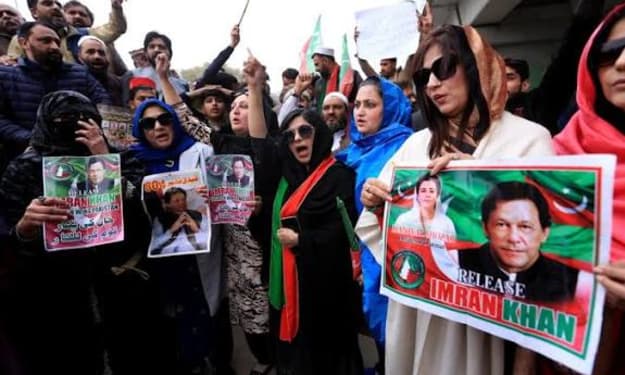
Political tensions rise as concerns grow over the former prime minister’s medical condition Fresh concerns have emerged over the health of former Pakistani Prime Minister Imran Khan, after his political party warned that his condition is in “grave danger” following a diagnosis related to an eye blockage. The statement has drawn widespread attention, adding a new layer of urgency to Pakistan’s already tense political climate. According to party representatives, the condition requires immediate and proper medical care. They argue that delays or restrictions in treatment could lead to serious and potentially irreversible consequences. While official medical details remain limited, the warning has sparked debate over prisoner health rights, transparency, and political accountability. What the Party Has Claimed Imran Khan’s party has stated that doctors identified a blockage affecting his eye, a condition that can interfere with blood flow and vision. Party officials say the diagnosis raises serious concerns and should be treated as a medical emergency. They have emphasized that eye-related blockages, if left untreated, may lead to long-term damage. The party insists that timely access to specialists, diagnostic tests, and treatment is essential to prevent further complications. The use of strong language such as “grave danger” reflects growing frustration among supporters, who believe Khan’s health situation is not being handled with the seriousness it deserves. Why Health Claims Matter in Detention Health concerns involving detained political leaders often draw public attention, especially in countries where politics is deeply polarized. International norms stress that detainees, regardless of status, are entitled to adequate medical care. Legal experts note that access to healthcare is not a political privilege but a basic right. When health warnings are ignored or delayed, they can become human rights issues, attracting scrutiny from courts, civil society, and international observers. In Khan’s case, supporters argue that medical transparency would help reduce speculation and restore public confidence. Understanding Eye Blockage Conditions While exact medical details have not been officially released, eye blockages generally refer to restricted blood flow affecting vision. These conditions can vary in severity and cause. Possible risks include: Sudden vision loss Persistent pain or pressure Long-term damage if untreated Medical professionals often stress early diagnosis and intervention. However, without official medical reports, it remains unclear how advanced the condition may be. Political Context Behind the Concern Imran Khan remains one of Pakistan’s most influential and divisive political figures. His legal troubles and detention have fueled ongoing political tensions across the country. Any development related to his health quickly becomes politically charged, with supporters viewing it as a test of fairness and opponents urging caution against politicizing medical issues. This situation highlights the difficulty of separating health matters from politics in high-profile cases. Calls for Transparency and Independent Review Human rights groups and legal analysts have repeatedly emphasized the importance of independent medical assessments in cases involving detained leaders. Transparent medical evaluations help ensure credibility and prevent misinformation. Party leaders have demanded that: Independent doctors be allowed to examine Khan Medical reports be shared with legal teams Treatment decisions remain free from political influence Such steps, they argue, would reduce tensions and reassure the public. Public Reaction and Supporter Response News of Khan’s reported health condition has triggered strong reactions among his supporters. Many have taken to social media to express concern and demand immediate action. Public gatherings, online campaigns, and legal petitions have followed similar health-related claims in the past. Analysts warn that continued uncertainty could lead to increased unrest if supporters believe medical needs are being ignored. At the same time, others urge patience, calling for verified information rather than emotionally driven conclusions. Government Silence and Official Position So far, official responses have been limited. Authorities have not released detailed medical statements addressing the party’s claims, which has fueled speculation. In high-profile cases, delays in communication often worsen public mistrust. Observers note that clear and factual updates could help ease tensions and prevent rumors from spreading. Silence, even if procedural, can be interpreted as indifference in politically sensitive situations. Health, Law, and Political Stability The situation underscores how health issues intersect with law and political stability. When the health of a prominent political figure is questioned, the impact extends beyond personal well-being. Such moments test: Legal safeguards for detainees Institutional transparency Public trust in governance Pakistan has faced similar challenges in the past, where unresolved health controversies added pressure to already fragile political environments. What Happens Next The coming days may prove crucial. Much will depend on whether: Independent medical evaluations are allowed Official health updates are shared Treatment access is clearly confirmed If authorities address the concerns openly, tensions may ease. If not, the issue could continue to dominate political discourse and legal proceedings. Conclusion The claim that Imran Khan’s health is in “grave danger” following an eye blockage diagnosis has intensified scrutiny on how health issues are managed in politically sensitive cases. While medical facts remain limited, the situation highlights broader questions about detainee rights, transparency, and accountability. In a deeply divided political landscape, clear communication and proper medical care are essential—not only for Khan’s well-being but also for maintaining public confidence. As attention remains focused on his condition, the response from authorities may shape both political reactions and public trust in the days ahead.
By Fiaz Ahmed 3 days ago in The Swamp


Comments
There are no comments for this story
Be the first to respond and start the conversation.