
Imran Khan and Bushra Bibi Sentenced to 17 Years in Toshakhana 2 Case: A Defining Moment in Pakistan’s Political Turmoil
A high-profile verdict that deepens Pakistan’s political divide and raises critical questions about accountability and justice

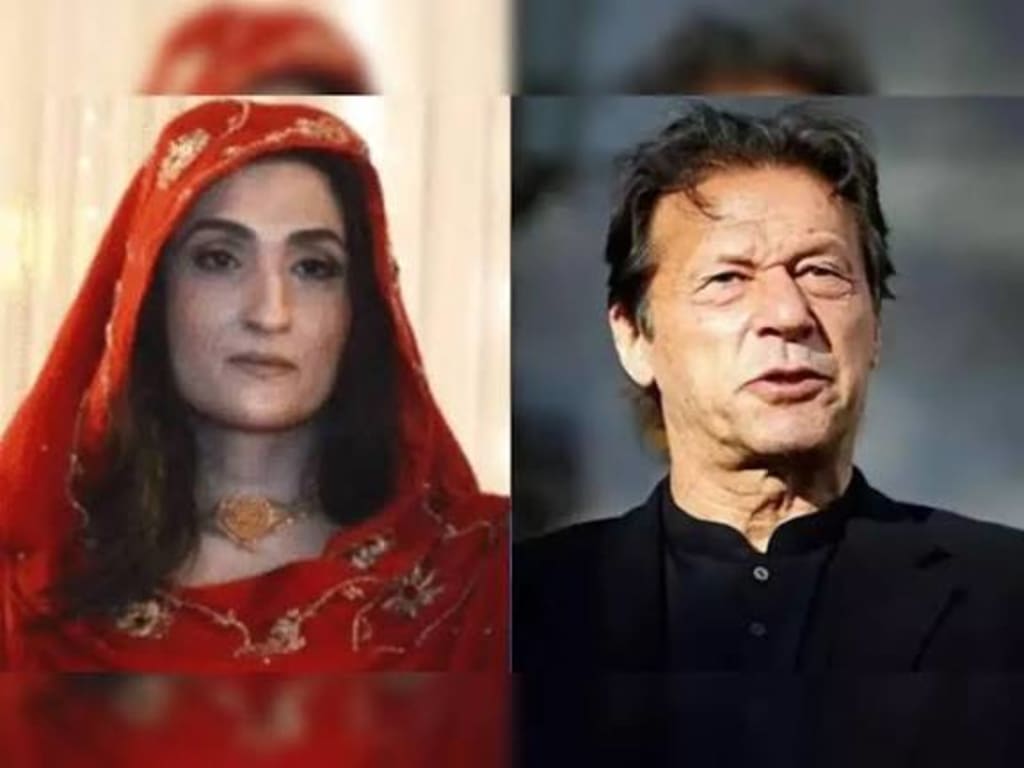
Pakistan’s already turbulent political landscape witnessed another seismic shift as former Prime Minister Imran Khan and his wife Bushra Bibi were sentenced to 17 years in prison in the Toshakhana 2 case. The verdict has not only intensified political polarization in the country but has also reignited national and international debate over accountability, governance, and the role of the judiciary in Pakistan’s power struggles.
The Toshakhana cases revolve around the alleged illegal retention and sale of state gifts received by Imran Khan during his tenure as prime minister from 2018 to 2022. Toshakhana, a government department, is responsible for storing and regulating gifts received by public officeholders from foreign dignitaries. While the first Toshakhana case had already led to Khan’s disqualification from office, the second case significantly escalated legal consequences, drawing Bushra Bibi into the spotlight alongside him.
What Is the Toshakhana 2 Case?
According to the prosecution, Imran Khan and Bushra Bibi were accused of unlawfully benefiting from high-value gifts received from foreign leaders, including luxury items that should have either been deposited with the state or purchased under strict rules. Authorities alleged that the couple either underpaid for these gifts or misrepresented their value, resulting in financial loss to the national exchequer.
The court ruled that the actions constituted corruption and misuse of authority, sentencing both Khan and Bushra Bibi to 17 years of rigorous imprisonment, along with fines and further disqualification from holding public office. The judgment marked one of the harshest penalties imposed on a former Pakistani prime minister.
Political Shockwaves Across Pakistan
The verdict has sent shockwaves through Pakistan’s political system. Supporters of Imran Khan, particularly those affiliated with Pakistan Tehreek-e-Insaf (PTI), have condemned the ruling as politically motivated. They argue that Khan is being targeted systematically to sideline him permanently from politics ahead of future elections.
On the other hand, critics of the former prime minister view the conviction as long-overdue accountability. They maintain that no leader should be above the law and that the Toshakhana case symbolizes a broader effort to address elite corruption—an issue that has plagued Pakistan for decades.
Bushra Bibi’s Controversial Involvement
Bushra Bibi’s sentencing has added another layer of complexity to the case. Traditionally known for her spiritual lifestyle and limited public presence, her legal troubles have drawn intense media scrutiny. Prosecutors claimed she played an active role in receiving and retaining the gifts, while defense lawyers insisted she was unfairly implicated due to her association with Imran Khan.
Her conviction has sparked debate about the extent to which spouses of political leaders should be held accountable for official matters, especially in cases involving shared benefits.
Legal and Institutional Implications
The Toshakhana 2 verdict highlights the growing assertiveness of Pakistan’s accountability mechanisms—but also raises concerns about selective justice. Legal experts are divided: some argue the ruling strengthens institutional credibility, while others warn it could deepen mistrust if perceived as unevenly applied.
Imran Khan’s legal team has already announced plans to challenge the verdict in higher courts. Appeals could take months, if not years, prolonging uncertainty around his political future and further destabilizing the country’s already fragile democratic environment.
International Reactions and Economic Impact
International observers are watching closely. Pakistan’s political instability has direct implications for foreign investment, diplomatic relations, and economic recovery efforts. Frequent leadership changes and prolonged legal battles have historically weakened investor confidence, and this latest development is unlikely to help.
Human rights groups have also expressed concern over due process, urging transparency and judicial independence amid rising political tensions.
What Lies Ahead?
For Imran Khan, the sentence represents perhaps the most critical juncture of his political career. Once hailed as a reformer promising a “New Pakistan,” he now faces prolonged incarceration and political isolation. For Pakistan, the case underscores the enduring struggle between accountability and political rivalry.
Whether the Toshakhana 2 verdict becomes a milestone in strengthening rule of law—or another chapter in Pakistan’s cycle of political vendettas—will depend on how the legal process unfolds in the months ahead.
One thing, however, is certain: the sentencing of Imran Khan and Bushra Bibi has reshaped Pakistan’s political narrative, leaving lasting questions about power, justice, and the future of democracy in the country.
About the Creator
Fiaz Ahmed Brohi
I am a passionate writer with a love for exploring and creating content on trending topics. Always curious, always sharing stories that engage and inspire.
Keep reading
More stories from Fiaz Ahmed Brohi and writers in The Swamp and other communities.
Bumper Christmas for Air Travel as 300 Million Take to the Skies
As Christmas approaches, the global aviation industry is witnessing an unprecedented surge in passenger numbers, with an estimated 300 million people expected to take to the skies during the festive season. Airlines across continents are reporting fully booked flights, packed terminals, and a scramble for last-minute tickets, signaling one of the busiest holiday periods in aviation history.
By Fiaz Ahmed Brohiabout a month ago in The Swamp
The Bombshell Claims in Brooklyn Beckham's Post – From Wedding Dress Drama to ‘Hijacked’ First Dance
Brooklyn Beckham, the eldest son of David and Victoria Beckham, has ignited a media frenzy with a recent post that has left fans and followers buzzing with curiosity and speculation. The post contains a series of bombshell claims about his high-profile wedding, including alleged drama over the wedding dress and a first dance that reportedly didn’t go as planned.
By Aarif Lashari29 minutes ago in The Swamp
Silver Screen Magic with Mae West
American actress and singer Mae West became a popular film actress during the Great Depression. She started entertaining in vaudeville, then performed on Broadway, and finally went to Hollywood. She signed up with Paramount Pictures and made her debut in the 1932 film “Night After Night.” She also starred in musicals, comedies, and crime dramas. The American Film Institute named her one of the best classic Hollywood actresses.
By Rasma Raisters7 days ago in Geeks


Comments
There are no comments for this story
Be the first to respond and start the conversation.