
Hundreds of Minnesota Businesses Close to Protest ICE Presence: A Show of Solidarity and Resistance
Local Business Owners and Communities Rally Against Increased Immigration Enforcement, Highlighting Growing Tensions Over Immigration Policies
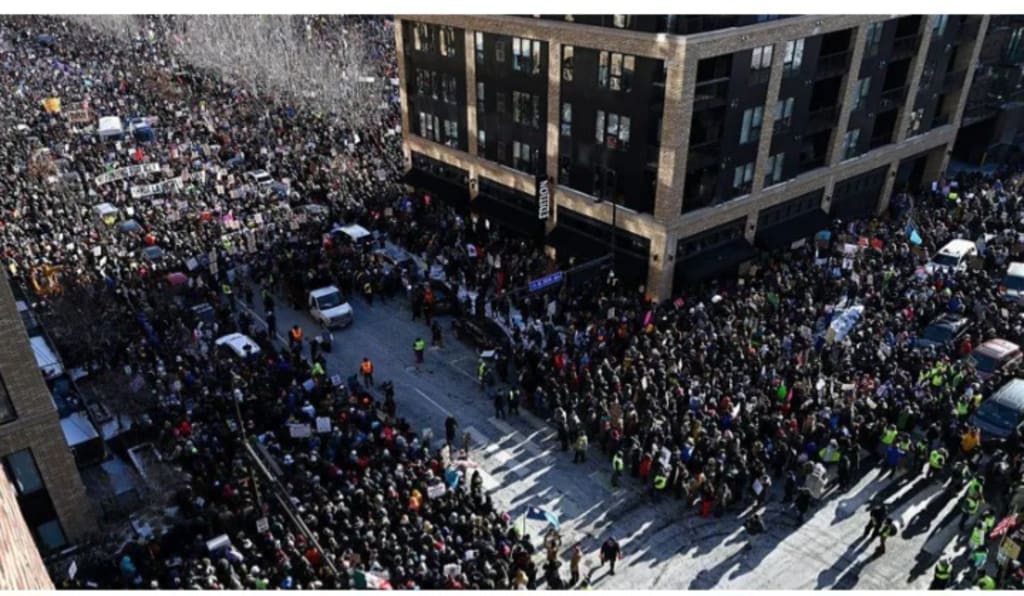
Introduction
In a powerful and unprecedented move, hundreds of businesses across Minnesota closed their doors to protest the presence of Immigration and Customs Enforcement (ICE) agents in their communities. This act of solidarity, known as a “Day Without Immigrants,” signals growing unrest over the agency’s aggressive tactics and their impact on immigrant communities. The protest is not just a statement against ICE, but also a plea for humane immigration policies that prioritize human dignity over enforcement actions.
The Spark for the Protest
The protest comes on the heels of escalating ICE operations in Minnesota, where agents have been increasingly visible in certain communities, leading to fears among immigrant populations. Many business owners, particularly in the state’s large immigrant communities, have expressed concerns over the impact of these raids on their workforce, families, and customers. With reports of workplace and neighborhood raids becoming more common, business owners felt compelled to take a stand.
"Immigrant workers are the backbone of many industries in Minnesota—especially in agriculture, meatpacking, and service sectors," said Maria Gonzalez, owner of a local restaurant in Minneapolis. "When ICE shows up at our doorsteps, it doesn’t just affect one person; it disrupts the entire community."
The Day of Action: What Happened?
On the designated protest day, thousands of workers and business owners in Minnesota participated in the protest by shutting down their operations. From Minneapolis to Rochester, the closures were widespread. While some businesses closed entirely for the day, others chose to close for specific hours, or limit services, such as take-out only or reduced hours.
The protest also saw a wave of support from non-immigrant-owned businesses and allies, who stood in solidarity with their immigrant neighbors. A number of local coffee shops, restaurants, and retail stores posted signs that read, “Today, we close in solidarity with our immigrant workers and community.”
The closure of businesses was symbolic, but it was also a practical demonstration of the significant role that immigrant workers play in Minnesota’s economy. According to the Migration Policy Institute, immigrants make up more than 20% of Minnesota’s labor force, and they are essential in industries such as construction, manufacturing, healthcare, and agriculture.
The Impact on Local Communities
The presence of ICE in Minnesota is not just a matter of policy; it is deeply personal for many residents. Immigrant families have long made Minnesota their home, contributing to the cultural and economic fabric of the state. For many, the fear of deportation or family separation is an ongoing anxiety that impacts their day-to-day lives.
Local leaders from immigrant advocacy groups have spoken out about the emotional toll of ICE raids, particularly on children and families who are left behind. The psychological distress, compounded by the fear of separation, has led to increased anxiety and mental health issues among Minnesota’s immigrant populations.
“We are not just fighting for policy changes; we are fighting for the dignity and security of our families,” said Carlos Ramirez, an immigrant rights advocate. "This protest is a way to make sure that our voices are heard. We want to be able to live without fear."
Legal and Political Context
The tension between local communities and ICE agents in Minnesota is also rooted in broader national debates over immigration policy. The Trump administration’s stance on immigration enforcement led to a significant uptick in ICE operations, with many localities pushing back against federal overreach. In some cities, including Minneapolis, city officials have vowed not to cooperate with ICE agents unless there is a warrant, a position that has been met with both praise and criticism.
Minnesota Governor Tim Walz, who has expressed opposition to harsh immigration enforcement tactics, issued a statement supporting the right of individuals to protest and stand in solidarity with immigrants. "We must strive to create a Minnesota where all families can live without fear," Walz said in a public address.
Despite this support, there are those who argue that increased ICE operations are necessary for national security and to uphold the rule of law. Some local residents and business owners, particularly those not directly involved in the immigrant workforce, have voiced concerns that these protests undermine national security and local law enforcement.
The Role of Business Owners in the Movement
The involvement of business owners in the protest underscores the important role the private sector plays in shaping social and political movements. For many of these business owners, the protest is more than a stand against ICE; it is a statement about the values they want to uphold in their community.
"Our workers are our family," said Jamal Ali, a Somali-American entrepreneur who owns a chain of grocery stores in the Twin Cities. "When ICE comes after our workers, it impacts our ability to function as a business. But more importantly, it undermines the trust and mutual respect that are essential to any community."
This type of activism has led to a wider conversation about corporate responsibility. Many believe that business owners have a moral obligation to protect the rights and dignity of their employees, regardless of immigration status.
Moving Forward: What’s Next?
While the closures were a symbolic gesture, the impact of the protest goes beyond a single day. The event has sparked renewed discussions about the future of immigration policy in Minnesota and across the nation. Advocates are calling for more permanent changes, including local ordinances that limit cooperation with ICE, as well as statewide reforms to protect immigrants from deportation.
"I think this protest shows that we are ready to stand up and fight for what is right," said Gonzalez. "This is just the beginning. We need more people to get involved, whether they are immigrants or allies."
Conclusion
The closure of hundreds of businesses in Minnesota to protest ICE presence is a moment of reflection for the state and the nation. It is a reminder of the vital contributions that immigrant communities make and the need for fair, humane immigration policies. While the protest may have lasted only one day, its message—of solidarity, resistance, and the fight for justice—will continue to resonate as communities work toward a more inclusive future.
About the Creator
Keep reading
More stories from Ayesha Lashari and writers in The Swamp and other communities.
The Tragic Chapter on the Rails: Spain’s Railway Crisis Unfolds
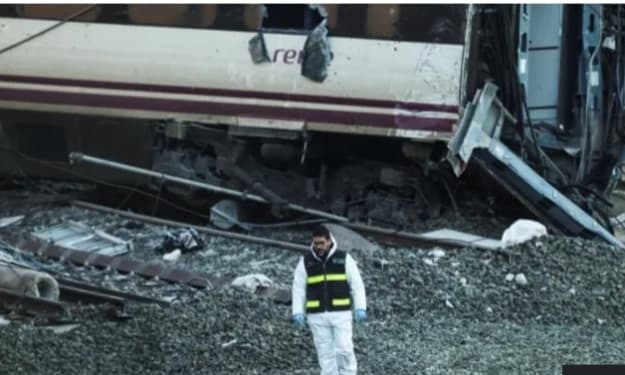
Introduction: A Dark Day for Spanish Railways Spain’s rail network, once hailed as a symbol of modernity and efficiency, is now facing an unprecedented crisis. On [Insert Date], a devastating train crash occurred in the heart of the country, claiming the lives of over [Insert Number] individuals and leaving dozens more injured. The tragic event has sent shockwaves throughout Spain, unraveling years of progress made in the railway sector and igniting a nationwide debate on the safety of rail infrastructure. This incident has not only shaken the families and communities affected but has also left a mark on the psyche of a nation that prided itself on its advanced and robust rail system.
By Ayesha Lasharia day ago in The Swamp
What Is ICE and What Powers Do Its Agents Have to Use Force?
Immigration and Customs Enforcement, commonly known as ICE, is one of the most debated and scrutinized law enforcement agencies in the United States. Frequently appearing in headlines related to immigration enforcement, border security, and public protests, ICE often raises questions about what it does, how it operates, and the authority its agents have to use force. Understanding ICE’s role and legal powers is essential for grasping how immigration law is enforced in the US and where the limits of that enforcement lie.
By Salaar Jamali7 days ago in The Swamp


Comments
There are no comments for this story
Be the first to respond and start the conversation.